





Why Choose a Homestay in Araku?
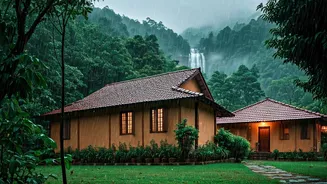
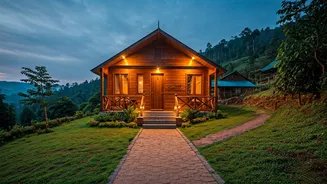
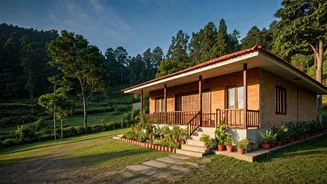
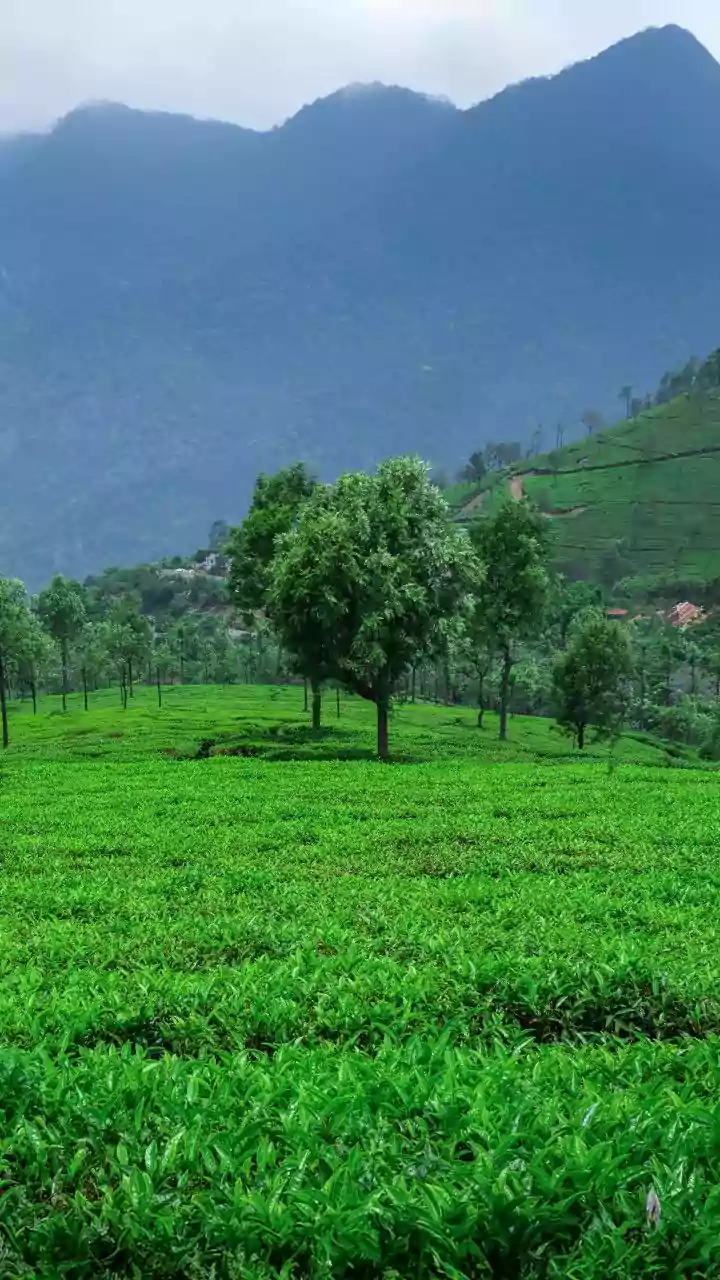
While hotels offer predictability, homestays in Araku Valley provide an experience steeped in local culture and unparalleled peace. Imagine waking up to the aroma of freshly brewed Araku coffee, with a view of a sprawling plantation right outside your
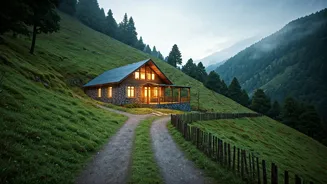
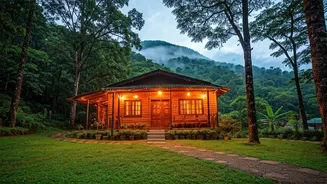
window. This is the reality of a homestay. Unlike commercial establishments, these accommodations are often run by local families who offer a genuine glimpse into their way of life. You’ll get to savour authentic home-cooked meals, often featuring regional ingredients and recipes you won’t find in a restaurant. Hosts are also invaluable sources of local knowledge, guiding you to hidden waterfalls, the best viewpoints for sunset, or the most authentic tribal craft shops. This personal touch transforms a simple holiday into a memorable cultural immersion.
Defining a 'Budget' Stay Without Compromise
The term 'budget' doesn’t have to mean sacrificing comfort or cleanliness. In Araku Valley, a budget-friendly homestay typically falls in the range of ₹1,500 to ₹3,000 per night for a double room. For this price, you can expect a clean, comfortable room with basic amenities like an attached bathroom and fresh linen. What you trade in—like 24/7 room service or a swimming pool—you gain in character and warmth. The value lies in the experience: the quiet environment, the personal interaction with your hosts, and often, the inclusion of a hearty, home-cooked breakfast. When booking, clarify what the tariff includes. Some homestays offer packages with all meals, which can be extremely cost-effective and convenient, given the limited dining options in more remote areas of the valley.
Finding Your Slice of Serenity
The key to securing a peaceful stay is research. Not all homestays are created equal. The first step is location. Use online maps to check if a property is situated away from the main town centre or the busy Araku-Visakhapatnam road, which can get noisy with tourist traffic. Look for places nestled within coffee estates or on quieter village roads. Secondly, dive into recent reviews. Don't just look at the star rating; read what people are saying. Search for keywords like “peaceful,” “quiet,” “serene,” or “tranquil.” Pay attention to comments about the hosts and the overall atmosphere. A responsive and helpful host is often a sign of a well-maintained and welcoming property. Finally, look at the photos carefully. Do they show open spaces, gardens, or balconies with views? These are often indicators of a more restful environment.
The Smart Way to Book Your Homestay
Booking in advance is crucial, especially if you plan to travel during the peak season from October to February, when the weather is pleasant and the valley is at its greenest. The best homestays are often small, with only a few rooms, and they get booked up months ahead. While online travel portals are a good place to start your search, don't hesitate to look for the homestay’s direct contact number. Booking directly can sometimes get you a better deal and allows you to ask specific questions. Inquire about the exact location, meal options, power backup (as power cuts can occur in remote areas), and mobile network coverage. Confirming these details beforehand ensures there are no unpleasant surprises, allowing you to relax and enjoy your hard-earned peace.
Beyond the Balcony: An Authentic Araku Experience
Your homestay is more than just a place to sleep; it's your basecamp for exploring the soul of Araku. Ask your host for recommendations. They can point you to the local Friday market (santhai) where tribal communities sell their produce, or suggest the best time to visit the Borra Caves to avoid the crowds. They might know a small, family-run coffee shop that serves the best brew or a trail that leads to a panoramic viewpoint not listed in any guidebook. This insider access is what elevates your trip. By connecting with your hosts and their environment, you contribute to the local economy in a meaningful way while creating a travel story that is uniquely yours.