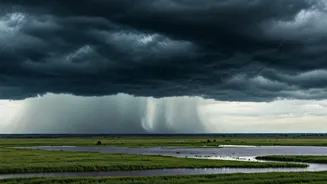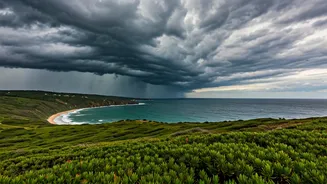




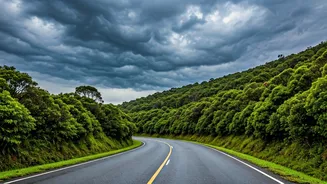



The Skies Have Opened
The India Meteorological Department (IMD) has confirmed that the monsoon is active along India's southwestern coast. In recent days, widespread rainfall has drenched the region, with the IMD issuing alerts for heavy to very heavy downpours. For today,
June 30, an orange alert, signifying very heavy rain, is in effect for several districts, including Kannur and Kasaragod in Kerala. Yellow alerts for heavy rain have been issued for numerous other districts across both states. This intensified spell is driven by multiple weather systems, including cyclonic circulations over the Arabian Sea, which are strengthening the westerly winds blowing moisture onto the coast. Forecasts indicate that these conditions, characterized by persistent rain, thunderstorms, and strong winds, are likely to continue for several more days.
Life in 'Monsoon Mode'
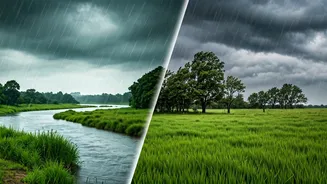
For residents of coastal Kerala and Karnataka, the arrival of the monsoon is an event that reshapes the rhythm of daily life. The relief from the scorching summer heat is palpable. The landscape transforms into a lush, vibrant green, and the cooler, dust-free atmosphere is a welcome change. However, this transition is not without its challenges. The persistent rainfall often leads to waterlogging in low-lying urban areas, causing significant traffic disruptions and testing civic infrastructure. Life slows down, forced indoors by the downpours. Yet, this season also has a unique cultural flavour. It’s a time for specific seasonal foods, for enjoying the sight of rain with a hot cup of chai, and for appreciating the dramatic beauty of the grey, swollen skies.
Official Advisories and Precautions
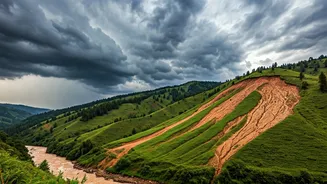
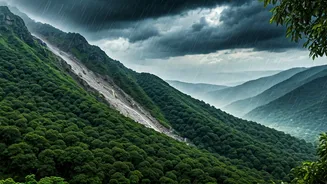
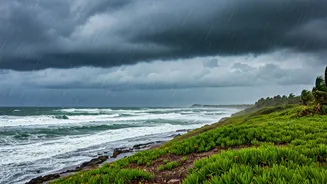
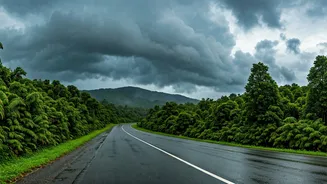
With the increased rainfall, authorities are on high alert. The IMD has warned of squally weather with wind speeds reaching 40-50 kmph, and gusting up to 60 kmph, along the Kerala and Karnataka coasts. Fishermen have been strongly advised not to venture into the sea until conditions improve. State Disaster Management Authorities have activated 24-hour control rooms and are urging residents in vulnerable areas to be vigilant. People living in regions prone to landslides and flash floods, particularly in hilly terrain, are advised to be prepared to move to safer locations if instructed by officials. The heavy rains can reduce visibility and make travel hazardous, while strong winds pose a risk of uprooting trees and damaging power lines.
A Force of Creation and Destruction
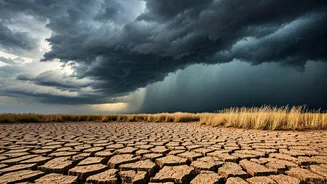
The monsoon is the lifeblood of the region's economy and ecology. These rains are crucial for replenishing reservoirs, recharging groundwater, and ensuring water security for the months ahead. The agricultural sector, which employs a significant portion of the population, is heavily dependent on the monsoon for the cultivation of key crops like rice. A healthy monsoon translates directly into a successful harvest and economic stability. However, this life-giving force has a destructive side. The same rains that nourish the land can also lead to devastating floods and landslides, as witnessed in previous years. The intensity of the rainfall can overwhelm natural and man-made drainage systems, leading to property damage and, in the worst cases, loss of life.