




The Return to Desi Superfoods
In a world saturated with whey protein tubs and complex supplement labels, a quiet revolution is taking place. A growing number of health-conscious individuals are embracing traditional, whole foods that have powered generations. At the forefront of this
trend are two humble yet potent staples: sattu and sprouted legumes. These are not new discoveries but rather a rediscovery of affordable, plant-based nutritional powerhouses that align perfectly with modern fitness goals like muscle building, weight management, and clean eating. Their resurgence is driven by a desire for natural, sustainable, and effective nutrition without the artificial additives or high costs of many commercial products.
Sattu: The Ultimate Plant-Based Fuel
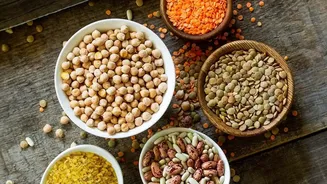
Often called the 'poor man's protein,' sattu is a flour made from roasted Bengal gram (chana). Its nutritional profile, however, is anything but poor. Packing around 20-26 grams of protein per 100 grams, it rivals many popular protein powders. But its benefits go far beyond just protein. Sattu is rich in dietary fibre, which aids digestion and promotes a feeling of fullness, making it a powerful tool for weight management. It also has a low glycemic index, meaning it releases energy slowly and steadily. This prevents the blood sugar spikes and subsequent crashes associated with sugary energy drinks, providing sustained fuel for long workouts. Rich in essential minerals like iron, magnesium, and calcium, sattu supports everything from energy levels to bone health.
How Sattu Powers Muscle Growth and Recovery
For fitness lovers, protein is paramount for repairing and building muscle tissue after exercise. Sattu delivers high-quality, plant-based protein that supports this process effectively. Consuming a sattu-based drink post-workout can help speed up muscle recovery and reduce soreness. The combination of protein and complex carbohydrates helps replenish depleted glycogen stores while providing the amino acids needed for muscle synthesis. Its ability to make you feel full for longer also helps control overall calorie intake, which is crucial for anyone aiming to maintain a lean physique.
Sprouted Legumes: A Living Nutritional Powerhouse
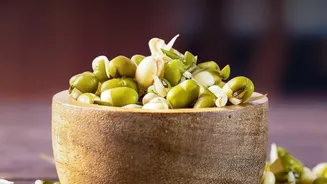
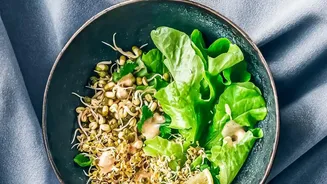
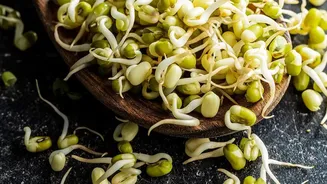
Sprouting is the simple process of germinating legumes like moong, chickpeas, or lentils. This transformation turns them into what can be described as 'living foods.' The sprouting process dramatically enhances their nutritional profile. It breaks down complex proteins into more easily digestible amino acids, increasing the protein's bioavailability. This means your body can absorb and utilize the protein more efficiently for muscle repair. Furthermore, sprouting significantly reduces 'anti-nutrients' like phytic acid, which can hinder the absorption of important minerals like iron, zinc, and calcium. The result is a food that is not only richer in nutrients but also gentler on the digestive system, reducing issues like bloating.
The Fitness Edge of Sprouted Legumes
Sprouted legumes are a fantastic source of plant-based protein, fibre, and essential vitamins. For example, sprouting can increase the vitamin C content of legumes substantially, which is a powerful antioxidant that supports the immune system. For those looking to manage their weight, the high fibre and protein in sprouts provide excellent satiety, helping to control hunger and prevent overeating. They are incredibly low in calories, making them a perfect addition to salads, stir-fries, or as a standalone snack. Including a bowl of mixed sprouts in your daily diet is an easy way to boost your intake of protein, vitamins, and enzymes that support overall health and athletic performance.
Simple Ways to Fuel Your Fitness
Incorporating these superfoods into your diet is simple. Sattu can be consumed as a refreshing drink by mixing it with water, a pinch of salt, and a squeeze of lemon. This makes for an excellent pre- or post-workout hydrator and fuel source. You can also add it to smoothies, use it to make rotis or parathas for a protein-packed meal. Sprouted legumes are incredibly versatile. Toss them into salads for a crunchy texture, lightly stir-fry them with spices for a warm snack, or add them to curries and soups to boost their nutritional value. Many people enjoy eating them raw with a sprinkle of chaat masala and lemon juice.