
The New Festive Spread
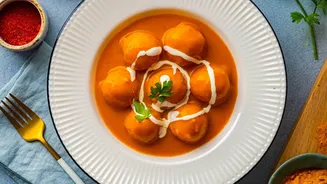
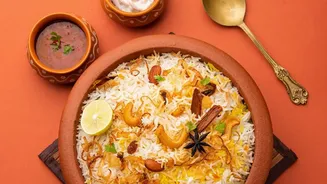
The traditional Indian festive platter is undergoing a quiet, yet delicious, revolution. While timeless classics like biryani, paneer makhani, and motichoor ladoo remain cherished centrepieces, a new wave of creativity is washing over kitchens across
the country. Home cooks and professional chefs alike are weaving international ingredients and techniques into their festive repertoires. Imagine biting into a samosa and finding a savoury filling of spinach and feta cheese, or ending a Diwali meal with a slice of gulab jamun cheesecake. These are not just one-off experiments; they represent a broader trend where the festive menu is becoming a canvas for culinary expression, blending the comfort of tradition with the excitement of the new.
What's Driving the Delicious Change?
Several factors are stirring this pot of innovation. Increased global travel has exposed a generation of Indians to a world of flavours, while the internet and social media have made international food trends and recipes more accessible than ever. Cooking shows and food blogs have demystified global cuisines, empowering home cooks to experiment with ingredients like avocados, quinoa, and artisanal cheeses. There's also a growing desire for personalisation. For many, festivals are about honouring roots while also reflecting their own modern identity. Putting a personal, global spin on a traditional family recipe—like making croissant shahi tukda or badam halwa croissants—is a way to do just that. This shift is also visible in the professional space, with chefs leading the charge in creating refined dishes that thoughtfully incorporate global elements.
Beyond Just Fusion
The term 'fusion' can sometimes suggest a confusing mashup of flavours. However, the current trend is more nuanced. It’s about thoughtful integration rather than just combination. Chefs are using modern techniques like sous-vide to perfect the texture of paneer or incorporating European ingredients like Boursin cheese into an aloo paratha in a way that enhances the dish without overpowering its Indian soul. For example, Chef Ajay Chopra has popularised a Parmesan Naan and even developed a Spanish olive achar, demonstrating how global ingredients can be seamlessly adapted. The goal is not to replace traditional dishes but to expand the definition of what festive food can be. It's an evolution, showcasing a deep respect for both the original recipe and the new elements being introduced.
From Desserts to Savoury Surprises
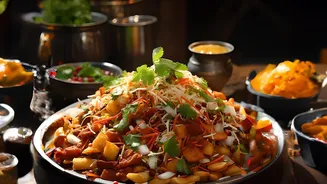
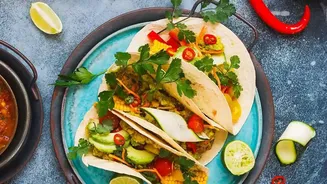
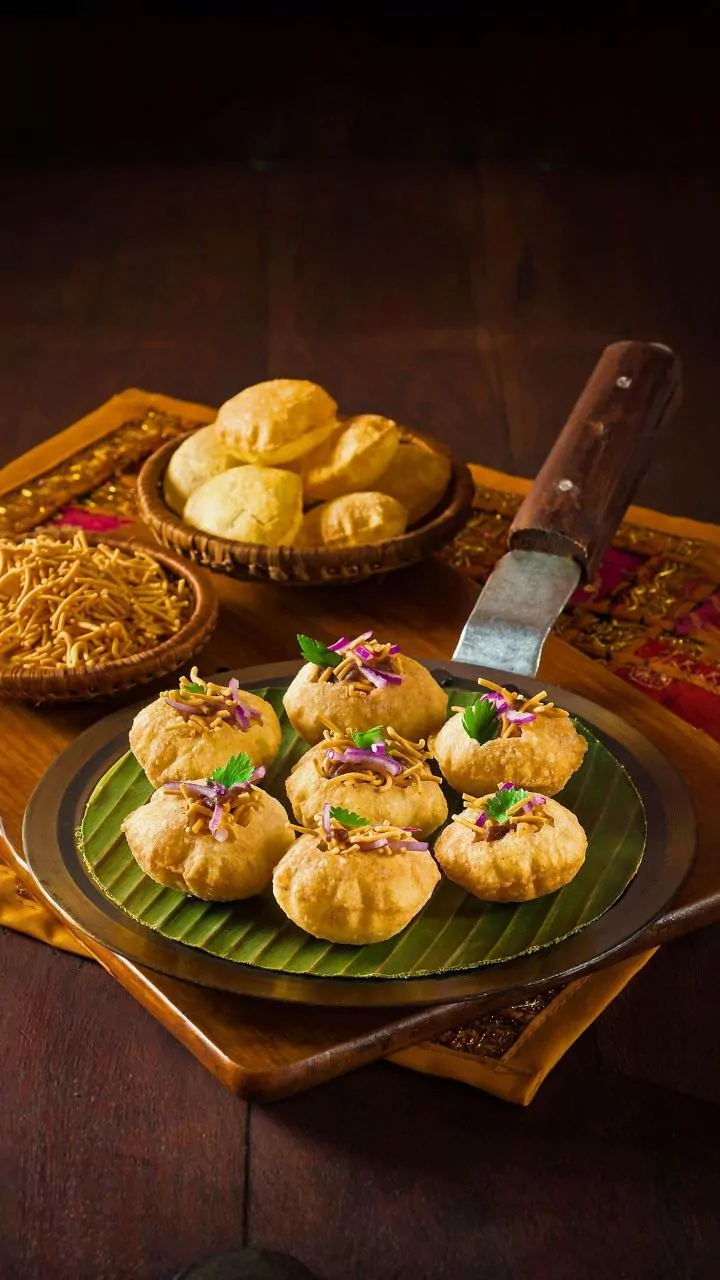
The dessert table has been a playground for this trend for a while, with creations like rasmalai tiramisu, rabri panna cotta, and thandai cheesecake becoming popular. But the innovation now extends across the entire menu. Appetizers are getting a makeover with dishes like masala corn toasties and Mexican papdi chaat. Even main courses are seeing inventive twists, such as veggie tikka masala stuffed shells or paneer bhurji stuffed pasta shells. The essence of a festival meal—richness, generosity, and shared enjoyment—remains intact. The difference is the expanded palette of flavours and textures, offering new and exciting experiences alongside the beloved traditional ones.
A Celebration of a Confident, Global India
Ultimately, this culinary diversification is a reflection of a larger cultural shift. It mirrors a modern India that is deeply connected to its heritage yet confidently engaged with the world. The willingness to experiment with festive food, a cornerstone of Indian culture, signals a culinary self-assurance. It shows that Indian cuisine is not a static museum piece but a living, breathing tradition that is constantly evolving. It’s about celebrating both regional Indian specialities and global flavours on the same table. This blend of local and global is not just about food; it’s about a new kind of cultural storytelling, where every dish narrates a tale of roots, journeys, and a taste for the future.