


Mint (Pudina)
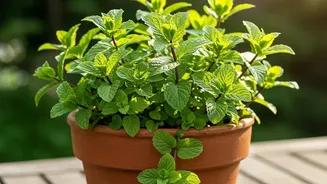
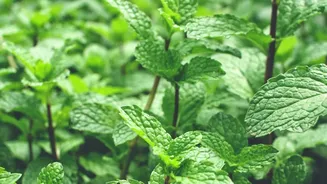
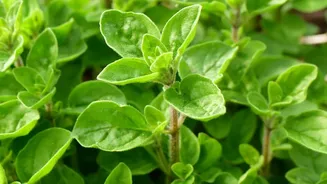
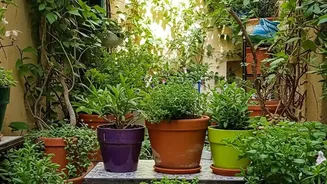
Mint is famously easy to grow, and its resilience makes it perfect for challenging garden spots. It handles hot and humid conditions exceptionally well and actually benefits from partial shade, which can protect it from the harshest afternoon sun. In
fact, mint is one of the most forgiving herbs when it comes to shade. It prefers consistently moist, rich soil. The biggest challenge with mint is its aggressive nature; it sends out runners and can quickly take over a garden bed. To prevent this, it's highly recommended to grow mint in containers. There are many varieties to explore beyond standard spearmint and peppermint, including chocolate mint and apple mint, all of which bring a refreshing aroma and flavour to teas, chutneys, and summer drinks. Regular harvesting will encourage bushier growth and provide you with a constant supply.
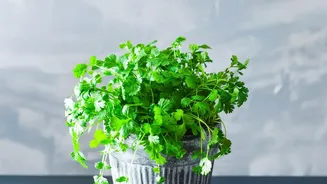
Parsley (Ajamoda)
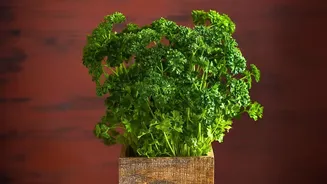
Often seen as a simple garnish, parsley is a hardy and versatile herb that can be grown with ease, even in partial shade. While it can tolerate full sun, it often appreciates some shade, especially in warmer climates, to prevent its leaves from becoming bitter. There are two main types: curly-leaved and flat-leaved, with the flat-leaf variety generally offering a stronger flavour. Parsley thrives in moist, well-drained soil and is an excellent candidate for container gardening, making it suitable for balconies and small spaces. It's technically a biennial, meaning it grows leaves in its first year and flowers in its second. For a continuous supply of fresh leaves for your salads, soups, and marinades, it's best to sow new seeds each year.
Lemon Balm (Melissa)
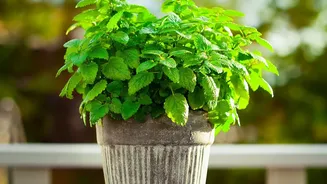
A member of the mint family, lemon balm shares many of its cousin's best traits, including a vigorous growth habit and a tolerance for a range of conditions. It is particularly happy in damp, partially shaded environments. In fact, growing it in partial shade in hot, humid climates can result in larger, more luscious leaves. This herb is prized for its pleasant, citrusy aroma and is a favourite for making calming herbal teas, flavouring water, and adding a bright note to salads and desserts. Like mint, it can spread enthusiastically, so planting it in a pot or a contained area is a wise strategy to keep it in check. It’s an easy-to-care-for plant that rewards the gardener with a delightful fragrance and a versatile culinary ingredient.
Ginger (Adrak)
While technically a rhizome, ginger is grown in home gardens much like an herb and is perfectly suited to the conditions of humidity and partial shade. As a tropical plant, it thrives in warm, humid climates. It prefers bright, indirect light or partial shade rather than direct, scorching sun. Ginger needs rich, well-drained soil to prosper and prevent the rhizomes from rotting. Growing ginger in large pots is an excellent option, giving you control over the soil and moisture levels. You can start your own plant from a plump, firm piece of fresh ginger from the grocery store. Plant a piece a few inches deep, and with consistent moisture, it will sprout into a tall, leafy plant. After about 8-10 months, you can harvest your own fresh, pungent ginger for curries, teas, and stir-fries.
Turmeric (Haldi)
Similar to its cousin ginger, turmeric is another tropical rhizome that excels in warm, humid conditions and can be grown in partial shade. Native to Southern Asia, it is well-adapted to the Indian climate. Turmeric plants like moist, well-drained soil and will appreciate some protection from the intense afternoon sun. Like ginger, it can be easily grown in large containers, which is ideal for managing its environment. The plant produces beautiful leaves and flowers, adding an ornamental touch to your garden. The underground rhizomes, with their vibrant golden-yellow colour, can be harvested when the leaves of the plant begin to die back in the autumn. Growing your own means having a supply of fresh turmeric, which offers a more complex flavour than its dried counterpart.