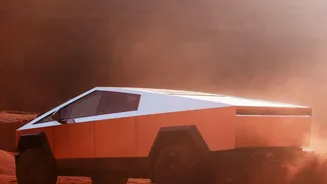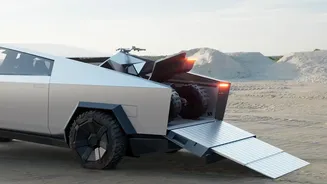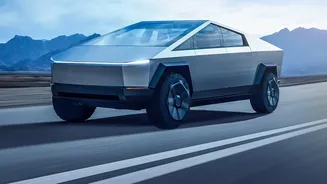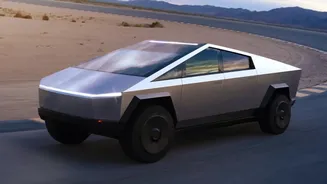


Tesla's futuristic Cybertruck faces another production update, with the schedule now officially extending into summer 2027. This latest development follows a whirlwind week of announcements and raises fresh questions about the vehicle's future.
A Sudden Reprieve for the Cybertruck
Just days
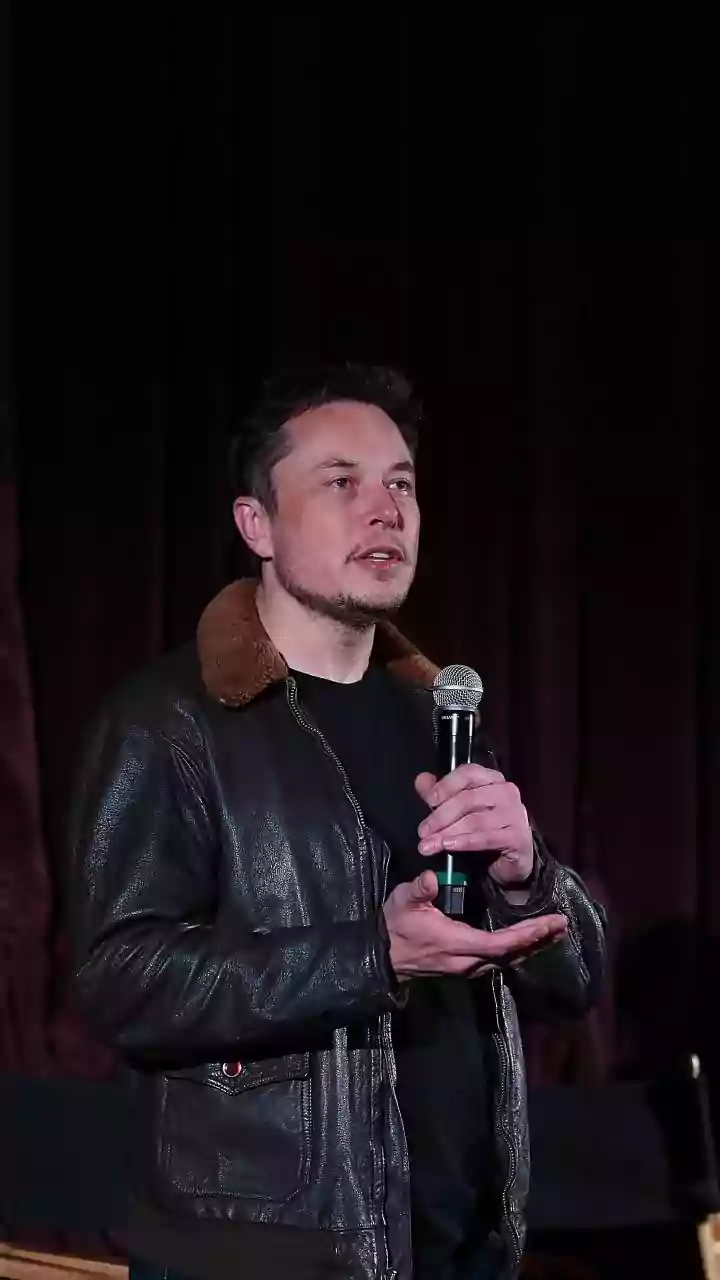
after announcing that Cybertruck production would be wound down by mid-2027 to make way for the company's Cybercab robotaxi project, Tesla CEO Elon Musk has reversed course slightly. In a post on the social media platform X, Musk stated that production will now continue 'through the end of summer 2027' to help clear more of the extensive order backlog. This extension provides a few extra months for the controversial electric pickup, a decision Musk admitted was not the 'smartest move from a profit-maximizing standpoint' but was driven by sentimentality. The initial news of the production wind-down had sparked significant backlash from customers and fans, many of whom have had deposits on the truck for years.
The Challenge of 'Production Hell'
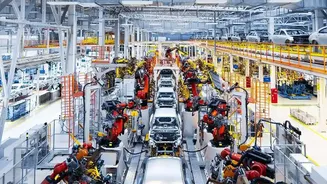
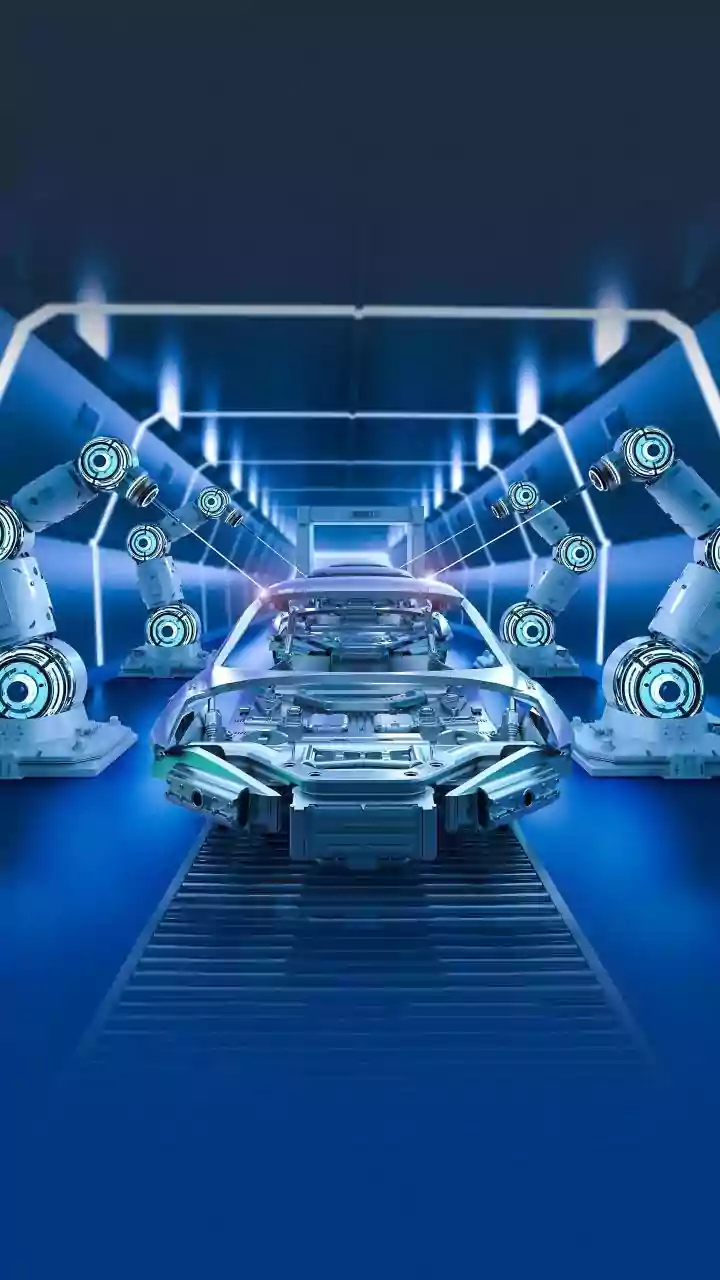
The Cybertruck has been a monumental manufacturing challenge since its reveal in 2019. Musk himself has admitted that Tesla 'dug its own grave' with the vehicle's radical design. The truck's exoskeleton, made of an ultrahard stainless-steel alloy, has been incredibly difficult to form and weld at scale, leading to what Musk has called 'production hell'. This complexity is a key reason why Tesla is shifting focus; the company believes the resources and factory space consumed by the Cybertruck are better allocated to the less complex, and potentially more profitable, Cybercab. The vehicle has also been plagued by numerous quality control issues and recalls, from trim pieces detaching to accelerator pedal problems, further complicating its path to mass production.
What This Means for Reservation Holders
For the more than one million people who reportedly placed pre-orders, the situation remains uncertain. Even with the extension, Musk has stated that Tesla will 'have to return deposits for a lot of people' because the order rate far exceeds the company's production capacity in the remaining time. To streamline the final production run, Tesla has already simplified its offerings, discontinuing lower-priced trims and focusing solely on the top-tier 'Cyberbeast' model. This means many who placed orders for the originally advertised, more affordable versions of the truck may not receive their vehicle. The extension offers a glimmer of hope for some, but a refund seems the likely outcome for many long-waiting customers.
A Crowded and Challenging Market
When the Cybertruck was announced in 2019, it was a pioneer. Now, it exists in a crowded and difficult market for electric pickups. Competitors like Ford with its F-150 Lightning and Rivian with its R1T have already established a presence. However, the entire segment has struggled. High prices, driven by expensive batteries, and lower than expected towing and hauling capabilities have dampened broad consumer demand for large electric trucks. Analysts note that while the Cybertruck has been seen as a sales disappointment relative to Musk's initial projections of 250,000 units per year, its rivals have also failed to capture the market as hoped. In a sense, Tesla is winding down a product in a category that has yet to prove its mainstream viability.