








The Peak-Season Performance
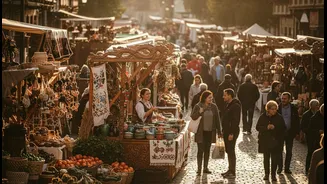
Picture this: you’ve finally arrived at that iconic landmark you’ve dreamed of seeing. The only problem is, so have thousands of other people. The experience becomes less about quiet appreciation and more about navigating a sea of bodies, waiting in line
for a fleeting glimpse or the perfect photo. This is the reality of peak-season travel. Destinations can feel like they are performing for tourists, with rehearsed greetings, menus translated into five languages, and experiences that feel packaged rather than genuine. This isn't the fault of the destination itself; it's a natural consequence of overwhelming demand concentrated into a few short months. The result is often a feeling of disconnect, where you see the sights but miss the soul of the place.
The Sweet Spot: What Is Shoulder Season?
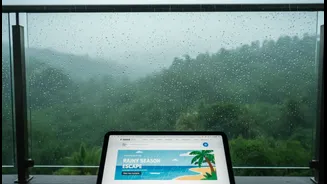
Shoulder season is the travel industry's term for the period between a destination's frantic peak season and its quiet off-season. Think of it as the sweet spot just before or after the main rush. For many destinations in the Northern Hemisphere, this means spring (April-May) and autumn (September-October). However, the exact timing varies everywhere. For a ski resort, the shoulder season might be just after the holidays or in early spring. For a tropical paradise, it could be the weeks before the monsoon arrives. It’s the time when most attractions, restaurants, and transport links are still fully operational, but the crowds have started to thin, and a sense of calm returns.
Trading the Show for Authenticity
This is where the real magic happens. When you travel during the shoulder season, the performance stops. With fewer tourists to cater to, the rhythm of daily life becomes more visible. You’re more likely to have genuine interactions with locals who aren’t overwhelmed by peak-season demands. That cafe owner might have time for a chat; you might be the only non-locals in a neighbourhood restaurant. The experience shifts from being a spectator to being a welcome guest. Museums feel more intimate, historical sites become places of quiet reflection, and local festivals feel like they are for the community, not just for tourists. This is when a destination reveals its true character.
More Than Just Good Vibes
The benefits of shoulder-season travel extend beyond a more authentic experience. One of the most significant advantages is the cost. With lower demand, prices for flights, hotels, and even tours can be considerably cheaper. This can free up your budget for more experiences or a longer stay. The weather is often another perk. You can avoid the sweltering heat of summer or the biting cold of winter, enjoying milder temperatures that are perfect for exploring on foot. Fewer crowds also mean shorter queues for attractions, less stress, and more spontaneity in your itinerary. It’s a calmer, more relaxed way to travel.
Where to Find Your Perfect Shoulder Season
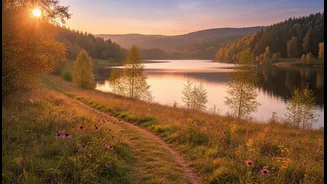
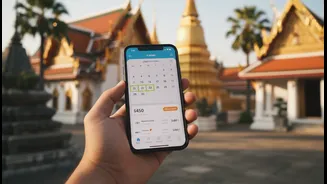
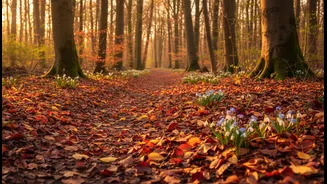
Almost every destination has a rewarding shoulder season. In Southern Europe, places like Greece or Italy are sublime in September and October, when the sea is still warm but the beaches are quieter. In Southeast Asia, you might target the months just before or after the main monsoon season for lush landscapes without the downpours. Even within India, travelling to mountain regions just before the peak summer rush or after the monsoon can offer stunning scenery and pleasant weather. For North American adventures, national parks in September and November offer vibrant autumn colours and empty trails long after the summer crowds have departed.