






The Great Unbundling
Airlines, especially low-cost carriers, have mastered the art of 'unbundling' fares. This means the initial price covers just your seat—getting you from Point A to Point B—and little else. Everything that used to be standard, such as checked luggage,
a hot meal, or even the ability to choose your seat, is now an optional extra you have to pay for. This model allows carriers to advertise very low initial prices to attract price-sensitive customers. While this offers flexibility for those who travel light and need no frills, it can create frustrating and costly surprises for those who aren't prepared. The key is to shift your mindset from looking at the base fare to calculating the 'total trip cost'.
The Baggage Fee Trap
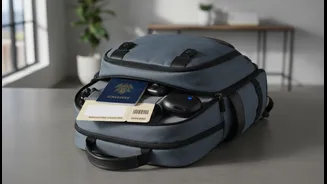
Baggage fees are one of the most common and significant extra costs. A seemingly cheap ticket can become expensive once you add a checked bag. Budget airlines in India and abroad are particularly strict, often charging high fees for checked luggage and even for carry-on bags that exceed their specific size or weight limits. These fees are almost always higher if you wait to pay them at the airport. In contrast, full-service carriers often include at least one checked bag in their standard economy fares. Recently, some Indian airlines like IndiGo and Air India Express have introduced 'Lite' or 'Basic' fares that only include cabin baggage, making tickets cheaper for those who can pack light but creating a new calculation for everyone else. Before booking, always check the airline's baggage allowance and fees, and consider whether paying for a higher fare that includes a bag is actually cheaper than adding it separately.
To Eat or Not to Eat?
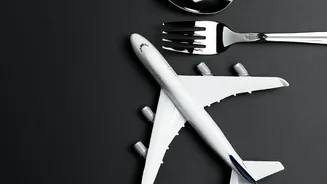
On flights longer than a couple of hours, a meal can make a big difference. Full-service carriers like Vistara and, traditionally, Air India include a complimentary meal in the ticket price. However, this is changing. Air India recently introduced a 'Basic' fare on some domestic routes that excludes the meal, offering a lower price point. On low-cost carriers, you will always have to pay for food and drinks. While convenient, these buy-on-board meals can be pricey for what you get. If you're on a three-hour flight, the ₹1000 or more you might spend on a sandwich and a drink for two people could easily erase the savings you made by choosing a budget ticket over a full-service one that had food included.
The High Cost of Inflexibility
Plans change, but basic, low-cost airline tickets often don't. The cheapest fares are typically the least flexible, coming with high fees for any changes to your date or time, if changes are allowed at all. Many basic economy tickets are fully non-refundable and non-changeable after the initial 24-hour booking window. If you have to cancel, you may only receive a credit, not a cash refund, and it often comes with an expiry date. Conversely, more expensive 'Flex' fares offered by many airlines allow for changes with no fees (though you'll still have to pay any fare difference). This flexibility can be worth the upfront cost, providing peace of mind that a sudden change of plans won't force you to lose the entire value of your ticket.
Rethinking Your Priorities
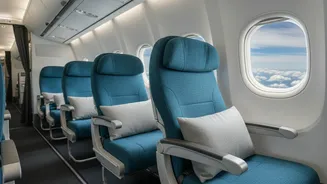
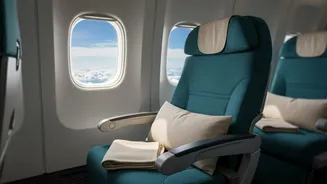
So where does a wider seat fit in? While comfort is important, especially on longer flights, its value can be overstated compared to these other factors. What good is a slightly more comfortable seat if you’re stressed about your baggage fitting the sizer, hungry because you didn't want to pay for a snack, and worried that you can't change your flight if needed? A ticket on a full-service carrier might seem more expensive initially, but once you factor in a 15-20 kg baggage allowance, a hot meal, and more flexible change rules, the value proposition can look very different. The ultimate goal is to find the best overall value for your specific trip, not just the lowest number on the search results page.