






Declutter and Create Space
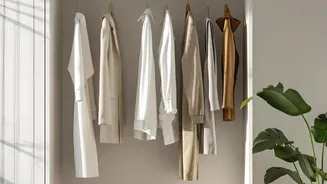
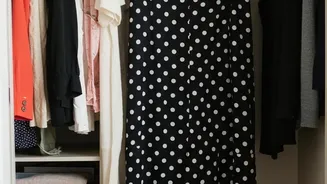
The first step to a moisture-free wardrobe is to create space for air to circulate. Overcrowded cupboards trap humidity, which is a primary cause of mildew and musty odours. Begin by taking out clothes you won't be wearing during the rainy season, like
heavy silks or occasion wear. Store these items in breathable cotton bags, never plastic, as plastic traps moisture against the fabric. Ensure daily-wear clothes aren't packed too tightly on shelves or hangers; giving them room to breathe is crucial for keeping them dry and fresh.
Harness Natural Moisture Absorbers
You don't need expensive gadgets to combat dampness. Many effective solutions are likely already in your kitchen. Placing a bag of rock salt or a bowl of baking soda in your wardrobe can work wonders. Both are excellent at absorbing ambient moisture. Another powerful and readily available option is activated charcoal, which not only soaks up moisture but also neutralises odours. You can place charcoal pieces or powder in breathable mesh bags and tuck them into the corners of your shelves. Remember to replace these natural absorbers every few weeks as they become saturated.
Embrace Traditional Indian Remedies
For generations, Indian households have relied on natural repellents to protect clothes. Dried neem leaves are a time-tested solution; their antifungal and anti-pest properties help keep microbes and insects at bay. Simply place a handful in a corner of the wardrobe. Camphor is another fantastic traditional option. It acts as a natural dehumidifier and leaves behind a pleasant, clean scent, unlike chemical-based naphthalene balls which can leave a strong odour. You can hang small muslin bags filled with camphor tablets or place them between folded clothes to protect them.
Utilise Silica Gel Packets
Those little packets you find in new shoe boxes or with electronics are there for a reason. Silica gel is a highly effective desiccant, meaning it absorbs and holds water vapour. Instead of throwing them away, collect them and place them in your wardrobes, drawers, and storage bags. They are particularly useful for protecting expensive leather goods and embroidered garments. For a more robust solution, you can purchase larger silica gel packs or even create your own DIY versions using cotton pouches. They can often be 'recharged' by drying them out in the sun on a clear day, making them a reusable option.
Ensure Garments Are Completely Dry
This may seem obvious, but it's the most common mistake leading to damp wardrobes. Even slightly damp clothes can create a humid environment perfect for mould growth. During the monsoon, when sun-drying isn't always possible, ensure clothes are dried thoroughly indoors. Use a fan to increase air circulation around your drying rack and allow extra time. Pay special attention to thicker parts of garments like collars, cuffs, and waistbands. Once dry, ironing your clothes can help remove any last trace of lingering moisture before you store them.
Maintain and Ventilate Your Wardrobe
Regular maintenance is key. Once a week, try to leave your wardrobe doors open for a few hours to allow air to circulate freely. If a cupboard is placed against an external wall, which can be prone to dampness, try to leave a small gap between the wall and the furniture to prevent moisture transfer. Wiping down the interior shelves with a dry cloth periodically also helps remove any settled dust or potential mould spores. Some experts even suggest installing a low-wattage bulb inside the wardrobe, as the gentle warmth can help keep the enclosed space dry and discourage mildew.