






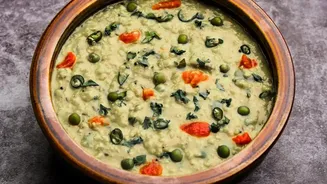
In the quest for a healthier diet, we often look for the next superfood, sometimes forgetting the nutritional powerhouses in our own kitchens. Saag, a beloved staple of Indian cuisine, is more than just comfort food—it's a fibre-packed hero.
Beyond Spinach: What Is Saag?
When many
people hear 'saag,' they often think of spinach. While spinach (palak) is a common ingredient, the term 'saag' actually refers to a wide variety of leafy green preparations from the Indian subcontinent. Traditionally, the most famous version, 'sarson ka saag,' is made from mustard greens (sarson) and is a winter delicacy in Punjab. However, saag can be made from a mix of greens, including chenopodium (bathua), fenugreek (methi), radish leaves, and more. These greens are slow-cooked with ginger, garlic, onions, and spices until they become a creamy, flavourful purée, often served with maize-flour flatbread (makki ki roti).
Fibre: The Unsung Hero of Nutrition
Dietary fibre is a type of carbohydrate that our bodies can't fully digest, and it plays a crucial role in our health. There are two main types: soluble and insoluble fibre. Soluble fibre dissolves in water to form a gel-like substance, which can help slow down digestion, regulate blood sugar levels, and lower cholesterol. Insoluble fibre adds bulk to stool, promoting regular bowel movements and preventing constipation. A high-fibre diet keeps you feeling full and satisfied, which can aid in weight management. Experts recommend that adults consume between 25 to 38 grams of fibre daily, but many diets fall short.
Saag's Powerful Fibre Contribution
Leafy green vegetables are nutritional champions, and they form the very foundation of saag. Mustard greens, the star of many saag recipes, are an excellent source of fibre. A 100-gram serving of raw mustard greens contains around 2.8 to 3.2 grams of fibre. When combined with other greens like spinach and bathua, a single serving of saag can make a significant contribution to your daily fibre needs. This fibre content is why a meal of saag feels so hearty and sustaining. It supports digestive health, promotes a healthy gut microbiome, and helps create a feeling of fullness that prevents overeating.
A Treasure Trove of Vitamins and Minerals
The benefits of saag extend far beyond fibre. Mustard greens and spinach are loaded with essential nutrients. They are exceptionally rich in Vitamin K, which is vital for bone health and blood clotting. They also provide a significant amount of Vitamin A, crucial for vision and immune function, and Vitamin C, a powerful antioxidant. Furthermore, saag is a good plant-based source of minerals like iron, calcium, potassium, and folate. This impressive nutrient profile makes it a fantastic dish for overall health, supporting everything from your immune system to your heart health.
Maximising the Health Benefits
How you prepare and cook saag can influence its nutritional value. While cooking can reduce the levels of some water - soluble vitamins like Vitamin C, it can also make other nutrients more available. For example, cooking breaks down the tough cell walls of greens, which may make minerals like calcium and iron easier for the body to absorb. To get the most out of your saag, it's best to steam or pressure cook the greens rather than boiling them in a large amount of water, which can cause nutrients to leach out. Traditional preparations often include a generous amount of ghee or butter. While these add flavour, using them in moderation will keep the dish low in calories and fat, making it an excellent choice for weight management.