







More Than Just a Dog Biscuit
Forget the dusty box of generic, bone-shaped biscuits. A new kind of storefront is popping up in major American cities, from New York to Los Angeles: the pet bakery. These aren't just pet stores with a treat section; they are full-fledged bakeries modeled
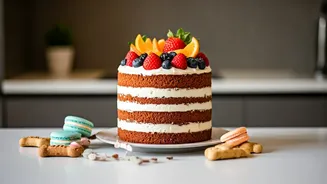
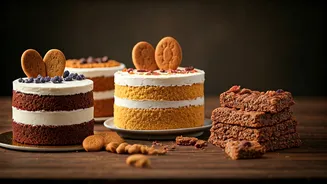
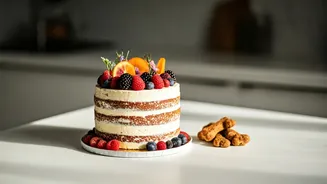
after their human counterparts, complete with display cases, custom order forms, and the tantalizing smell of fresh-baked goods. The key difference? The clientele has four legs. These establishments specialize in high-end, often organic, and visually stunning treats designed for dogs (and sometimes cats). Think beautifully decorated birthday cakes, artisanal “dognuts,” and frosted cookies shaped like squirrels and fire hydrants. The rise of these bakeries signifies a major shift in the pet industry, moving beyond basic needs and into the realm of luxury, celebration, and premium lifestyle experiences.
The Four-Legged Family Member
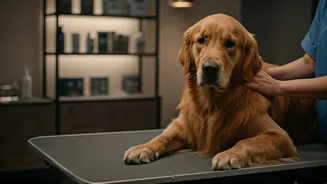
So, why would anyone buy a $40 birthday cake for a dog that can’t blow out the candles? The answer lies in a deep cultural shift known as the “humanization of pets.” For a growing number of Americans, particularly Millennials and Gen Z, pets aren't just animals; they are cherished members of the family. This emotional bond has powerful economic consequences. According to the American Pet Products Association, Americans spend tens of billions of dollars on their pets annually, with a significant and growing portion dedicated to premium food, treats, and wellness products. When a pet is viewed as a child or a best friend, celebrating milestones like birthdays or “gotcha days” with the same fanfare as human celebrations feels natural. A custom cake from a pet bakery becomes more than just a treat—it's a tangible expression of love and a centerpiece for a shareable social media moment. It’s an acknowledgment that this animal’s life is worthy of the same joy and ceremony we afford anyone else we love.
What's on the Menu?
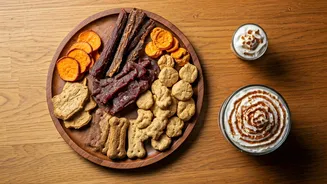
Step inside one of these bakeries, and you'll find a menu that mirrors contemporary human health trends. The emphasis is on high-quality, safe, and often organic ingredients. You won't see refined sugar, chocolate, or other substances harmful to dogs. Instead, recipes are built around ingredients like whole wheat or grain-free flours (such as oat or chickpea flour), pumpkin, carrots, peanut butter (without xylitol), and carob as a chocolate substitute. The “frosting” is typically made from yogurt, cream cheese, or mashed potatoes, often colored with natural food dyes derived from beet or turmeric. This focus on “human-grade” ingredients provides peace of mind for owners who are increasingly skeptical of mass-produced pet foods and concerned about potential allergens or digestive issues. The curated aspect means that many bakeries also offer consultations to accommodate pets with specific dietary restrictions, creating gluten-free, dairy-free, or protein-specific treats.
From Coast to Coast
This trend isn't confined to a single market. In New York City, bakeries like Maison de Pawz offer chic, Parisian-themed treats that look like they belong in a high-end patisserie. On the West Coast, The Dog Bakery in Los Angeles has been serving pup-friendly birthday cakes and “pupcakes” for years, becoming a local institution for pet parents. In Chicago, places like Tails in the City provide a boutique experience with gourmet cookies and celebration treats. These specialized shops are becoming destination spots, creating a sense of community among local pet owners. They host yappy hours, partner with local shelters for adoption events, and serve as a physical hub for a digitally connected generation of pet lovers. They are the brick-and-mortar manifestation of the #dogsofinstagram culture, providing the perfect prop for a celebratory photo shoot that will be liked and shared by hundreds.