






A Powerhouse of Gut-Friendly Fibre
One of the biggest advantages of millets is their high fibre content. They are rich in both soluble and insoluble fibre, which work together to keep your digestive system running smoothly. Insoluble fibre acts like a broom, adding bulk to stool and promoting
regular bowel movements, which helps prevent constipation. Soluble fibre dissolves to form a gel-like substance, slowing down digestion which helps in better nutrient absorption. This combination ensures your gut stays clean and efficient.
Feeding Your Good Gut Bacteria
Beyond just regularity, the fibre in millets plays a crucial role as a prebiotic. Prebiotics are essentially food for the beneficial bacteria, or probiotics, that live in your gut. When these good bacteria are well-fed, they thrive, creating a balanced and healthy gut microbiome. A flourishing gut microbiome is essential not just for digestion but also for a strong immune system and even mental well-being. By eating millets, you are actively nourishing the trillions of microbes that work to keep you healthy.
The Secret to Steady, All-Day Energy
If you often experience an energy slump in the afternoon, millets could be the solution. Unlike refined grains like white rice or wheat flour that cause quick blood sugar spikes and subsequent crashes, millets have a low glycemic index (GI). This means they are digested and absorbed slowly, leading to a gradual and steady release of glucose into the bloodstream. This slow release provides sustained energy, preventing those sharp peaks and dips, and keeping you feeling active and alert throughout the day.
Rich in Essential Nutrients
Millets are not just about fibre and carbs; they are packed with essential vitamins and minerals that contribute to energy and overall health. They are a good source of magnesium, which is crucial for energy production and muscle function, as well as B vitamins that help your body convert food into fuel. Many varieties are also rich in iron, which supports blood circulation and helps combat fatigue. This impressive nutrient profile makes millets a true superfood for vitality.
Easy Ways to Add Millets to Your Diet
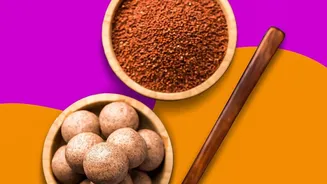
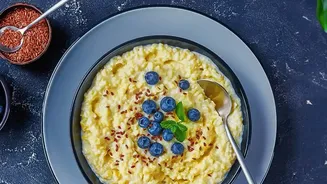
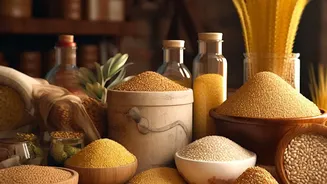
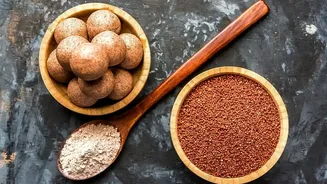
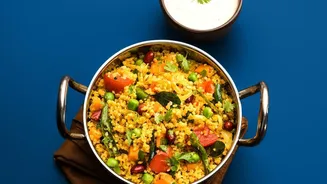
Incorporating millets into your daily meals is simpler than you might think. You can start by making small swaps. Try replacing white rice with foxtail millet or barnyard millet in dishes like pulao or curd rice. You can also mix millet flours like ragi (finger millet) or jowar (sorghum) with your regular wheat atta to make rotis. A warm bowl of millet porridge for breakfast is another excellent way to begin your day with a nutrient-dense meal. Experiment with different types like bajra (pearl millet) and kodo millet to find the tastes and textures you enjoy most.