





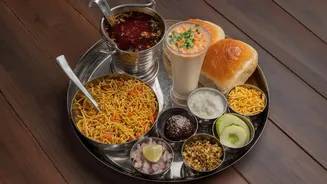


The Allure of the Authentic Meal
The rise of culinary tourism is no surprise; travellers increasingly build their itineraries around food. More than just satisfying hunger, a meal can tell a story that a monument cannot. Every dish is a reflection of a place's history, geography, and
traditions passed down through generations. Think of how regional ingredients and climate shape recipes — from coastal seafood stews to hearty mountain fare using preserved goods. This desire for genuine connection is powerful, but it has also created a market for experiences that feel more like a performance than a real cultural exchange.
When Culture Becomes a Performance
A 'staged novelty' is an experience packaged for tourists that often simplifies or misrepresents a culture for profit. The signs are often easy to spot: restaurants with staff outside trying to lure you in, menus translated into half a dozen languages with glossy photos, or an over-the-top decor that feels more like a theme park. These places are designed for high turnover, not for showcasing genuine culinary heritage. While they offer a meal, they rarely offer real insight. The food is often generic, disconnected from the seasons, and lacks the soul that defines a region's cuisine.
Food as a Living Narrative
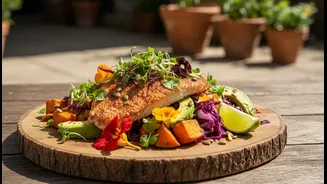
Truly local food is a living story. It’s not just about the final dish; it's about the entire ecosystem behind it. UNESCO has even recognized many food traditions, like traditional Mexican cuisine and the Mediterranean diet, as part of our Intangible Cultural Heritage because they preserve knowledge and social practices. In India, food is deeply intertwined with culture, from Ayurvedic principles that view food as medicine to festival-specific dishes that reinforce community bonds. A simple Rajasthani meal tells a tale of a dry climate through its preservation techniques, while Awadhi cuisine speaks of royal history and refined slow-cooking methods. Each bite carries context.
From Observer to Participant
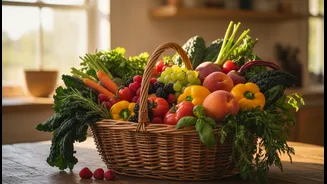
The key to finding authenticity is to shift from being a passive consumer to an active and respectful participant. This means asking questions and showing genuine curiosity. Instead of just asking "what should I eat?", try asking "what does this meal explain?". The best way to avoid tourist traps is to do what the locals do. Visit the neighbourhood markets, see what's in season, and don't be afraid to eat at a place that doesn't have an English menu. Taking a cooking class with a local host or timing your travel with a food festival can also offer deeper insights and create more meaningful connections. These actions transform a meal from a simple transaction into a memorable cultural exchange.