

More Than Just a Condiment
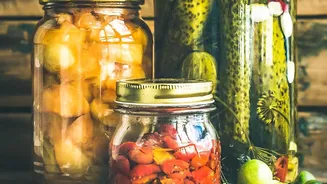
In the vibrant tapestry of Indian cuisine, the humble 'achaar' holds a place of profound significance. For centuries, it has been more than a mere side dish; it's a culinary ritual, a method of preserving seasonal abundance, and a taste of home passed
down through generations. The practice of pickling in India is ancient, with some accounts tracing it back over 4,000 years. It was born from a practical need: to preserve fruits and vegetables through harsh seasons and for long journeys, using salt, spices, and the transformative power of the sun. Each region developed its own unique methods and flavour profiles, creating an incredible diversity of pickles, from the fiery 'Aam ka Achaar' of the North to the tangy 'Avakaya' of the South. These pickles were not just about flavour; they were an integral part of the meal, believed to aid digestion and add essential nutrients.
The Liquid Gold: Indigenous Oils
The soul of a traditional Indian pickle lies in its choice of oil. This is not the place for neutral, refined oils. Instead, ancient recipes call for robust, unrefined indigenous oils that are as much a flavouring agent as they are a preservative. In North and East India, cold-pressed mustard oil is king. Its pungent, sharp character is iconic, lending a distinctive 'zing' that defines classics like Punjabi mango pickle and Bengali 'kasundi'. This oil isn't just for taste; it contains natural antimicrobial compounds, like allyl isothiocyanate, which actively inhibit the growth of bacteria and mould, ensuring the pickle lasts for months. Head south, and sesame oil (also known as gingelly or til oil) takes precedence. With its milder, nutty profile, it provides a perfect backdrop for the bold spices of Andhra's 'Avakaya' or Tamil Nadu's lemon 'urukai', allowing the flavour of the main ingredient to shine. In other regions, groundnut or even coconut oil might be used, each contributing to a unique local taste identity.
An Ancient Art of Fermentation
Unlike many mass-produced pickles that rely on vinegar for a quick sour taste, traditional Indian pickles are often products of natural fermentation. When fruits or vegetables are mixed with salt and left to cure in the sun, beneficial lactic acid bacteria get to work. This slow process, which can take days or weeks, not only develops deep, complex flavours but also transforms the pickle into a probiotic-rich food. These 'good' bacteria are known to support a healthy gut microbiome, which can improve digestion and boost overall immunity. The spices used also play a crucial role. Ingredients like turmeric, fenugreek (methi), asafoetida (hing), and mustard seeds are not just for flavour; they possess anti-inflammatory and digestive properties that have been celebrated in Ayurveda for centuries.
Reclaiming Lost Flavours
In a world of fast food and homogenised tastes, these regional pickles offer a direct link to India's rich biodiversity and culinary heritage. Consider the 'Lal Mirch ka Achaar' from Rajasthan, where large red chillies are stuffed with a fragrant spice mix and steeped in mustard oil. Or the unique bamboo shoot pickle from the Northeast, a delicacy from states like Nagaland and Assam, showcasing ingredients tied to the forest. From Andhra Pradesh comes the beloved 'Gongura' pickle, made from tangy sorrel leaves, while Gujarat offers the sweet and spicy grated mango 'Chhundo'. Each jar tells a story of a specific place, its climate, and its people. By seeking them out, we move beyond the standard mango pickle and discover a universe of flavours.
Bringing Achaar to the Daily Table
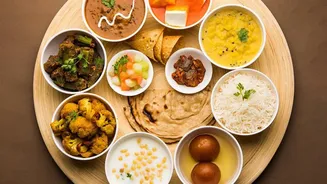
Integrating these flavour bombs into your daily diet is easier than you think. While they are a perfect companion to a simple meal of dal and rice, their use shouldn't stop there. A spoonful of spicy mango or lemon pickle can liven up a sandwich or wrap, replacing sugary sauces. A dollop of garlic pickle can be stirred into yoghurt to create a punchy dip for vegetables or parathas. Even the flavour-infused oil itself is a culinary treasure, perfect for drizzling over a finished dish or using as a base for a quick stir-fry. In an age where we crave authenticity and wellness, turning to these ancient pickles is a step in the right direction. They are a testament to the wisdom of our grandmothers, who knew that good food could be both delicious and nourishing.