


The Nutritional Case for Millets
For generations, ragi (finger millet) and jowar (sorghum) were staples in Indian kitchens before refined wheat and maida became common. Their comeback is fuelled by a desire for more nourishing foods. These grains are naturally gluten-free and packed
with nutrients. Ragi is a fantastic source of calcium and iron, essential for bone health and preventing anaemia. Jowar is celebrated for its high fibre content, which aids digestion and promotes a feeling of fullness, helping with weight management. Both grains have a lower glycemic index compared to refined flours, meaning they release sugar into the bloodstream more slowly. This makes them a smarter choice for managing blood sugar levels while still enjoying festive treats.
Getting to Know Your Grains
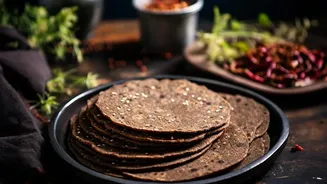
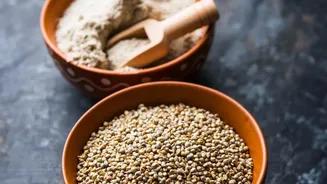
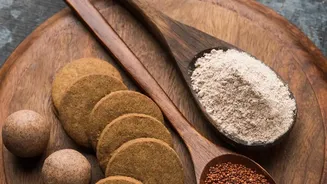
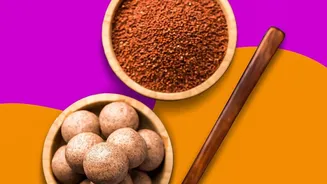
Before you start cooking, it helps to understand the unique characteristics of these flours. Ragi flour has a deep, earthy flavour and a dense texture. Its dark colour will naturally change the appearance of your sweets, lending them a rich, rustic look. Jowar flour, on the other hand, is milder and lighter in colour, with a slightly nutty taste. Both flours are highly absorbent, so you might need to adjust the amount of liquid (like milk or water) or fat (like ghee) in your recipes. When substituting, it's often best to start by replacing a portion—say, 25-30%—of the regular flour with a millet flour to get used to the taste and texture.
Classic Mithai, Reimagined
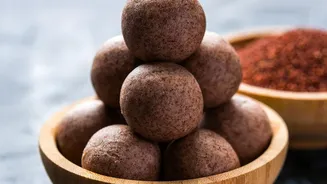
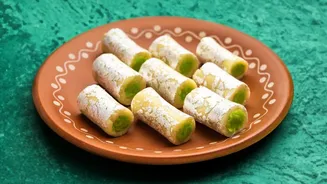
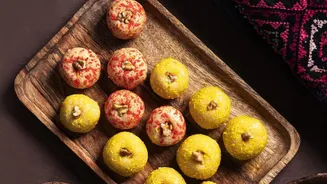
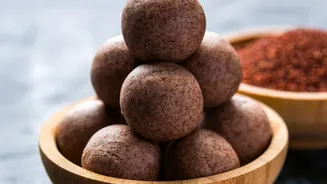
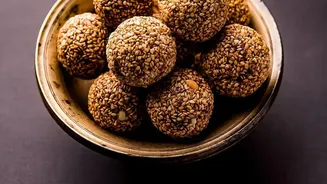
Many beloved Indian sweets can be easily adapted. Ladoos are a perfect starting point. To make Ragi Ladoos, you simply roast ragi flour in ghee until it releases a nutty aroma, then combine it with powdered jaggery, cardamom, and chopped nuts. The result is a delicious, calcium-rich sweet that is both filling and flavourful. Similarly, you can create a wholesome Jowar Halwa. The process is much like making sooji halwa: roast the jowar flour in ghee, then add hot water or milk sweetened with jaggery, and cook until it thickens. The fibre in jowar makes this version more sustaining than its semolina counterpart. You can also experiment with making millet-based barfis, kheers, and even murukku for a savoury festive snack.
Tips for Sweet Success
Working with millet flours can be a little different from using maida or wheat flour. Because they are gluten-free, they lack the protein that provides structure and binding. To compensate, make sure your mixture has enough moisture and fat. Ingredients like jaggery, dates, nuts, and ghee not only add flavour but also help hold the sweets together. Roasting the flours properly is key; it removes any raw taste and brings out their inherent nutty flavours. Don’t be afraid of the denser texture. Millet sweets are not meant to be exact replicas of their maida-based cousins but are a new, enjoyable experience in their own right, offering a more complex flavour profile.