





Why Humidity Is the Real Challenge
On a hot, dry day, your body has an efficient cooling system: you sweat, and that sweat evaporates, taking heat with it. But when the air is already saturated with moisture, as it is in high humidity, your sweat has nowhere to go. Instead of evaporating,
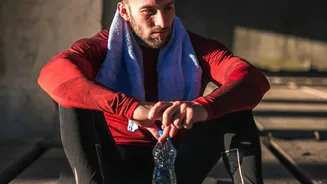
it pools on your skin, dripping off without providing much cooling effect. This breakdown in your body's primary cooling mechanism means your internal temperature can rise more quickly, even if the thermometer reading isn't extreme. Your system is forced to work overtime just to keep from overheating, making any physical effort feel significantly tougher.
Your Body Under Stress
When evaporative cooling fails, your body initiates a backup plan. It diverts more blood to the skin's surface in an attempt to release heat. This creates a cardiovascular traffic jam. Your heart has to pump harder to supply blood to both your working muscles and your skin simultaneously. This dual demand results in an elevated heart rate, even at a pace that would feel easy in cooler, drier conditions. Essentially, your body is performing two demanding tasks at once: exercising and aggressively trying to cool down. This increased physiological strain is why you feel fatigued much sooner and why the same workout feels exponentially harder.
Adjust Your Effort, Not Just Your Attitude
Pushing through the discomfort in high humidity isn’t a sign of toughness; it’s a recipe for overexertion. Instead of chasing personal records for pace or power, the smartest athletes shift their focus to perceived effort. If a run feels like an 8 out of 10 effort, treat it as such, regardless of what your watch says. Practical adjustments are key: shorten the duration of your workouts, reduce the intensity, and crucially, extend the rest periods between hard intervals. That extra minute of recovery isn't laziness—it's giving your overstressed cardiovascular and thermoregulatory systems a vital chance to stabilize before the next push.
The Critical Role of Recovery
The need for more rest extends beyond the workout itself. Exercising in humidity places a greater systemic toll on your body, leading to deeper fatigue and increased inflammation. Muscles may feel stiffer and more prone to cramps as they work harder with less efficient oxygen delivery. A proper cool-down becomes non-negotiable, allowing your heart rate to return to normal gradually and preventing dizziness. Furthermore, your post-workout recovery needs to be more deliberate. This includes prioritising sleep, which is when your body does most of its repair work, and ensuring you are adequately replenishing fluids and nutrients lost through excessive sweating.
Hydration and Warning Signs
In humid weather, you often sweat more, losing vital fluids and electrolytes like sodium and potassium. It's essential to hydrate before, during, and after your workout, focusing on electrolyte-rich drinks for longer sessions. It is also critical to recognise the signs of heat-related illness. Heat exhaustion often involves heavy sweating, cool or clammy skin, dizziness, headache, and nausea. This is a serious warning to stop, find a cool place, and hydrate. Heatstroke is a medical emergency, characterised by a high body temperature (above 103°F), confusion or altered mental state, slurred speech, and hot, red skin that may be dry or damp. Any change in mental state is a clear sign to seek immediate medical help.