





From Elaborate Plates to Khichdi Bowls
For years, the ultimate food 'flex' was about complexity and exclusivity. It was the 12-course tasting menu, the imported burrata drizzled with truffle oil, or the dessert that looked more like a science experiment than a meal. It was about showing where
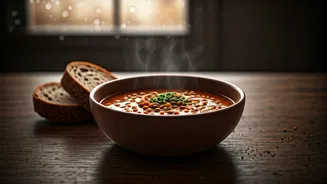
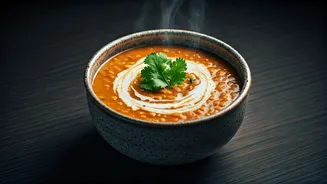
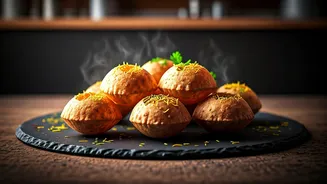
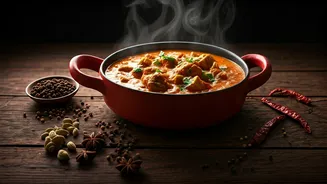
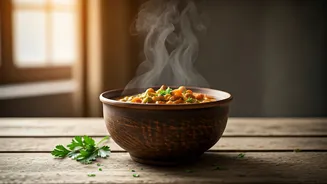
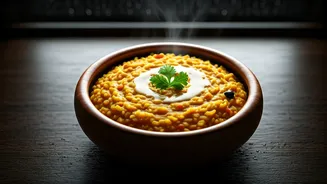
you could afford to eat and what elaborate dish you could conquer. But a quiet revolution is simmering, and it smells a lot like *ghar ka khana*. This rainy season, the most coveted post isn't from a Michelin-starred restaurant; it’s a beautifully captured shot of a steaming bowl of *masala khichdi*, a plate of crispy *pakoras* with a side of tangy chutney, or a simple cup of *adrak wali chai* held against a rain-streaked window. The new flex is simplicity. It’s about showcasing not wealth or access, but taste, comfort, and the ability to find joy in the elemental.
The Rise of Comfort Over Complexity
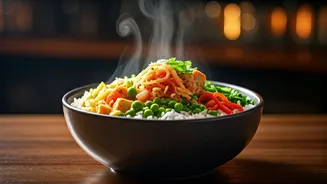
So, why the shift? This trend is part of a larger cultural current moving away from performative perfection. We’re tired of the pressure to live a life that looks good on Instagram but feels hollow. The pandemic played a huge role, forcing many of us back into our kitchens and reacquainting us with the soothing rhythm of chopping, stirring, and tasting. We rediscovered the deep, soul-satisfying pleasure of a meal made with our own hands. This newfound appreciation for home-cooked food has now evolved into a conscious choice. Choosing a simple *dal chawal* over a complicated-sounding quinoa bowl is a statement. It says you're secure, you know what truly nourishes you, and you're not trying to impress anyone with flash. It’s the culinary equivalent of the ‘quiet luxury’ trend—where the most valuable things are understated and deeply personal.
Nostalgia on a Rainy Day
The monsoon has a unique power to evoke nostalgia in India. The petrichor, the cool breeze, and the sound of falling rain transport us back to our childhoods. And what’s a trip down memory lane without the food that defined it? For many, that’s the taste of the simple meals our mothers or grandmothers made to comfort us on gloomy days. A bowl of *khichdi* isn’t just rice and lentils; it’s the memory of being cared for when you were sick. A plate of *aloo bonda* isn’t just fried potato; it’s the flavour of after-school treats shared with siblings while watching the rain. By making and sharing these dishes, we’re not just feeding ourselves; we're tapping into a deep well of collective memory and emotion. We’re recreating a sense of safety, warmth, and belonging that no fancy restaurant can offer.
Anatomy of the Perfect 'Simple' Post
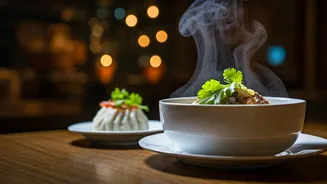
Of course, this being the age of social media, the 'simple food flex' has its own aesthetic rules. It’s not about snapping a messy picture of your dinner. The art is in the curation of the moment. The perfect post features a rustic, earthenware bowl. The lighting is soft and natural, perhaps from a nearby window. Steam should be visibly rising from the food, signalling warmth and freshness. Often, there are props that complete the cosy narrative: a good book lying open, a hand-knitted blanket draped over a chair, or the rain-blurred world visible in the background. The caption is usually short and evocative—something like “Monsoon comfort” or “Soul food.” The flex isn’t just the food itself; it’s the ability to create and appreciate a simple, beautiful, and mindful moment amidst the chaos of modern life.