
Long before 'probiotics' became a wellness buzzword, Indian kitchens were mastering the art of fermentation. This ancient wisdom transforms everyday meals into nutritional powerhouses that support gut health, immunity, and overall vitality.
The Magic of Fermentation
Fermentation
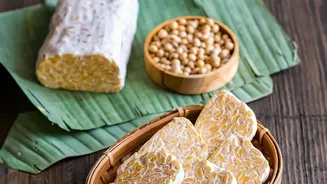
is a natural process where microorganisms like bacteria and yeast break down sugars and starches in food. This doesn't just preserve the food; it fundamentally transforms it, making it more nutritious and easier to digest. During this process, beneficial bacteria, known as probiotics, flourish. These probiotics are the cornerstone of a healthy gut microbiome, which is linked to everything from better digestion and a stronger immune system to improved mood. Fermentation also breaks down 'anti-nutrients' like phytic acid, which can hinder the body's ability to absorb minerals like iron and zinc. This means your body gets more goodness out of every bite.
Idli & Dosa: The Probiotic Power Duo
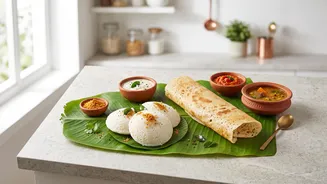
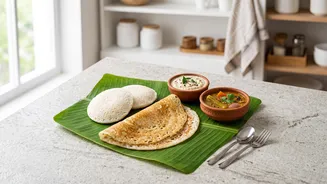
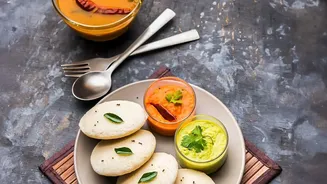
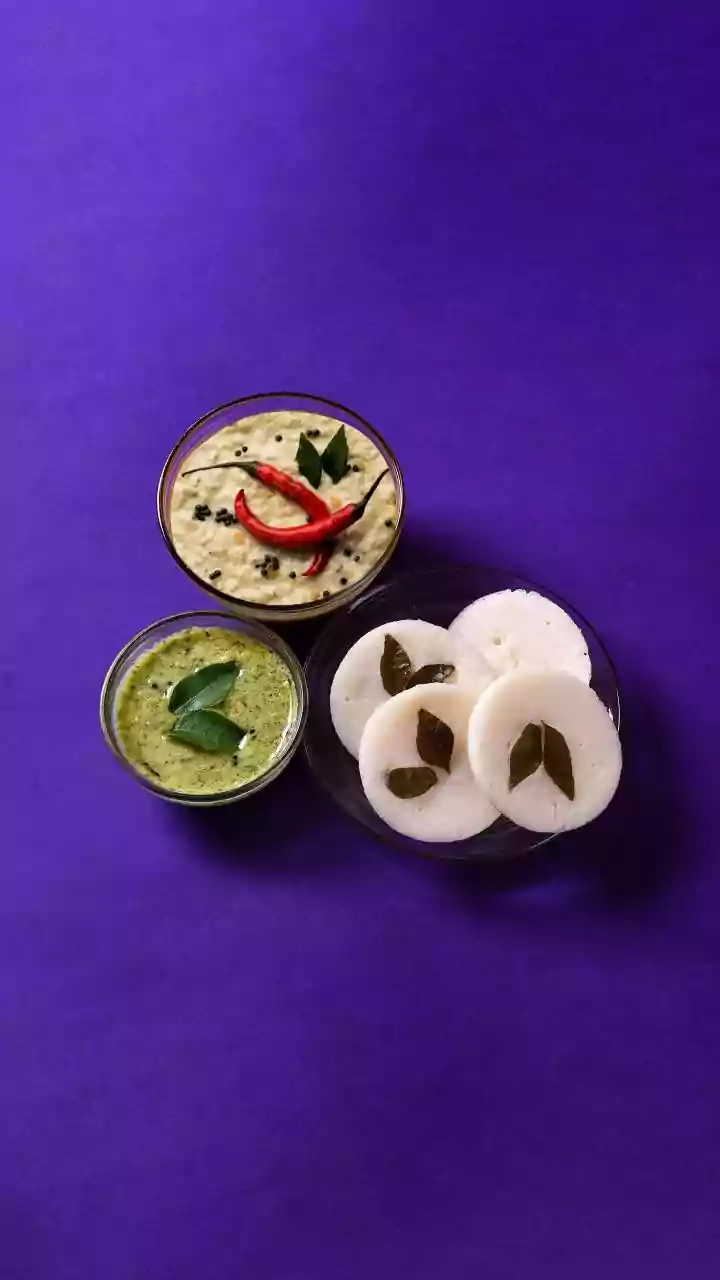
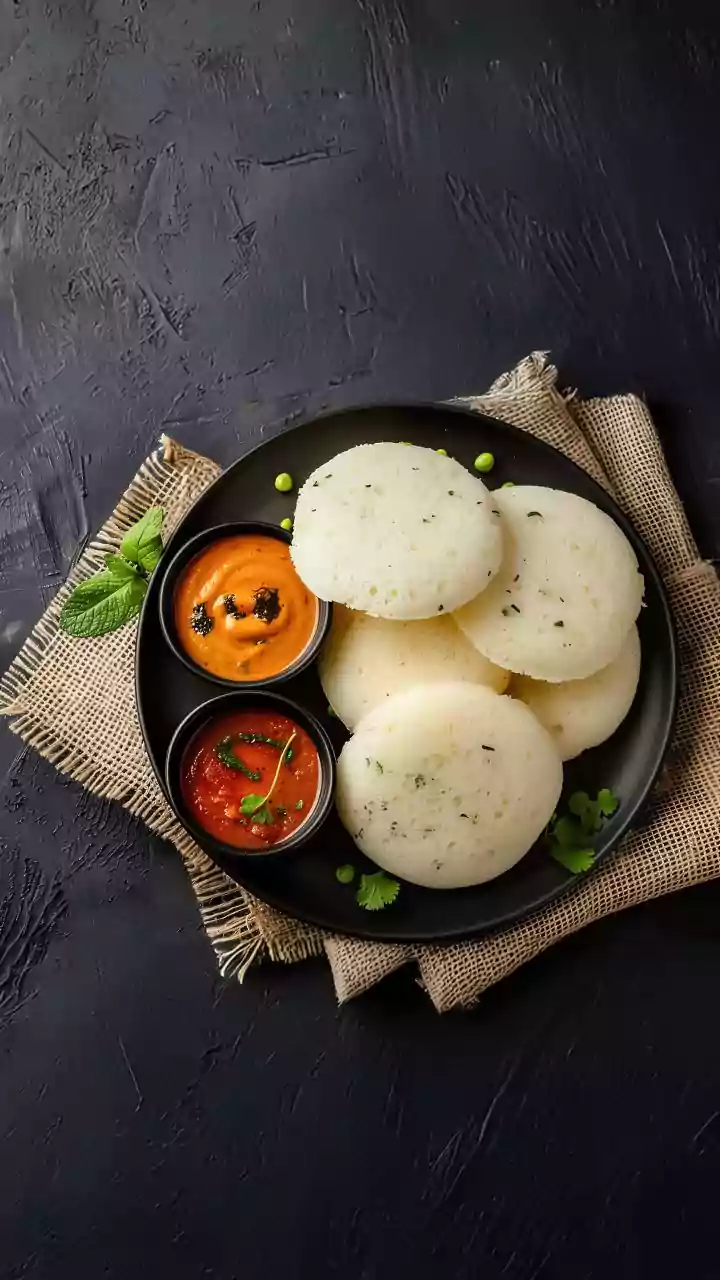
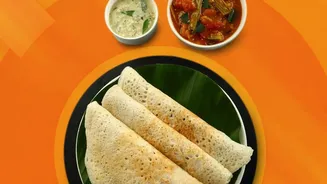
Arguably the most famous of India’s fermented foods, idli and dosa are staples in the South for good reason. Made from a fermented batter of rice and urad dal (black lentils), these dishes are renowned for being light and easy on the stomach. The 8-12 hour fermentation process creates a wealth of lactic acid bacteria, which act as natural probiotics. These beneficial microbes help restore the balance of good bacteria in your gut, which can reduce issues like bloating and indigestion. The pre-digestion of carbohydrates and proteins by the microbes makes idli and dosa incredibly easy for our bodies to process, ensuring we get sustained energy without a heavy feeling. Furthermore, fermentation boosts the bioavailability of B vitamins and essential minerals within the batter.
Dhokla: The Spongy, Gut-Friendly Snack
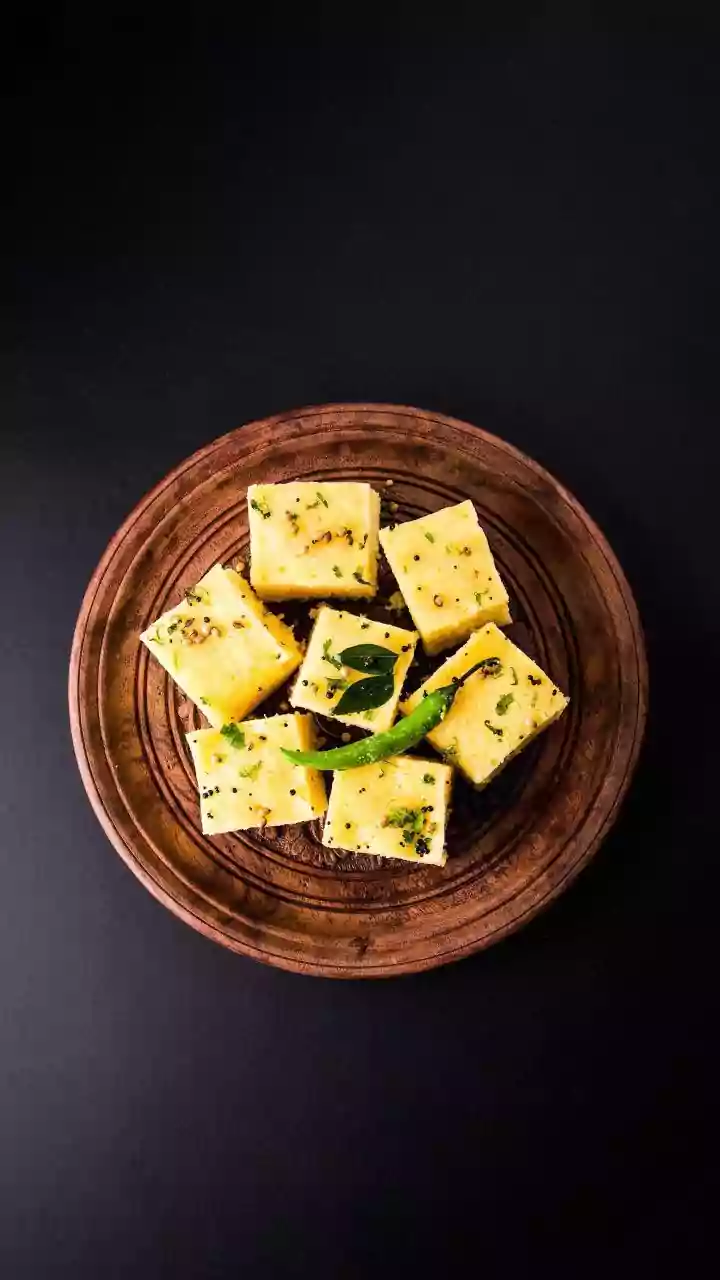
Hailing from Gujarat, dhokla is a savoury steamed cake made from a fermented batter of gram flour (besan) or a mix of rice and chickpeas. This process not only gives dhokla its signature airy, spongy texture but also makes it a gut-friendly snack. Fermentation breaks down the complex carbohydrates and proteins, making the snack highly digestible. As a low-calorie, high-protein, and fibre-rich option, dhokla helps you feel full for longer, making it an excellent choice for weight management. Rich in B vitamins and minerals like iron, this steamed delicacy is a perfect example of how healthy food can also be incredibly delicious.
Kanji: The Tangy Probiotic Tonic
Kanji is a traditional fermented drink from North India, typically made with black carrots, beetroot, water, and mustard seeds. This tangy, deep-purple beverage is a probiotic powerhouse, supporting a healthy digestive system by balancing gut bacteria and aiding nutrient absorption. Beyond digestion, kanji is packed with antioxidants from the carrots, which help the body detoxify and fight inflammation. Regular consumption can boost your immune system, helping you fend off common infections. It’s also hydrating and low in calories, making it a refreshing and healthful alternative to sugary drinks.
Dahi and Beyond
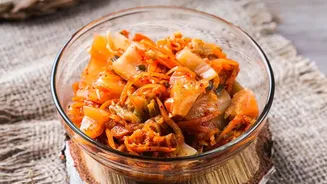
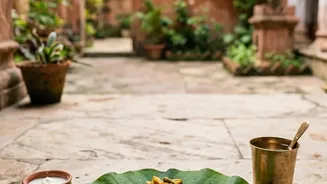
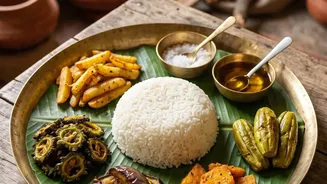
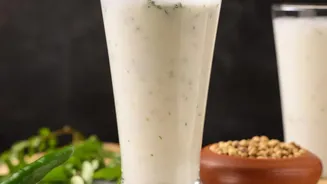
Perhaps the most common fermented food in India is dahi (yogurt), a staple in households nationwide. It's a fantastic source of probiotics like Lactobacillus, which aid digestion and help maintain a healthy gut flora. But the list doesn't end there. From the fermented rice dish Panta Bhat in the East, which cools the body and generates B-vitamins, to traditional pickles (achaar) that introduce microbial diversity, Indian cuisine is brimming with fermented treasures. These foods are a testament to a culinary tradition that seamlessly blends flavour with profound health benefits, demonstrating that supporting your wellness can be a delicious, everyday practice.