





Audit Your Daily Brew
The daily takeaway coffee is a classic example of micro-spending. A ₹250 coffee each workday adds up to over ₹60,000 a year — enough for a round-trip flight to a nearby international destination. You don't have to give up your caffeine fix entirely. Brewing
your own coffee at home can cost as little as ₹20 per cup. Invest in a good thermal flask to take your brew with you. If the café ritual is what you love, try cutting back to twice a week and transferring the money you would have spent on the other days directly into a travel savings account.
Conduct a Subscription Sweep
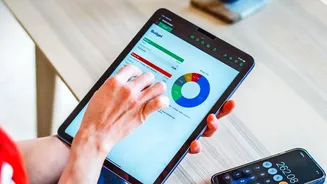
From streaming services and wellness apps to forgotten magazine trials, recurring monthly payments are silent budget killers. Many of these subscriptions are only a few hundred rupees, making them easy to ignore. Take an hour to go through your bank and credit card statements to identify every recurring charge. Be ruthless: if you haven’t used a service in the last month, cancel it. Apps like PocketGuard and Simplifi can help by automatically identifying and tracking these subscriptions for you, sometimes even flagging upcoming charges so you can cancel in time.
Master the 24-Hour Rule
Impulse buys are often driven by emotion, like stress or boredom, rather than actual need. To combat this, implement a simple '24-hour rule' for any non-essential purchase. When you feel the urge to buy something, add it to your cart or a wishlist and wait a full day. This cooling-off period allows the initial emotional excitement to fade, giving you a chance to assess whether you truly want or need the item. More often than not, you'll find the urge has passed, and you can sweep the money you would have spent into your travel fund instead.
Gamify Your Lunch Prep
Ordering lunch at work is a major drain on finances. A daily order that costs ₹300-400 can easily consume ₹6,000-₹8,000 per month. Instead of viewing home-cooked meals as a chore, turn it into a challenge. Plan a week's worth of interesting lunches, cook in batches on Sunday, and 'pay yourself' the money you save each day by not ordering in. This not only saves a significant amount of money but is often a healthier choice, too. Saving ₹7,000 a month could fund a luxurious weekend getaway in just a few months.
Automate Your Travel Savings
The key to making these hacks stick is to 'sweep' the saved money away before you're tempted to spend it elsewhere. This is where automation becomes your best friend. Set up an automatic transfer from your primary bank account to a dedicated travel savings account. Many banking apps allow you to schedule recurring transfers. Another great strategy is to use an expense tracking app that helps you give every rupee a job, a method known as zero-based budgeting. When you know exactly where your money is meant to go, you're less likely to spend it mindlessly.
Rethink Your Commute and Errands
Convenience often comes at a high price. Relying on cabs for your daily commute or frequent errands can add up substantially. If your workplace is accessible, consider using public transport, which is significantly cheaper. For shorter distances, walking is free and adds a healthy habit to your day. If you own a car, carpooling with colleagues can help split fuel costs. Each time you opt for a cheaper mode of transport, calculate the difference and move it to your savings. It's a small but powerful way to build your travel fund.