







The Problem with 'Quick Fix' Diets
Crash diets, which drastically slash your calorie intake, are built on a flawed promise. They often eliminate entire food groups, leading to nutrient deficiencies, fatigue, and irritability. While you might see a quick drop on the scale, much of this
initial loss is water weight and, more importantly, precious muscle mass. Your body, sensing starvation, slows down your metabolism to conserve energy. This makes it progressively harder to lose weight and almost guarantees that you’ll regain the weight—and often more—once you return to normal eating patterns. This yo-yo effect is not just frustrating; it can be detrimental to your long-term metabolic health, creating a cycle of deprivation and disappointment.
Understanding Your Macros
Instead of obsessing over calories alone, a healthier approach is to focus on macronutrients, or 'macros'. These are the three main nutrient categories your body needs to function: protein, carbohydrates, and fats. Think of them as the fundamental building blocks of your health. * **Protein:** Essential for building and repairing tissues, including muscle. It’s also highly satiating, meaning it keeps you feeling full for longer. * **Carbohydrates:** Your body's primary source of energy. The key is to choose complex carbs (like whole grains and legumes) over simple ones (like sugar), as they provide a slow, steady release of energy. * **Fats:** Crucial for hormone production, vitamin absorption, and brain health. Healthy fats, found in foods like nuts, seeds, and ghee, are vital for overall wellness.
Why Balanced Eating Works
Macro-balanced eating isn't a restrictive diet; it's a sustainable lifestyle framework. By ensuring each meal contains a healthy portion of protein, carbohydrates, and fats, you provide your body with exactly what it needs to thrive. This approach helps stabilise blood sugar levels, preventing the energy spikes and crashes that lead to cravings for unhealthy snacks. It supports muscle maintenance and growth, which is key for a robust metabolism. Furthermore, because balanced meals are inherently more satisfying, you're less likely to feel deprived or overeat later. It’s about nourishing your body, not starving it, leading to consistent energy, better mood, and sustainable fat loss over time.
The Hero Ingredient: Lentils
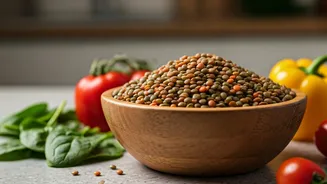
This is where the humble dal, a staple in Indian cuisine, shines. Lentils are a nutritional powerhouse and a perfect foundation for macro-balanced eating. They are packed with plant-based protein, making them excellent for muscle repair and satiety. They are also rich in complex carbohydrates and dietary fibre, which aids digestion and ensures a gradual release of energy. A single bowl of dal offers a fantastic protein-and-carb combination. Whether it's toor, masoor, moong, or chana dal, each variety offers a unique profile of vitamins and minerals like iron, folate, and manganese. Low in fat and incredibly versatile, lentils make it easy and affordable to build a nutritious, filling meal.
Building Your Balanced Plate
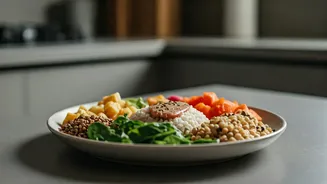
Putting this into practice is simpler than you think. You’re probably already doing it! A traditional Indian thali is a perfect example of macro-balancing. Let's break down a typical meal: * **Protein & Carbs:** A generous serving of dal. * **Carbs & Fibre:** A portion of brown rice or a whole-wheat roti. * **Fibre & Micronutrients:** A side of seasonal sabzi (vegetables), cooked with minimal oil. * **Protein & Healthy Fats:** A spoonful of yoghurt (dahi) and a small dollop of ghee on your roti or rice. This combination provides sustained energy, keeps you full, and delivers a wide array of essential nutrients. By viewing your meals through this macro lens, you can easily adjust portion sizes to meet your personal health goals without feeling like you're on a diet.