








The Promise vs. The Grind
On paper, the economic case for electric vehicles in the gig economy is compelling. With fuel costs for two-wheelers being significantly lower than for their petrol counterparts, delivery partners and ride-hailing drivers can see a substantial increase
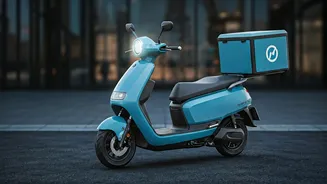
in their take-home income. Some estimates suggest savings of up to ₹4,000 per month on fuel alone, a major boost for workers in a sector with tight margins. This financial advantage is driving a notable shift, with one survey indicating that over 75% of delivery workers have already moved from petrol to electric two-wheelers. However, this transition is far from seamless. The high upfront cost of an EV, often 1.5 to 2 times that of a comparable petrol model, remains a primary barrier to entry. Beyond the initial purchase, workers face a daily operational reality plagued by range anxiety, the fear of running out of power mid-shift, and the income lost during long charging times.
The Charging Conundrum
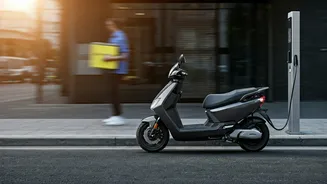
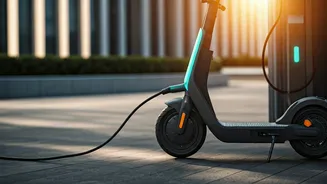
The most significant hurdle for a gig worker using an EV is the charging infrastructure, or lack thereof. In the gig economy, time is money; every hour a vehicle spends tethered to a charger is an hour of lost earnings. While public charging stations are growing in number, their distribution is heavily concentrated in major metro areas, leaving Tier-2 and Tier-3 cities underserved. Finding an available, functioning, and affordable charging spot is a daily challenge. To solve the downtime issue, battery-swapping services have emerged as a promising alternative, allowing a rider to exchange a depleted battery for a full one in minutes. This model is particularly suited for commercial operators who prioritize efficiency. However, the swapping ecosystem is fragmented by a lack of standardization, with proprietary batteries limiting a rider's ability to use different networks. Until a worker can reliably and quickly power their vehicle anywhere, the operational efficiency of EVs remains compromised.
A Desperate Need for Smarter Software
The current generation of tools available to drivers is woefully inadequate for the complexities of an 'electric shift'. Standard navigation apps like Google Maps can find a charging station, but they don't provide the critical, real-time data a gig worker needs to operate efficiently. A driver's entire workflow—accepting jobs, planning routes, and managing time—revolves around their vehicle's battery level. They need an integrated software layer that does more than just show pins on a map. This means tools that can plan routes based on the vehicle's real-time range, current traffic, and the location, availability, and even charging speed of stations along the way. Existing charging apps are often siloed, forcing drivers to juggle multiple platforms to find a compatible charger, pay for the session, and monitor its progress. This fragmented experience adds unnecessary friction to an already stressful job.
What 'Better Tools' Actually Look Like
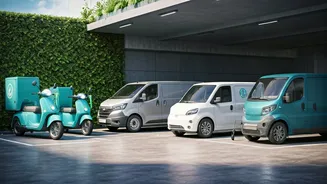
To truly empower the electric gig worker, the next generation of tools must be holistic. Imagine a single platform that integrates vehicle telematics, route planning, and a universal payment system for charging. Such a tool would provide AI-powered route optimization that suggests the most profitable delivery runs while factoring in necessary charging stops, minimizing downtime. It would show real-time availability and pricing for both plug-in chargers and battery-swapping stations from multiple networks, allowing a worker to choose the fastest or most cost-effective option. Furthermore, these platforms could integrate financial services, helping workers track EV-specific expenses for tax purposes and even access financing or leasing options tailored to their needs. Startups like ElectriQ, Yulu, and various software companies are beginning to build parts of this ecosystem, focusing on vehicle solutions and management platforms designed for last-mile delivery. These are not just quality-of-life improvements; they are essential for making the EV transition economically viable for the millions of workers who form the backbone of the on-demand economy.