


The launch of a new Grand Theft Auto is not just a gaming event; it's a global phenomenon. For a few weeks, the world outside seems to pause as millions dive into a new virtual life, and our real-world habits follow suit.
The Billion-Dollar Hibernation
When Grand Theft Auto VI launched
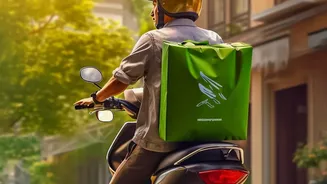
on November 19, it wasn't just gamers who were paying attention. Economists, marketers, and restaurant owners were also watching closely, because a release of this magnitude fundamentally changes how people spend their time and money. With analysts predicting sales in the billions within the first week alone, GTA VI was always destined to be the biggest entertainment launch in history. That level of engagement means millions of people are glued to their couches, unwilling to pause for trivial matters like cooking. This 'gaming hibernation' creates a massive, concentrated demand for anything that can be delivered to your doorstep. And a whole ecosystem of businesses, from fast-food giants to local pizzerias, was ready to cash in.
Anatomy of a Gaming Binge
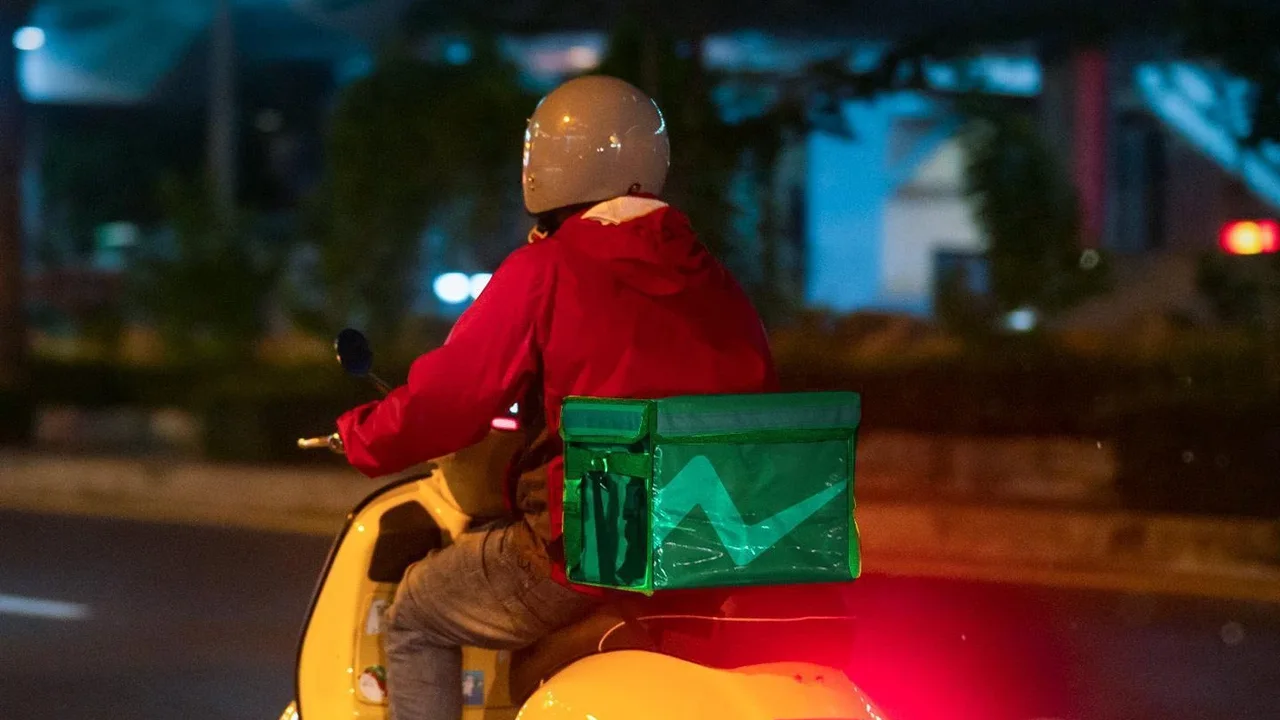
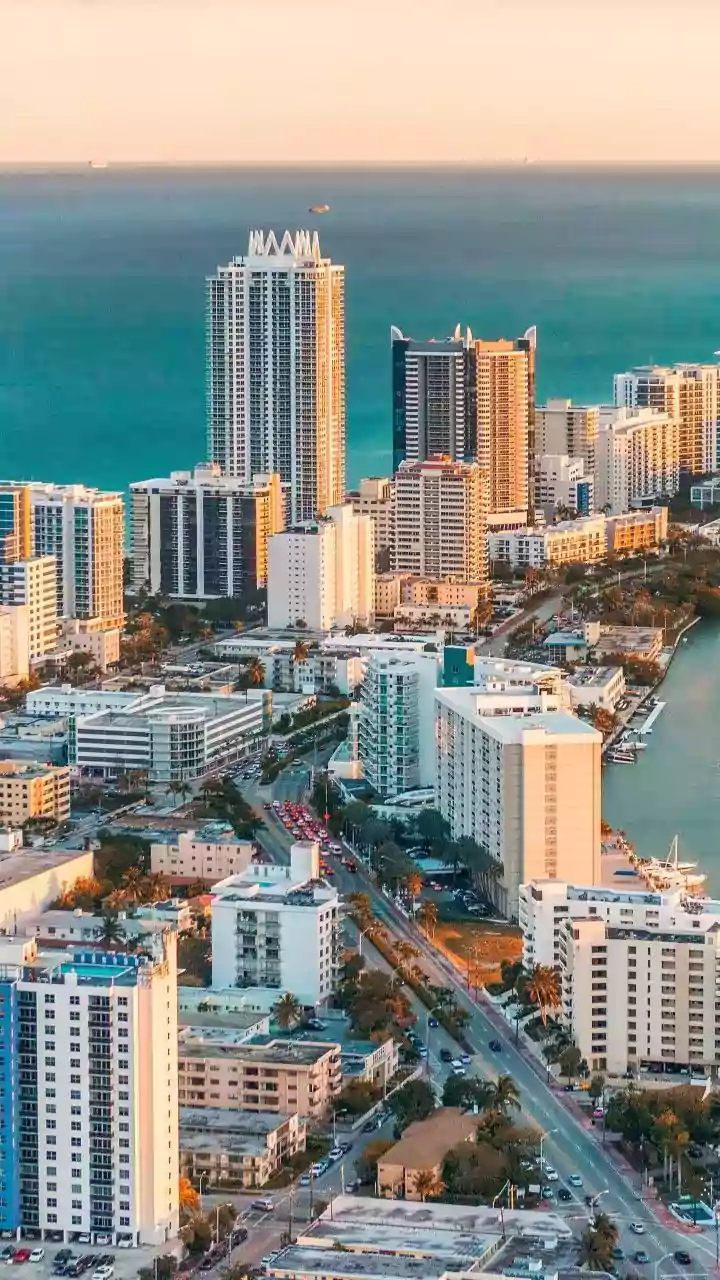
So, what happens when an entire nation of gamers decides to stay in? Food delivery apps see a boom. On launch night, platforms like DoorDash and Uber Eats reported significant spikes in late-night orders. In Miami, the real-life inspiration for the game's Vice City, Uber Eats saw overnight orders jump by more than 30%. It wasn't just dinner; energy drink sales climbed by over 20%, while comfort foods like pizza, burgers, and fries all saw double-digit increases. It's a simple equation: immersive gameplay plus a desire to not miss a single moment equals a surge in demand for convenient, easy-to-eat fuel. This wasn't limited to the US, either, with markets like Spain reporting similar 30% surges in late-night delivery orders as players across Europe logged on.
Restaurants Join the Game
Smart brands didn't just wait for the orders to roll in; they actively courted the gaming audience. Recognising that millions of players would be 'out of office', chains rolled out themed promotions and special deals. Popeyes, for example, cheekily launched a limited-edition 'Spice City Sandwich', a clear nod to the game's setting. Others, like McDonald's, offered discounts through delivery partners, perfectly timed for the launch. Some brands got even more creative. A KFC in Australia staged a mock funeral for an 'Ann Alibi' to give players a bulletproof excuse to miss work, complete with a hearse and a book of condolences. These campaigns show a keen understanding that a major game launch is a cultural touchstone, creating a shared experience that brands can tap into with humour and relevance.
More Than Just a Game
The ripple effect of GTA VI extends far beyond food. During the launch window, DoorDash reported a staggering 450% increase in orders for gaming controllers and a 440% jump for HDMI cables, proving many were making last-minute upgrades. The game's release also had a noticeable impact on workplaces, with estimates suggesting over a million people planned to take time off. One company, Logitech, even gave its gaming division employees a paid holiday for the launch. This illustrates a broader shift: video games are no longer a niche hobby but a dominant force in the entertainment landscape, capable of shaping social trends and driving economic activity on a scale that rivals, and often surpasses, blockbuster movie premieres.