
The New Coffee Culture
India, a nation traditionally devoted to tea, is witnessing a significant surge in coffee consumption, especially among its younger, urban population. This isn't the filter coffee of southern households or the instant coffee that powered previous generations.
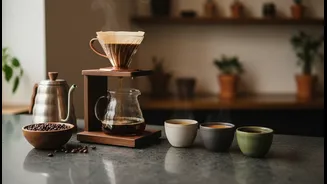
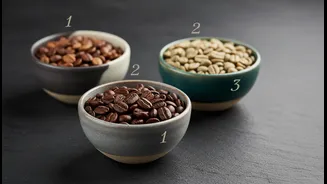
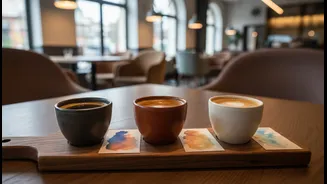
This is the era of 'third wave' coffee, where the bean is treated like a fine wine—appreciated for its origin, processing, and unique flavour profile. Brands like Third Wave Coffee and Blue Tokai have expanded rapidly, turning cafés into vibrant 'third spaces' for work, socialising, and connection. This movement caters to a generation of young professionals with rising disposable incomes and a palate for global trends. They value experiences, and a well-crafted cup of coffee has become an affordable daily luxury and a marker of a sophisticated lifestyle.
The Science of a Calmer Cup
The headline's link between coffee and stress defence is complex. On one hand, studies show caffeine can temporarily increase cortisol, the body's primary stress hormone. However, the narrative is more nuanced. A recent, large-scale study found that moderate coffee consumption—about two to three cups a day—was associated with a significantly lower risk of developing stress and mood disorders. Adding another layer, very recent research from July 2026 suggests that compounds in coffee, particularly polyphenols like caffeic acid (not just caffeine), can activate a special cellular receptor called NR4A1. This receptor helps protect cells from stress, inflammation, and damage, potentially explaining some of coffee’s long-observed health benefits. While consumers may not be reading these specific studies, the general message that coffee can be part of a healthy, stress-managed lifestyle is filtering through.
A Mindful Indulgence
For today’s young professionals, wellness is a key driver of consumer behaviour. They are not just buying a product; they are investing in their well-being. The idea that a premium coffee could offer more than just a caffeine jolt—that it might even help the body's defences against stress—fits perfectly into this mindset. This demographic is more informed and intentional about their consumption choices. They seek quality, transparency, and ethical sourcing. The specialty coffee movement delivers on this, offering single-origin beans with traceable histories from farms in Chikmagalur and Coorg, often sourced directly to ensure fair prices for growers. This story of craft and quality allows the act of drinking coffee to become a mindful ritual rather than a mindless habit, aligning with a broader desire for a balanced and conscious lifestyle.
More Than a Health Halo
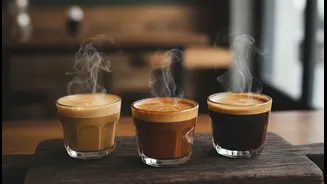
While the wellness angle is compelling, it’s not the only reason for the shift. The appeal of premium coffee is multifaceted. For many, it's a sensory experience. The complex tasting notes of a single-origin pour-over or the rich crema of a perfectly pulled espresso are a world away from instant granules. Cafés themselves foster a sense of community and have become crucial social and professional hubs. There is also a status element at play; ordering a specialty coffee is a form of self-expression and a subtle signal of being in-the-know. Social media amplifies this, with visually appealing latte art and unique brewing methods becoming shareable content that reinforces the trend. Ultimately, the embrace of premium coffee is a fusion of factors: superior taste, a compelling wellness narrative, a sense of community, and the aspirational identity it confers.