



Hoi An: The Timeless Trading Port
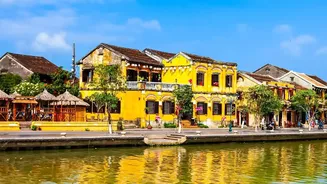
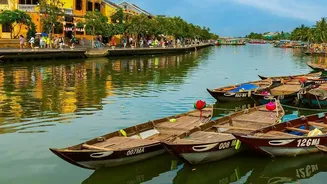
No list of historic seaside towns is complete without Hoi An. This UNESCO World Heritage site is a beautifully preserved example of a Southeast Asian trading port from the 15th to the 19th century. Walking through its ancient town feels like stepping
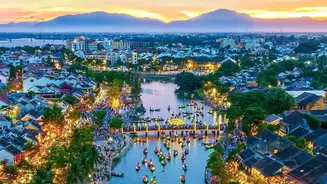
back in time. The streets are lined with mustard-yellow shophouses, ornate Chinese assembly halls, and traditional wooden homes. A highlight is the iconic Japanese Covered Bridge, first built in the 17th century to connect the Japanese and Chinese communities. By day, you can get lost in the maze of alleys, discovering artisan workshops and quiet courtyards. By night, the town transforms as thousands of colourful lanterns illuminate the streets and the Thu Bon River, creating a magical atmosphere. You can even release a lantern onto the water for good luck, a beloved tradition for visitors and locals alike.
Da Nang: Modern City with a French Accent
While famous for its modern bridges and sandy beaches, Da Nang also holds significant historical charm, particularly from the French colonial period. The city serves as a fantastic base for exploring the region's history, but its own streets tell a compelling story. You can find around 20 valuable French architectural works, including the striking pink Da Nang Cathedral, built in a Gothic style in 1923 and affectionately known as the 'Rooster Cathedral'. Other landmarks like the Museum of Cham Sculpture blend French neoclassical design with ancient Cham art. These buildings are not just relics; they are an integral part of the city's identity, representing a unique cultural crossroads where European design was adapted to a tropical Vietnamese setting. It offers a different kind of historic street experience, where grand colonial-era buildings stand alongside a bustling, contemporary city.
Quy Nhon: In the Land of the Cham Kingdom
For a less-travelled path, head to Quy Nhon in Binh Dinh province. This coastal city offers a serene atmosphere and is a gateway to the ancient Champa Kingdom. While the city itself is modernising, its historical significance is found in the surrounding areas. The Binh Dinh Museum in Quy Nhon houses an impressive collection of Champa artifacts. Just a short drive from the city, you can explore the Banh It Cham Towers, which stand majestically on a hilltop, offering panoramic views of the countryside. Further afield are the Duong Long Towers, another testament to the architectural prowess of the Cham people. Quy Nhon provides a unique blend of a relaxing beach holiday with a deep dive into Vietnam’s pre-colonial history, far from the bustling crowds of other tourist hotspots.
Vung Tau: A Colonial-Era Seaside Retreat
Once a favourite escape for French officials, Vung Tau has a distinct resort-town feel with a rich historical layer. The city's coastal roads are lined with grand colonial villas, but the crown jewel is Bach Dinh, or the 'White Palace'. Built between 1898 and 1902 as a retreat for the Governor-General of French Indochina, this beautiful mansion sits on a hillside overlooking the sea. Its European architecture, complete with arched windows and red-tiled roofs, offers a glimpse into the opulence of the era. The city is also home to a French-built lighthouse and artillery fortress, which adds another dimension to its history. Vung Tau is an ideal getaway for those looking to combine beach relaxation with an exploration of Vietnam's French colonial past.