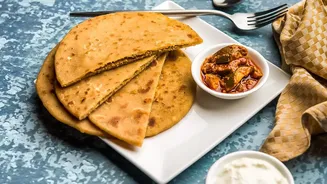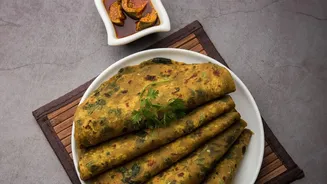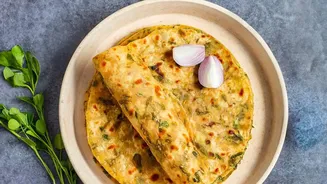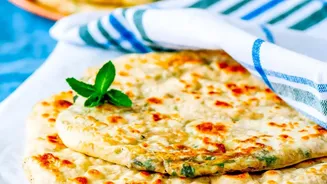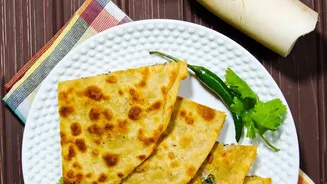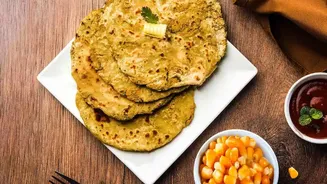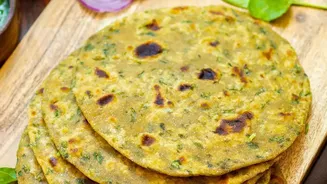

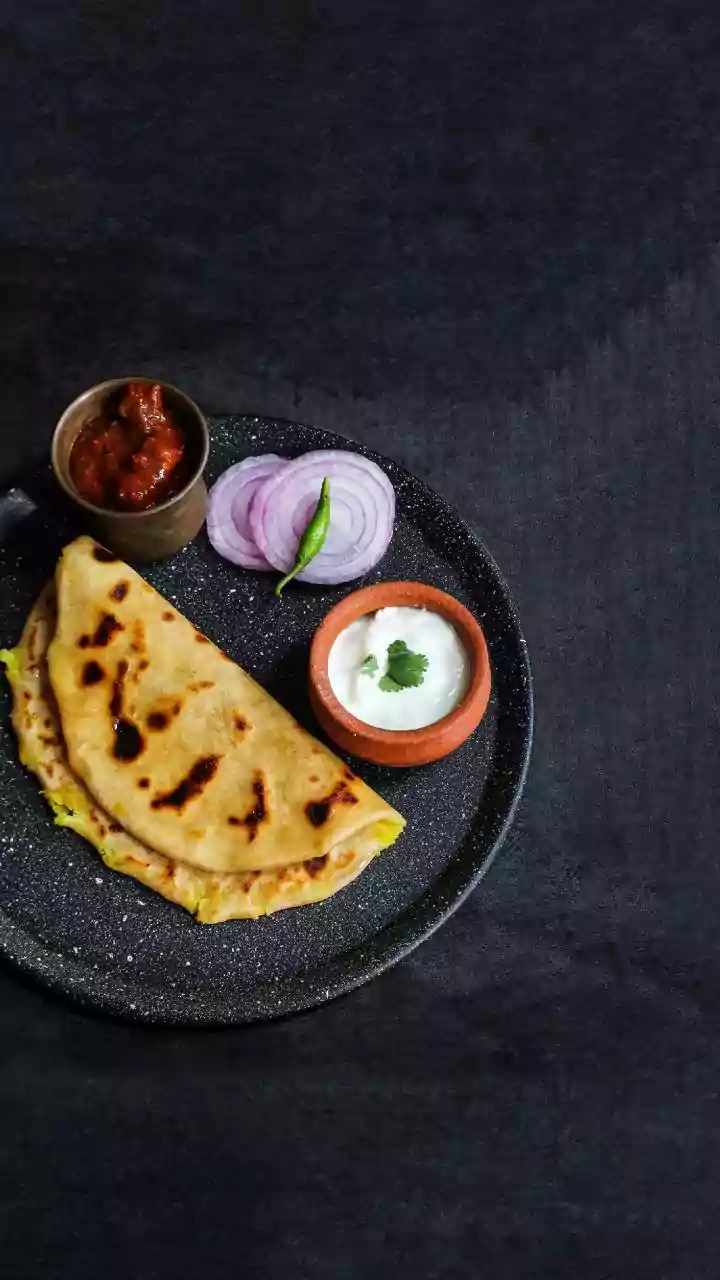
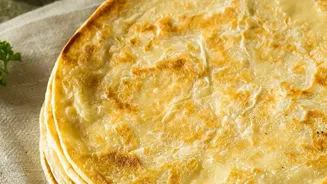
Craving a warm, wholesome paratha without the gluten? This recipe brings together the earthy goodness of jowar (sorghum) and the crisp, peppery flavour of mooli (radish) for a flatbread that is both delicious and incredibly nutritious.
The Power of Jowar Flour
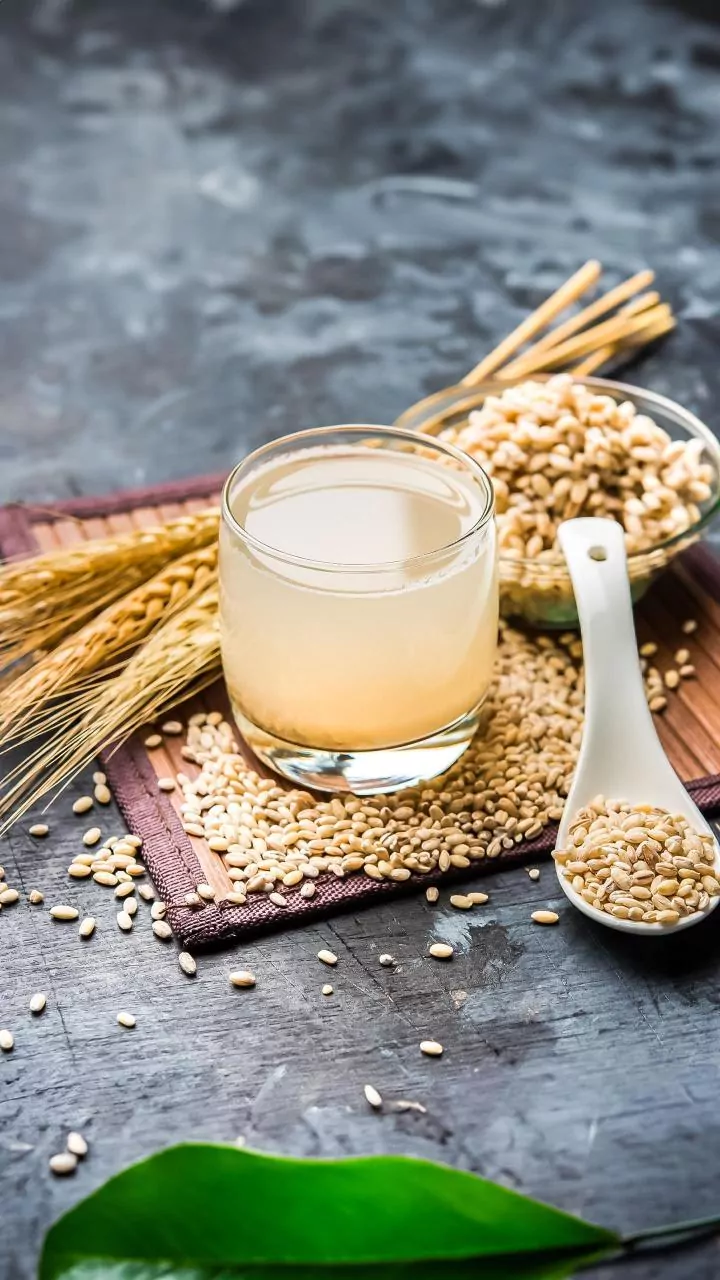
Jowar, an ancient
millet, is making a major comeback in modern Indian kitchens, and for good reason. As a naturally gluten-free grain, it is an excellent alternative for those with celiac disease or gluten sensitivities. Beyond that, it is a nutritional powerhouse. Jowar is packed with dietary fibre, which aids digestion, promotes a feeling of fullness, and helps manage weight. It has a low glycaemic index, meaning it releases sugar into the bloodstream slowly, making it a favourable choice for managing blood sugar levels. This ancient grain is also rich in essential minerals like iron, magnesium, and phosphorus, which contribute to bone health and improved blood circulation. Its antioxidant properties further help in reducing inflammation and supporting overall heart health.
Mooli: The Humble Health Hero
Often overlooked, the humble mooli, or radish, is more than just a salad ingredient. It is incredibly hydrating, with a water content of over 90%, and is low in calories. Radishes are a great source of Vitamin C, an antioxidant that boosts immunity, and provide a good amount of fibre, which supports a healthy gut. Traditionally, mooli has been valued for its digestive properties, helping to stimulate bile production which aids in the digestion of fats. It also contains beneficial compounds like glucosinolates, which are known for their detoxifying properties and may help protect the liver. Incorporating mooli into your paratha not only adds a unique, peppery flavour but also a host of health benefits.
Gluten-Free Jowar Mooli Paratha Recipe
This recipe combines the moisture from the mooli and curd to create a soft, pliable dough that is easy to work with. Ingredients: 1 cup jowar (sorghum) flour 1 cup grated mooli (radish) 2 tablespoons thick curd (yoghurt) or vegan curd 1-2 green chillies, finely chopped 1/2 teaspoon ajwain (carom seeds) 1/2 teaspoon cumin seeds 1/4 teaspoon turmeric powder 1/2 teaspoon red chilli powder (adjust to taste) Salt to taste Freshly chopped coriander leaves (optional) * Ghee or oil for cooking Instructions: 1. In a bowl, add the grated mooli and a sprinkle of salt. Set aside for 10-15 minutes. This will cause the mooli to release its natural water. 2. Squeeze the grated mooli firmly to remove all excess water. Do not discard this water; you can use it to knead the dough if needed. 3. In a large mixing bowl, combine the jowar flour, squeezed mooli, curd, green chillies, ajwain, cumin seeds, turmeric powder, red chilli powder, salt, and chopped coriander. 4. Mix all the ingredients well. The moisture from the mooli and curd should be enough to start binding the flour. Knead gently to form a soft, smooth dough. If the dough feels too dry, add a little of the reserved mooli water or warm water, one teaspoon at a time. 5. Cover the dough and let it rest for 15-20 minutes. This allows the flour to hydrate fully, making the parathas softer. 6. Divide the dough into equal-sized balls. Dust a rolling surface or parchment paper with a little jowar flour. 7. Take one ball and flatten it slightly. You can either pat it into a circle with your palms or gently roll it out with a rolling pin. Since jowar flour lacks gluten, the edges might crack a little. Simply press them back together. 8. Heat a tawa (griddle) on medium heat. Carefully place the paratha on the hot tawa. 9. Cook for about a minute or until small brown spots appear, then flip. Apply a little ghee or oil and cook the other side. Press gently with a spatula to ensure it cooks evenly. 10. Flip again and apply ghee on the first side. Cook until both sides are golden brown and crisp. Serve hot.
Tips for Perfect, Soft Parathas
Working with gluten-free flour can be tricky, but a few tips can ensure your parathas are soft and don't break. First, always use warm water or curd to knead the dough, as this helps create a softer texture. Kneading the dough while it's slightly warm makes it more pliable. Don't knead jowar dough as vigorously as wheat dough; a gentle but thorough mix is sufficient. If you find rolling difficult, place the dough ball between two sheets of parchment or butter paper and roll it out. This prevents sticking and makes it easier to get an even circle. Finally, cook the parathas on a medium-hot tawa; a tawa that is too hot will cook the outside too quickly, while a tawa that isn't hot enough can make the paratha hard.