







Decoding the 'Red Alert'
The IMD uses a four-colour system to warn citizens about weather conditions: green, yellow, orange, and red. A green alert means all is well, while yellow advises you to be aware. An orange alert signals you to be prepared for potentially disruptive weather.
A 'red alert' is the highest and most serious warning. It signifies a forecast of extremely heavy rainfall, often over 204.5 mm within 24 hours, posing a significant threat to life and property. This is not just a suggestion to carry an umbrella; it is an official warning to take action to protect yourself, which includes reconsidering travel. Authorities may advise people to stay indoors and prepare for potential evacuations, power outages, and widespread disruption to essential services.
The Journey to the Airport: Your First Challenge
During a red alert, your biggest hurdle might be simply reaching the airport. Extremely heavy rains often lead to severe waterlogging on major roads and underpasses, bringing traffic to a standstill. Public transport, including local trains and buses, can be delayed or suspended as tracks get submerged and routes become impassable. In cities like Mumbai and Delhi, recent monsoon showers have led authorities to advise work-from-home policies and caution against unnecessary travel. Relying on your usual travel time to the airport is a recipe for disaster. A journey that normally takes an hour could easily take three or four, if it's possible at all.
Chaos at the Terminal: Delays, Diversions, and Cancellations
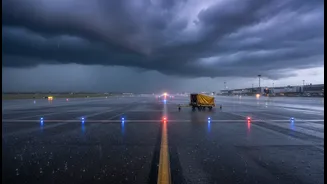
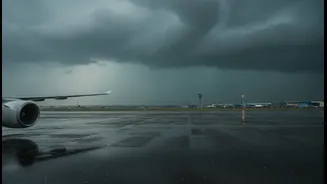
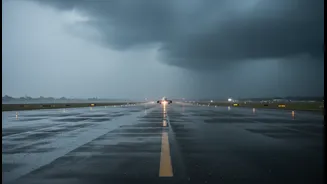
Even if you make it to the airport, the chaos is far from over. Heavy rain, strong gusty winds, and low visibility directly impact flight operations. In early July 2026, severe weather in Mumbai and Delhi led to dozens of flight diversions, temporary runway suspensions, and numerous cancellations. During one such event, Mumbai's airport had to suspend runway operations for an hour, leading to departure delays of around 75 minutes on average. Airlines like IndiGo and Air India frequently issue travel advisories during these periods, urging passengers to check their flight status before even leaving for the airport. The cascading effect of these delays means that even if the weather clears, schedules can be affected for the rest of the day.
Your Action Plan: How to Build a Buffer
The key to navigating airport travel during a red alert is proactive planning and building a generous time buffer. Don't just add an extra hour; consider doubling or even tripling your usual travel time to the airport, especially in cities known for waterlogging. Monitor traffic conditions in real-time using navigation apps. Before you leave, check your airline’s website or app for the latest flight status. Booking early morning flights can sometimes help, as monsoon rains often intensify in the afternoon and evening, but this is no guarantee. If possible, use metro services, which are often less affected by road waterlogging, to reach the airport.
Packing Smart and Staying Informed
Your preparation should extend to what you pack. Keep essentials like medications, a change of clothes, and a power bank in your carry-on luggage. A flight delay could become an overnight stay, and you don't want your crucial items in a checked bag you can't access. Stay constantly informed. Follow your airline on social media, enable app notifications, and keep an eye on news reports about traffic and weather conditions in your city. Remember that during a red alert, the situation is dynamic. A flight that's on time when you leave home could be delayed by the time you reach the terminal.