




The Wisdom of the Monsoon
For centuries, Ayurvedic physicians have regarded the monsoon season, or 'Varsha Ritu', as the most potent time for healing and rejuvenation. This isn't a modern marketing gimmick; it's a principle rooted in ancient texts. The specific period, known as 'Karkidakam'
in the Malayalam calendar (mid-July to mid-August), is traditionally when families would undertake restorative treatments to build strength and immunity for the year ahead. The belief is that the body, naturally weakened by the summer heat and with a more settled digestive system, is primed for detoxification and renewal. This seasonal wisdom transforms the rainy season from an atmospheric backdrop into an active component of the healing process itself.
How Rain Amplifies Healing
The magic of monsoon Ayurveda lies in simple science. The cool, humid, and dust-free atmosphere works in perfect synergy with traditional therapies. High humidity softens the skin and opens up the body's pores and channels, known as 'srotas'. This allows medicated oils and herbal preparations used in treatments like Abhyanga (oil massage) and Pizhichil (oil bath) to penetrate deeper into the tissues, making them significantly more effective. The cooler temperatures also mean that therapeutic oils remain on the body longer without being washed away by sweat, maximizing their absorption and impact. Essentially, the climate creates the ideal conditions for the body to receive, absorb, and benefit from the treatments on a much deeper level.
A Generation's Search for Calm
But why does this ancient practice resonate so strongly with millennials? This generation, often grappling with the pressures of a hyper-connected digital world, is increasingly seeking authentic, holistic wellness experiences over conventional holidays. There's a growing awareness of the side effects of conventional medicine and a preference for natural, preventative healthcare. An Ayurvedic retreat offers a stark contrast to their daily lives—it’s a forced slowdown, a digital detox, and a chance to reconnect with the body’s natural rhythms. The calming, introspective atmosphere created by the continuous rain provides the perfect mental and emotional space for healing, reducing stress and promoting relaxation. The appeal lies in its authenticity and the promise of a reset that is both physical and mental.
The Rhythm of a Retreat
A monsoon Ayurvedic retreat is a deeply immersive experience. It goes beyond simple spa treatments, often involving a comprehensive 'Panchakarma' detoxification program tailored to an individual's 'dosha' or body constitution. Days are structured around a rhythm of therapies, a specific diet, and gentle activity. A typical day might start with a consultation, followed by therapies like Shirodhara, where a continuous stream of warm oil flows over the forehead to calm the mind. The diet is a crucial component, often featuring a special medicated rice gruel called 'Karkidaka Kanji', which is designed to be easily digestible and boost immunity. This holistic approach, combining treatments, diet, and a serene environment, works to rebalance the body and strengthen its natural defences against illness.
Trading Sightseeing for 'In-seeing'
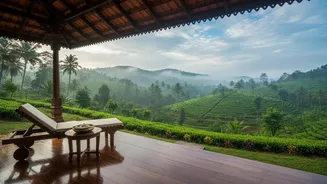
Ultimately, choosing a wellness retreat in Kerala during the monsoon is a conscious decision to trade a conventional, fast-paced vacation for an introspective journey. The rain naturally limits external activities, encouraging guests to turn inward. It's less about ticking off a list of sights and more about focusing on rest, recovery, and rejuvenation. For millennials burnt out on the demands of modern life, this opportunity to slow down is not a drawback but the main attraction. It is a profound act of self-care, choosing to align with the rhythms of nature in a place where the rain doesn't just fall—it heals. The lush, renewed landscape of Kerala in the monsoon becomes a mirror for the internal renewal that these retreats promise.