
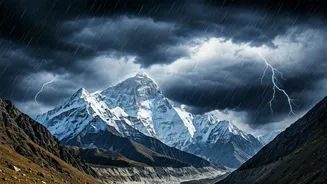


An Unseasonal Deluge
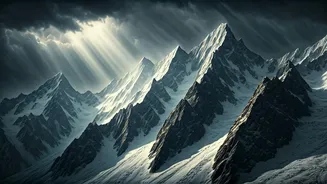
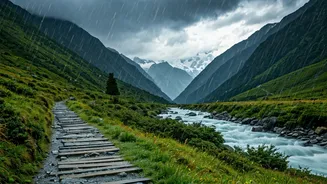
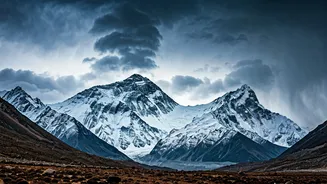
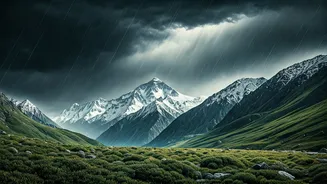
While forecasts track the slow northward journey of the Southwest Monsoon, a different weather story has been unfolding in the upper reaches of the country. States like Uttarakhand, Himachal Pradesh, and Jammu and Kashmir have been experiencing significant
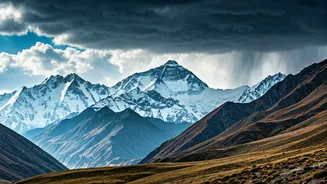
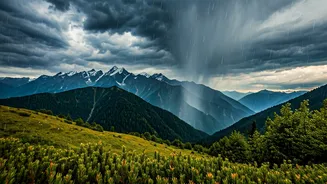
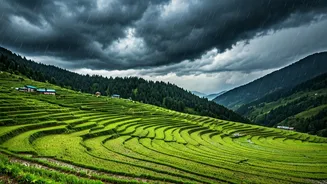
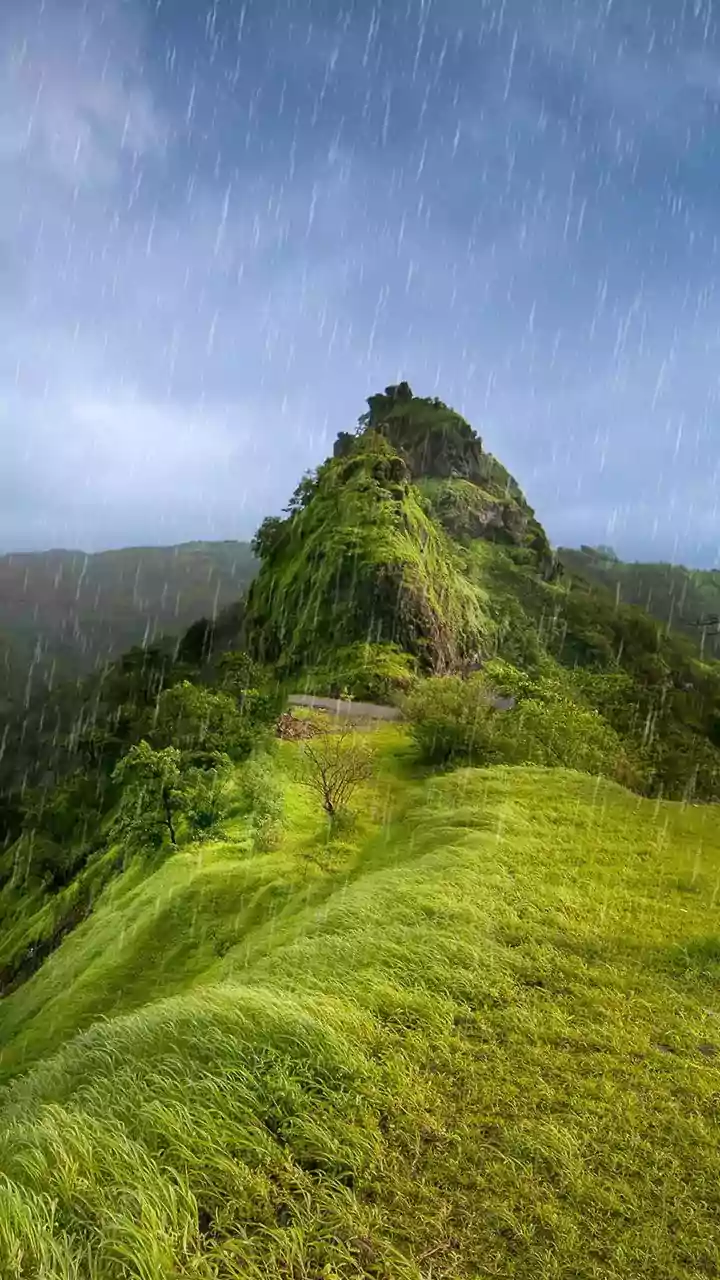
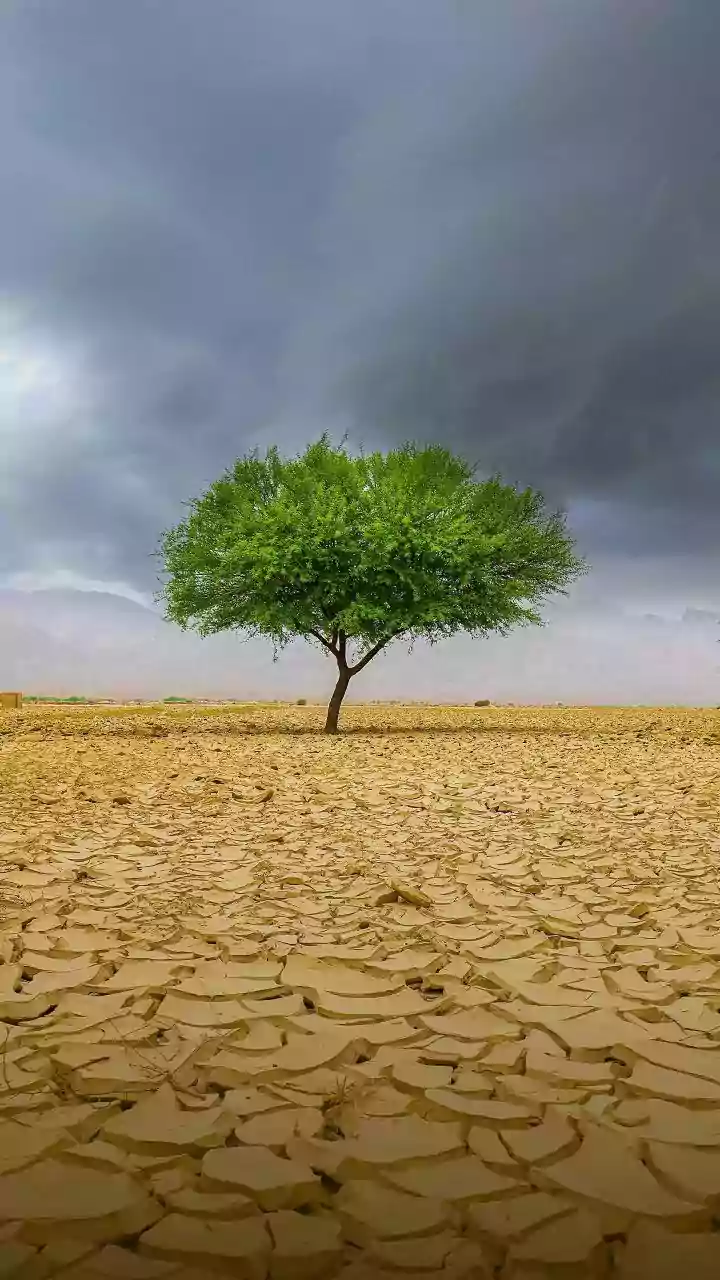
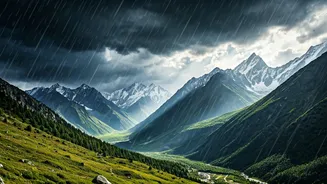
and widespread rainfall, and even unseasonal snowfall at very high altitudes, for weeks. This is not the gentle pre-monsoon shower; in many places, it has been a sustained period of wet weather, feeling more like the peak monsoon season itself. This has led to a peculiar situation: lush, green, and rain-washed hills at a time when the adjoining plains are still parched and baking in pre-monsoon heat.
The Culprit: Western Disturbances
The primary driver behind this early drenching is not the familiar monsoon system but a different weather phenomenon: Western Disturbances (WDs). These are essentially large, eastward-moving weather systems that originate over the Mediterranean Sea. Laden with moisture, they travel across the Middle East and Afghanistan before arriving over the Indian subcontinent. During winter, WDs are the main source of rain and snow in Northern India, crucial for the Rabi crop and replenishing Himalayan glaciers. While they weaken as summer approaches, they are also responsible for most pre-monsoon showers in the region. This year, however, these disturbances have been unusually frequent and active late into the season.
Why Are They So Active This Year?
Meteorologists point to a confluence of factors making this year's WDs particularly potent. A key element is the interaction of these disturbances with other weather patterns. For instance, sometimes an anticyclonic circulation (a high-pressure wind pattern) over the Arabian Sea can pump extra moisture from the sea northward. When a WD arrives, it taps into this abundant moisture, resulting in much heavier and more widespread precipitation than it would normally produce on its own. This combination transforms a standard pre-monsoon shower into a significant weather event capable of soaking the entire Himalayan belt for days on end.
The Climate Change Connection
It is difficult to attribute any single weather event directly to climate change, but the pattern fits with broader predictions. A warming world means a warmer atmosphere, and a warmer atmosphere can hold more moisture. This fundamental principle suggests that weather systems like Western Disturbances have the potential to become more intense, carrying and dumping more rain or snow. The increasing frequency of extreme weather events, including intense pre-monsoon activity, is seen by many climate scientists as a clear fingerprint of a changing climate. The 'new normal' may well involve more erratic and intense weather outside of the traditional monsoon window.
Impact on the Ground
This early rainfall is a mixed blessing for the Himalayan states. On the one hand, it has brought immense relief by helping to extinguish the devastating forest fires that raged across states like Uttarakhand. The moisture has replenished dried-up springs and water sources, crucial for local communities and agriculture. However, there is a dangerous flip side. The intense downpours on fragile, deforested slopes significantly increase the risk of landslides and flash floods, a constant threat in the geologically active Himalayan region. For tourists and pilgrims, it means unpredictable weather conditions and travel disruptions.
Does This Affect the Main Monsoon?
This is the question on everyone's mind in the plains. The short answer is: not directly. The Southwest Monsoon and Western Disturbances are two distinct meteorological systems driven by different large-scale forces. The monsoon is a seasonal wind shift driven by the heating of the landmass, while WDs are storm systems moving in the upper atmosphere. Therefore, heavy pre-monsoon rain in the Himalayas does not necessarily mean the monsoon will arrive earlier, be stronger, or weaker. The India Meteorological Department (IMD) tracks the monsoon's progress as a separate phenomenon. While there can be complex interactions where the two systems meet, the fate of the monsoon in the plains is still tied to its own dynamics.