




Why the Monsoon Magnifies Food Safety Risks
The monsoon season creates a perfect storm for food contamination. The high humidity and moisture in the air allow bacteria, viruses, and fungi to multiply rapidly. Heavy rains can lead to waterlogging, which often causes sewage to mix with water supplies
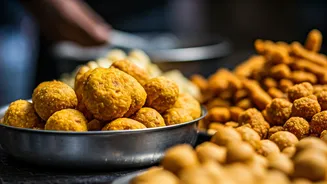
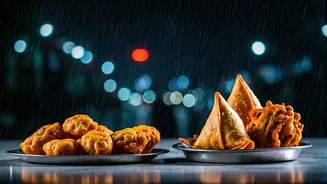
used for washing produce. This contaminated water can carry a host of pathogens. For vegetables, particularly leafy greens, the damp and muddy conditions on farms increase the chances of contamination that even thorough washing might not eliminate. Street food is especially vulnerable, as it's often exposed to the elements, dust, and flies, which can transfer germs from unsanitary surfaces directly onto your plate.
The Bugs to Look Out For
The term “stomach bugs” covers a range of microorganisms that can cause significant illness. During the monsoon, the risk of waterborne and foodborne diseases like Cholera, Typhoid fever, Hepatitis A, and Gastroenteritis increases sharply. Bacteria such as E. coli, Salmonella, and Vibrio cholerae thrive in these conditions. These pathogens can cause severe symptoms including diarrhoea, vomiting, high fever, and abdominal pain. While not always “deadly,” these infections can lead to severe dehydration and other complications, especially in children, the elderly, and those with weakened immune systems, sometimes requiring hospitalization.
The Problem with Raw Salads and Cut Fruits
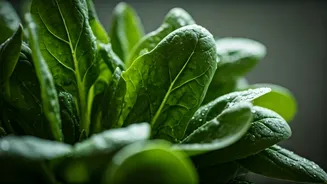
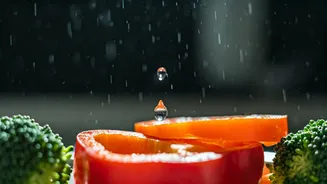
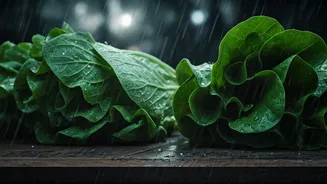
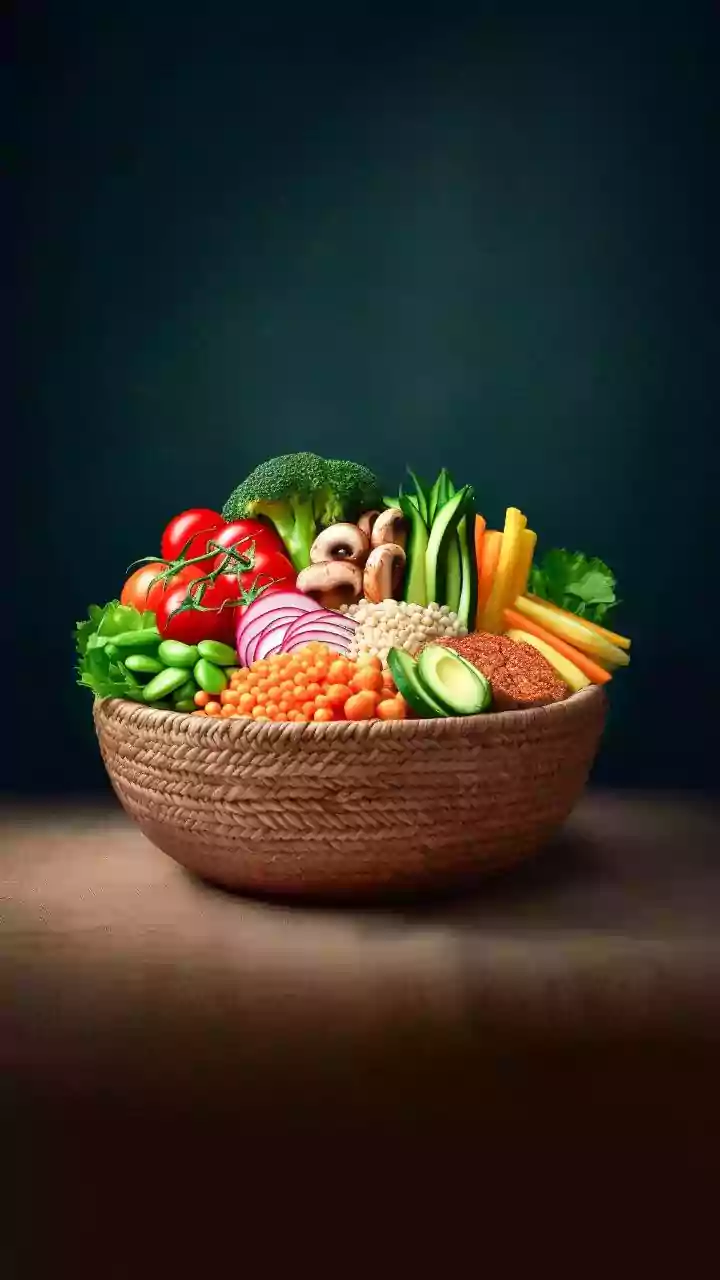
Raw vegetables are the primary concern. Leafy greens like spinach, lettuce, and cabbage have large surface areas and crevices where germs and even microscopic larvae can hide, making them difficult to clean completely. Similarly, cruciferous vegetables like cauliflower and broccoli have dense florets that trap moisture, dirt, and microbes. Roadside vendors often use tap water of questionable purity to wash these vegetables and may pre-cut fruits and salads hours in advance, giving bacteria ample time to grow. Consuming anything raw or undercooked significantly elevates your risk of ingesting these harmful microorganisms.
Signs of a Stomach Infection to Take Seriously
A mild stomach upset might resolve on its own, but some symptoms warrant immediate medical attention. Be alert for persistent diarrhoea, severe vomiting, high fever, and intense abdominal cramps. Other warning signs include blood in your stool, signs of dehydration (like dizziness, dry mouth, and reduced urination), and jaundice (yellowing of the skin or eyes), which can be a symptom of Hepatitis A. If you experience any of these severe symptoms, especially after eating outside, it is crucial to consult a doctor instead of self-medicating.
Safer Food Choices for a Healthy Monsoon
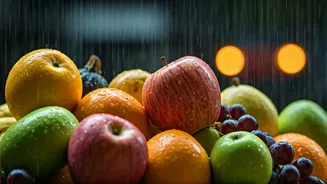
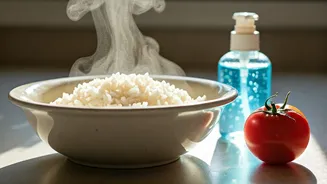
The golden rule for monsoon food safety is simple: eat freshly cooked, hot meals. Cooking food to a high temperature effectively kills most harmful bacteria and viruses. Instead of raw salads, opt for steamed or lightly cooked vegetables. Choose seasonal and local vegetables that are easier to clean, such as bottle gourd (lauki), bitter gourd (karela), and ridge gourd (turai). If you must have fruits, choose those with thick peels that you can remove yourself just before eating, and wash them thoroughly under clean running water first. The Food Safety and Standards Authority of India (FSSAI) emphasizes washing all produce properly, maintaining personal hygiene by washing hands with soap, and using clean water for all cooking. Ultimately, preparing meals at home is the safest way to control hygiene and enjoy the season without risking your health.