





Choose Your Aromatic Champions
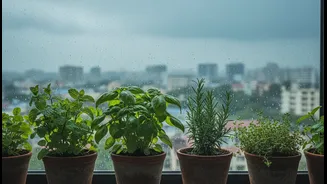
The first step to a successful balcony garden is selecting the right plants. Not all herbs are suited for compact living. Focus on those that are naturally compact, thrive in pots, and offer high rewards in flavour and fragrance. Herbs like mint, tulsi
(holy basil), parsley, chives, thyme, and oregano are excellent choices for Indian homes. They are relatively low-maintenance and well-suited to container life. Basil, in particular, loves a sunny windowsill, while chives and parsley can tolerate slightly lower light conditions. Mint is famously vigorous and grows quickly, but it's best to give it a separate pot, as its roots tend to spread and can overwhelm other plants.
Embrace the Vertical Advantage
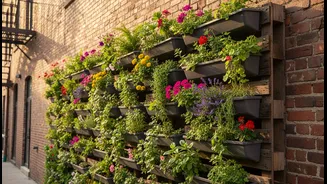
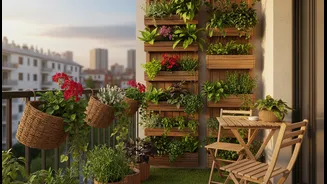
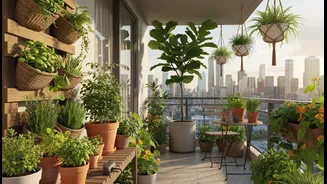
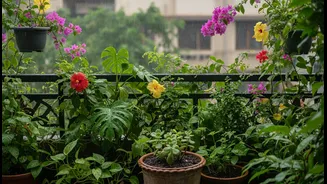
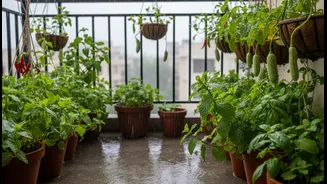
When floor space is at a premium, the only way to go is up. Vertical gardening is the key to multiplying your growing area without creating clutter. This can be as simple as installing a few shelves or a tiered plant stand. Another highly effective method is using a trellis or a lattice panel against a wall, which you can hang small pots from using S-hooks. Fabric pocket planters are another lightweight option that can turn a bare wall into a living tapestry of greenery. These vertical strategies not only save precious floor space for a chair or small table but also create a lush, private-feeling oasis.
Select Smart, Lightweight Containers
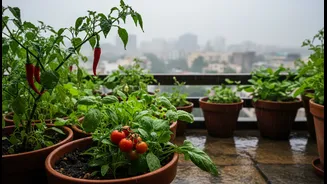
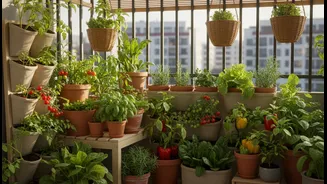
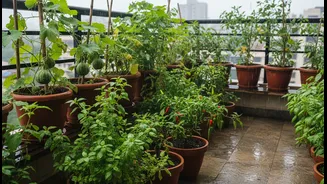
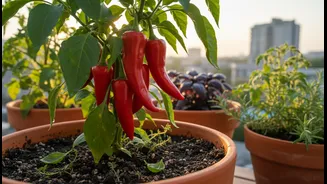
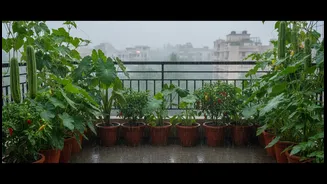
The right container can make all the difference on a small balcony. Heavy ceramic or terracotta pots can add significant weight, so consider lightweight alternatives like resin, plastic, or fabric grow bags. Railing planters are one of the most efficient uses of space, allowing you to cultivate a line of herbs without taking up a single inch of the floor. Window boxes are also perfect for shallow-rooted herbs like thyme, oregano, and chives. Whatever you choose, ensure every pot has adequate drainage holes to prevent waterlogging and root rot, a common issue in container gardening. You don't need expensive pots; simple recycled containers like plastic bottles or old tubs work perfectly well.
Sunlight and Water: The Balcony Microclimate
A balcony has its own microclimate. It might get intense reflected heat from a window or be shaded by an overhang or adjacent buildings. Before you start, observe how many hours of direct sunlight your balcony receives. Most herbs, like rosemary, basil, and thyme, need at least four to six hours of sun to thrive. Sun-loving herbs should be placed in the brightest spots, perhaps on higher tiers or on the railing, while those that tolerate some shade, like mint and parsley, can go in less sunny corners. Pots on a balcony also dry out faster than plants in the ground, so you'll need to check the soil moisture regularly, especially during hot weather.
Harvest Often for Bushier Growth
The true joy of an herb garden is using it. Regular harvesting is not just rewarding for your kitchen; it's essential for the plants' health. Trimming your herbs frequently encourages them to grow bushier and more compact, preventing them from becoming tall and leggy. For leafy herbs like basil and mint, pinch off the top sets of leaves regularly. With woody herbs like rosemary and thyme, you can snip off the top few inches of growth. This constant pruning provides a steady supply of fresh flavours for your daily cooking and helps maintain the tidy, efficient layout of your small-space garden.