


The Fact That Has Everyone Talking
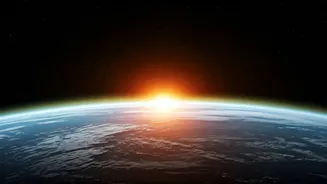
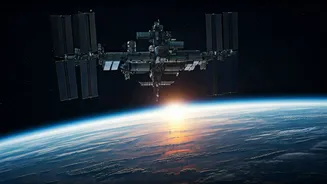
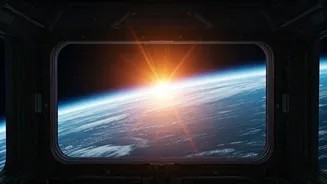
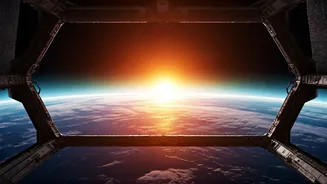
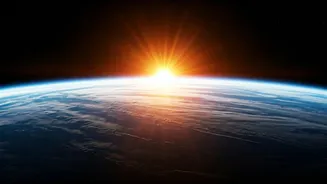
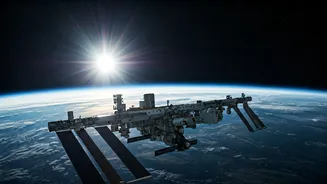
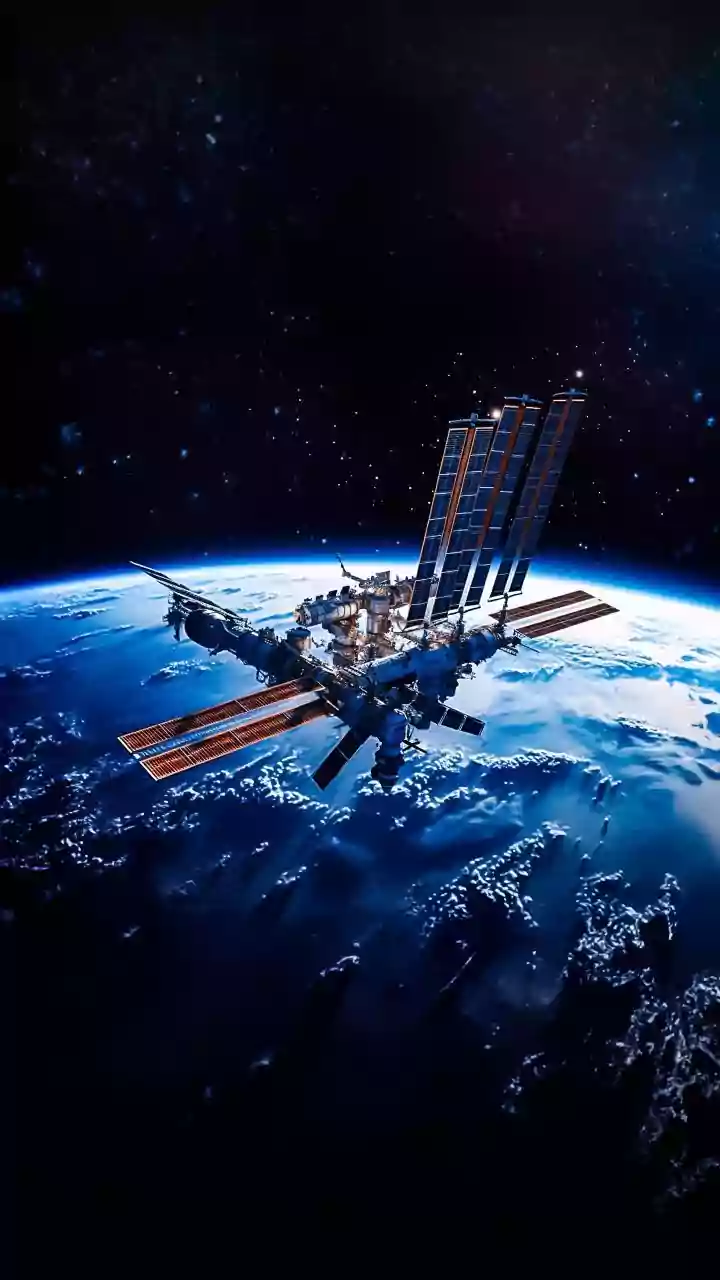
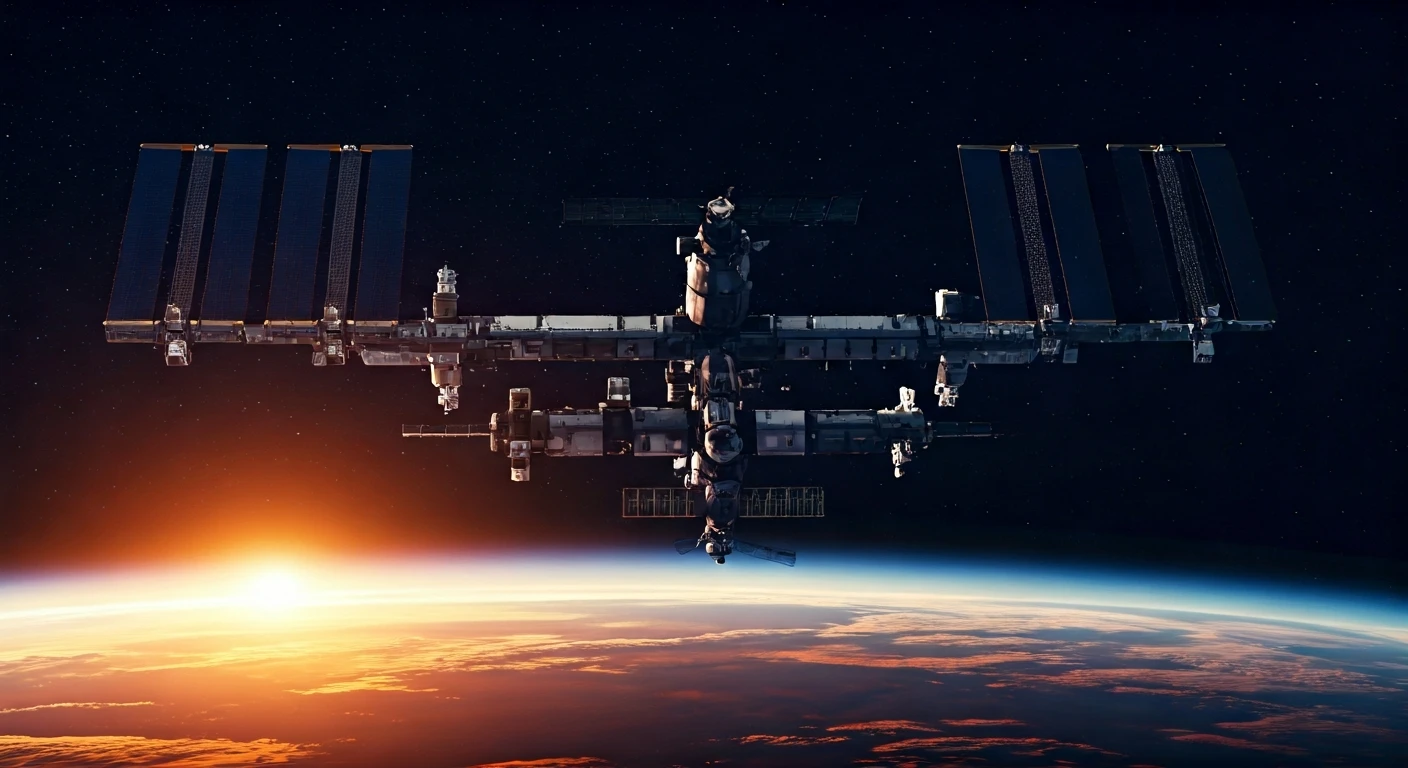
The incredible fact captivating the internet is this: astronauts aboard the ISS experience 16 sunrises and 16 sunsets every single day. While we on Earth get just one of each, the crew of the space station lives in a rapid-fire cycle of light and dark.
This isn't science fiction; it's a result of pure physics and astounding speed. The ISS hurtles around our planet at a staggering 28,000 kilometres per hour, or about 8 kilometres per second. At that velocity, it completes a full orbit of the Earth in approximately 90 minutes. As a result, every hour and a half, the station and its inhabitants pass from the sunny side of the planet to the night side, and back again, creating this mesmerising daily spectacle.
What 16 Sunrises Feel Like
For the astronauts, each sunrise and sunset lasts only a few seconds. From their vantage point in the station's seven-windowed Cupola observatory, they witness the terminator—the line between day and night on Earth—sweeping across the planet below at an incredible pace. This constant cycling has a profound effect on human biology. Our bodies are naturally tuned to a 24-hour cycle, or circadian rhythm. To combat the disorienting effect of 16 sunrises, the ISS operates on a strict 24-hour schedule based on Coordinated Universal Time (UTC). The station's internal lighting system was even upgraded with special LEDs that shift in colour temperature throughout the day—bluer in their 'morning' and warmer in their 'evening'—to help trick their bodies into maintaining a normal sleep pattern.
They Drink Yesterday's Coffee
While the sunrises are amazing, they are just the beginning of the station's extraordinary reality. Another fact that often astounds people is the ISS's advanced water recycling system. Nothing goes to waste. The station’s Environmental Control and Life Support System (ECLSS) recycles about 98% of all water on board. This includes moisture from the crew's breath and sweat, which is captured from the cabin air, as well as wastewater from hygiene and, yes, even urine. The collected water goes through a highly advanced purification process, and NASA officials stress that the resulting drinking water is purer than what most people drink on Earth. This technology is not just for convenience; it's critical for enabling long-duration missions to the Moon and Mars, where resupplying water from Earth won't be an option.
The Unique 'Smell of Space'
You can't technically smell space itself because it's a vacuum, but astronauts consistently report a very distinct odour after a spacewalk. When they return to the airlock and remove their helmets, their suits and tools carry a unique scent they describe as 'the smell of space'. The descriptions vary but often include metallic odours like burnt steak, hot metal, and welding fumes. Some have even compared it to spent gunpowder. Scientists have a few theories for this. One is that during a spacewalk, single atoms of oxygen can stick to the fabric of the spacesuit. When these atoms enter the pressurised airlock, they combine with molecular oxygen to form ozone, which has a sharp, acrid smell. Another theory points to polycyclic aromatic hydrocarbons, smelly compounds found in burnt food and oil, that are also present in space.
A Football Field in the Sky
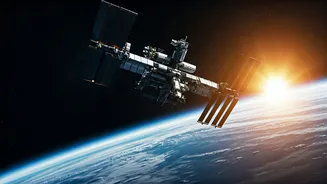
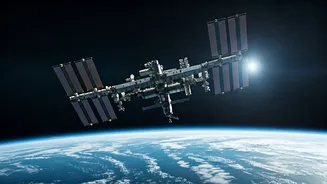
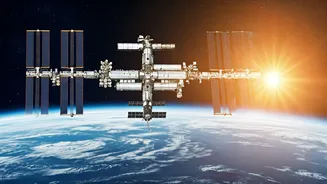
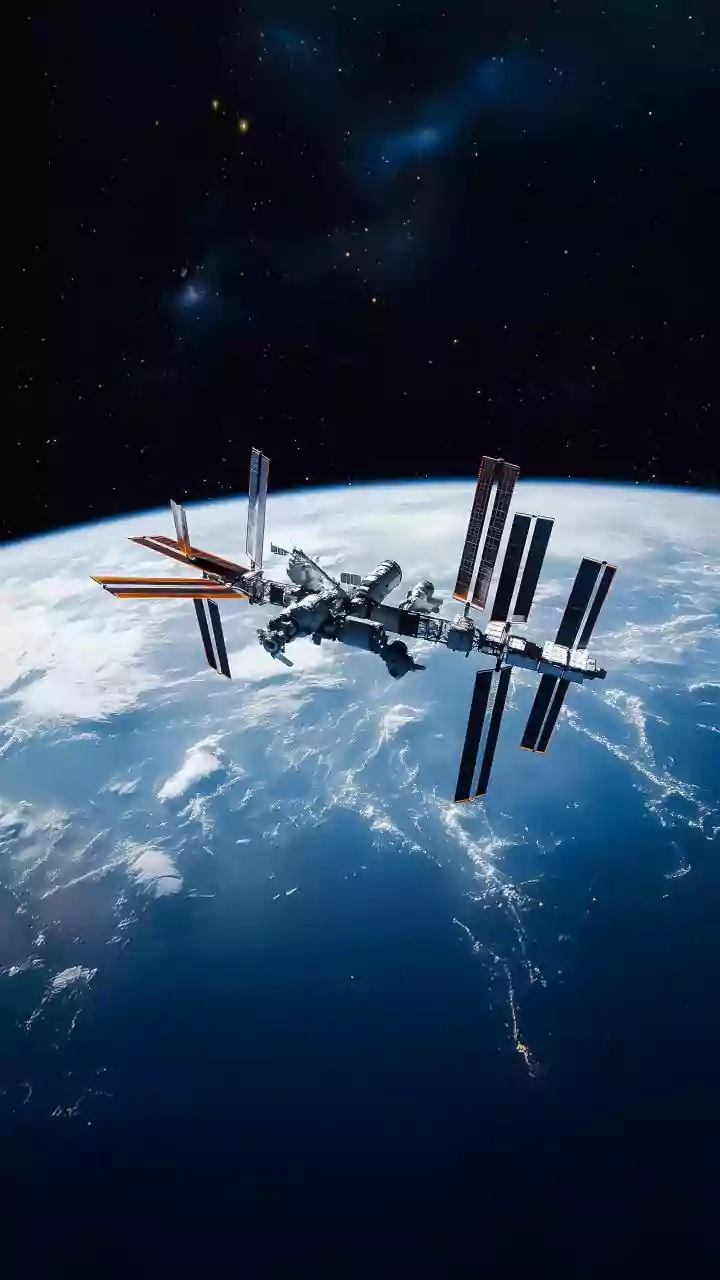
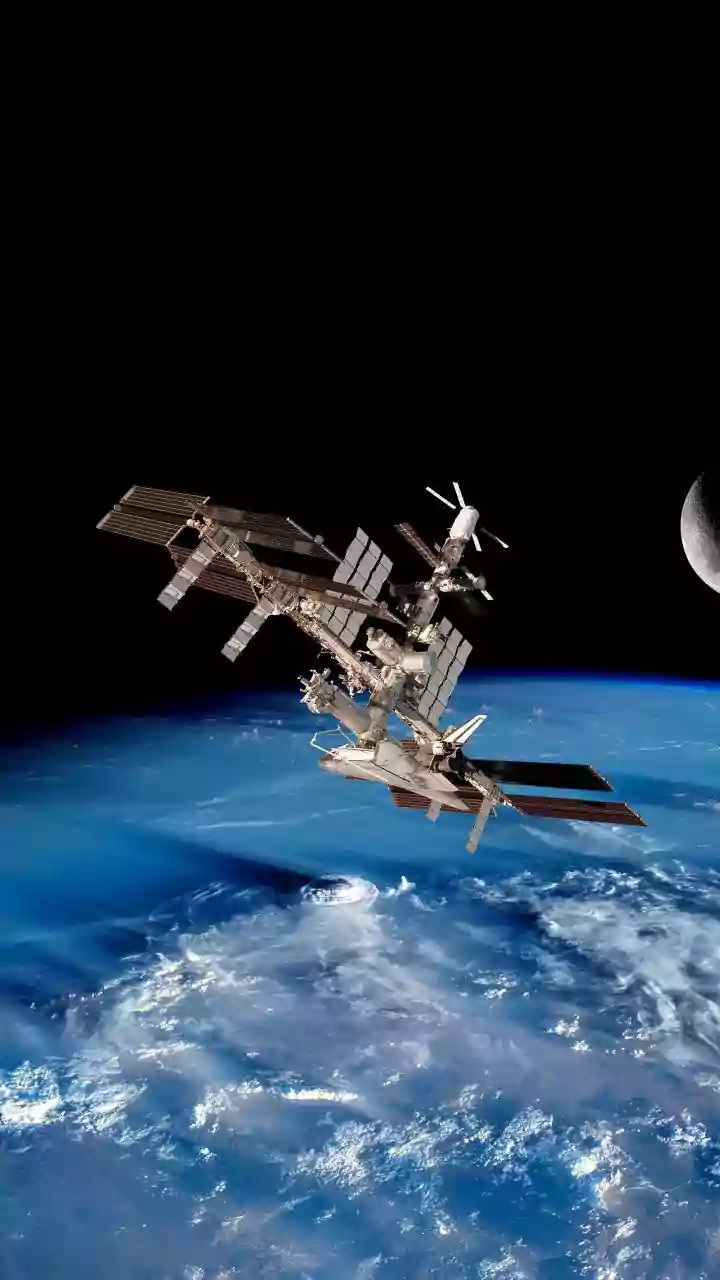
The International Space Station is the single largest and most expensive object ever built by humans in space. Its sheer scale is difficult to comprehend. End to end, its solar arrays stretch 109 metres, which is about the same length as a football field. It weighs nearly 420,000 kilograms on Earth. This colossal structure wasn't launched in one piece. It was assembled module by module in orbit over more than a decade, requiring over 100 space flights and numerous spacewalks. Inside, the pressurised volume where the astronauts live and work is roughly equivalent to the interior of a Boeing 747 jumbo jet, featuring two bathrooms, a gym, and six sleeping quarters.