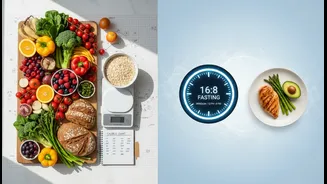









What Exactly Is Intermittent Fasting?
Intermittent fasting (IF) isn’t a diet in the traditional sense; it's an eating pattern that cycles between periods of eating and voluntary fasting. Instead of telling you which foods to avoid, it sets a schedule for your meals. The goal is to extend
the time your body spends in a fasted state. After about 10 to 12 hours without food, your body exhausts its readily available sugar stores and begins burning stored fat for energy, a process known as metabolic switching. There are several popular methods. The 16:8 method involves fasting for 16 hours each day and eating during an 8-hour window. Another common approach is the 5:2 diet, where you eat normally for five days a week and significantly restrict calories (to about 500-600) on the other two days.
The Appeal of Structure Over Restriction
For many people tired of counting calories or eliminating food groups, the primary appeal of IF is its simplicity. It provides a clear, rule-based structure that can reduce decision fatigue. A recent study from the University of Adelaide found that while IF and traditional calorie restriction resulted in similar weight loss, the fasting group reported less mental effort. They didn't feel the need to constantly monitor their food intake to achieve results. This psychological shift could be key to its sustainability; if a plan feels less burdensome, people may be more likely to stick with it long-term. This focus on timing rather than content can make social situations easier to navigate and may help people build a more intuitive relationship with their hunger signals over time.
What the Evidence Says
Research into intermittent fasting has uncovered several potential health benefits. Studies have linked it to weight loss, improved heart health markers like blood pressure, and better brain function, including memory. Some research also suggests it can improve insulin sensitivity, which is crucial for managing or preventing type 2 diabetes. However, when it comes to weight loss, the big question is whether IF is superior to traditional calorie counting. Multiple large-scale reviews have concluded that when the total number of calories consumed is the same, both methods are about equally effective. A 2026 Cochrane review, considered a gold standard for medical evidence, found that the difference in weight loss between IF and conventional diets was statistically insignificant. So, while IF is a valid tool for weight management, it doesn't appear to be a magical solution that works independently of calorie intake.
Sustainability and Potential Downsides
While some find the structure of IF sustainable, it isn't without challenges. The initial side effects can include hunger, headaches, fatigue, and irritability, though these often fade as the body adjusts. Maintaining a restricted eating window can also be socially awkward, making dinners with friends or family celebrations difficult. Furthermore, some health professionals caution that focusing on restrictive eating windows could increase the risk of binge eating or other disordered eating patterns in susceptible individuals. The best eating pattern is ultimately one that you can maintain consistently without negative physical or psychological effects. Some studies suggest that nearly a third of participants continue practicing IF voluntarily after a trial, indicating it is a practical choice for a significant number of people.
Who Should Be Cautious?
Intermittent fasting is considered safe for many, but it is not recommended for everyone. Individuals under 18, women who are pregnant or breastfeeding, and people with a history of eating disorders should avoid it. Those with certain medical conditions, especially type 1 diabetes, should also steer clear due to risks of unsafe blood sugar drops. Additionally, some dietitians express concern for women in perimenopause and people over 65, as fasting can sometimes impact hormones or make it difficult to consume enough protein to prevent age-related muscle loss. It is always best to consult with a doctor before making any significant changes to your eating patterns.