



Rule 1: Acclimatise to Avoid Sickness
Acute Mountain Sickness (AMS) is the single biggest risk to your trip. It can affect anyone, regardless of age or fitness. AMS occurs when your body doesn't adjust to the lower oxygen levels at high altitudes, typically above 2,500 metres. Symptoms include
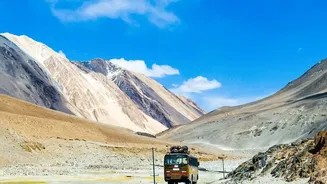
persistent headaches, nausea, dizziness, and fatigue. The golden rule is to ascend slowly. The route from Shimla to Kaza is highly recommended for first-timers as it allows for a gradual climb over several days, giving your body time to adjust. In contrast, the Manali-Kaza route involves a rapid ascent to high passes like Kunzum La (4,551 metres) in a short time, significantly increasing AMS risk. Hydrate constantly, avoid alcohol, and get adequate rest. If symptoms appear, stop ascending and rest. If they worsen, the only cure is to descend to a lower altitude immediately.
Rule 2: Prepare Your Vehicle Thoroughly
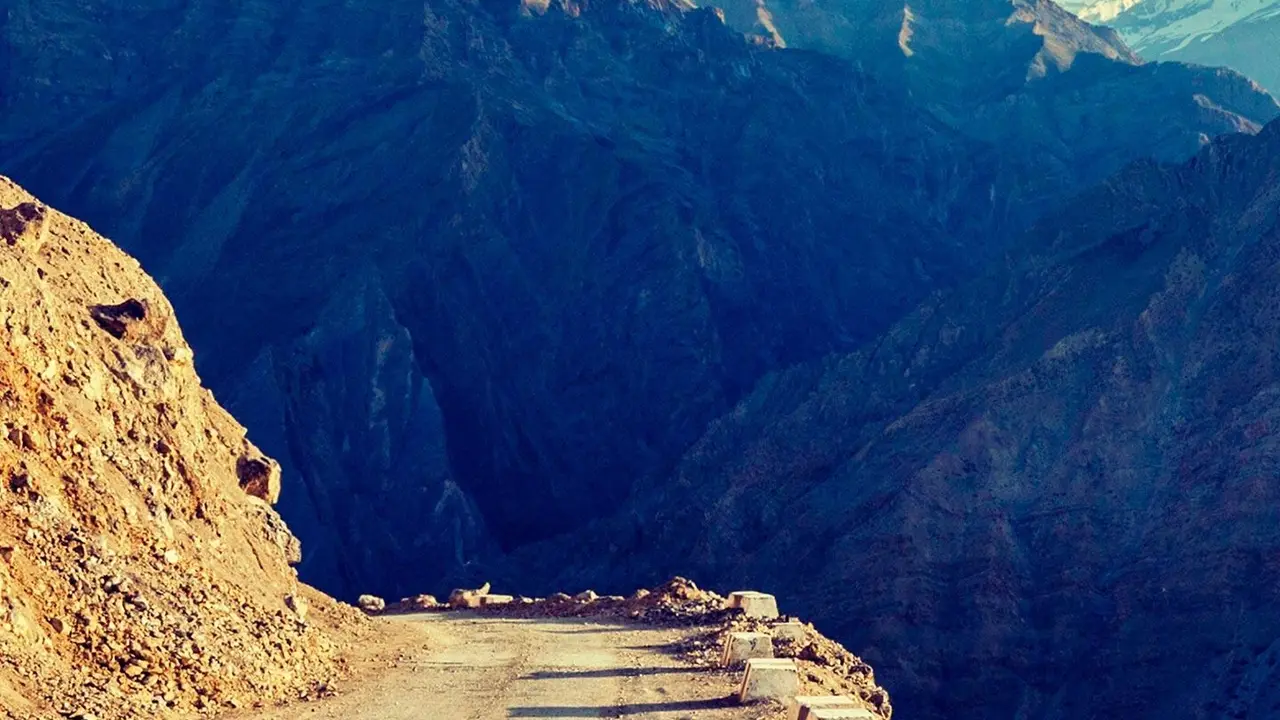
Spiti's roads are notoriously tough, a mix of paved sections and treacherous gravel tracks. Before you start, your vehicle needs a comprehensive check-up. While an SUV with high ground clearance is ideal, even sedans can manage the Shimla route with careful driving. Ensure your brakes, clutch, and suspension are in top condition. Check all fluids, especially coolant and engine oil, as engines are under constant strain. Tyres should have ample tread; all-terrain tyres are a wise investment. Get your car serviced at least a week before the trip and drive it for a few hundred kilometres to spot any post-service issues. The unpredictable terrain means even a simple flat tyre can become a major problem, so be prepared.
Rule 3: Know the Autumn Road Risks
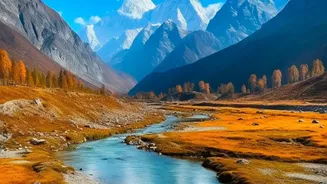
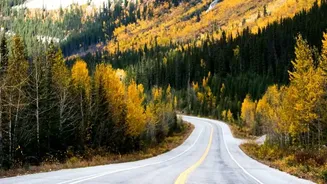
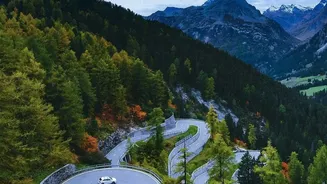
Autumn (late September to October) is a transitional season in Spiti. While the landscapes are stunning, the weather can be fickle. The Manali-Kaza highway via Kunzum Pass often closes by mid-to-late October due to early snowfall. A major hazard during this period is black ice—a thin, invisible layer of ice that forms on the road, especially in shaded areas and after sunset. It is extremely dangerous and can cause a complete loss of control. Temperatures can drop below zero at night, even if days are sunny. Always check the road status before you travel, especially for high passes. Plan to drive only during daylight hours to avoid the highest risk of ice and to have better visibility on the narrow, winding roads.
Rule 4: Master High-Altitude Driving Techniques
Driving in the mountains is a skill. On steep ascents, use lower gears to maintain engine power without straining it. When descending, use engine braking by staying in a low gear instead of riding the brakes, which can cause them to overheat and fail. The unwritten rule on narrow mountain roads is to give way to uphill traffic. Honk on blind curves to alert oncoming vehicles. Overtaking is extremely hazardous and should be avoided unless you have a long, clear stretch of road. Maintain a safe distance from the vehicle ahead, as stopping distances are longer on inclines and gravel surfaces.
Rule 5: Pack an Emergency Kit
Mobile connectivity is scarce to non-existent in most of Spiti Valley. You must be self-reliant. Your car should have a well-stocked emergency kit. This includes a basic toolkit, a reliable air compressor, and a puncture repair kit. Carry extra fuel in a proper jerry can, as petrol pumps are few and far between. Your personal kit must include a first-aid box with medications for headache, fever, and stomach issues, as well as any prescribed AMS medication like Acetazolamide (consult a doctor first). Also pack high-energy snacks like dry fruits and energy bars, plenty of water, layered warm clothing, a powerful torch, and a high-capacity power bank for your devices.