

Your Pantry Power Players
The secret to spontaneous, delicious meals lies in a well-stocked pantry. You don't need dozens of specialty items, just a few versatile workhorses. Think of these as your core team: legumes like dried lentils (which cook quickly) and canned beans (like
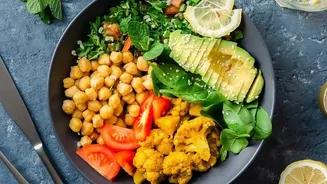
chickpeas and black beans) offer protein and heft. Grains such as rice, quinoa, or even pasta provide a comforting base. For flavor, always have onions and garlic on hand. Canned tomatoes, whether crushed or diced, and a tube of tomato paste are non-negotiable for building deep, savory sauces. Finally, a good quality vegetable broth and a neutral cooking oil are the unsung heroes that bring everything together.
The Art of Building Flavor
A truly 'rich' vegetarian meal is all about layering flavors from the ground up. This is where technique transforms simple ingredients into something special. Always start by sautéing your aromatics—diced onion, garlic, or even celery and carrots—in oil until they soften and become fragrant. This creates a foundational layer of sweetness. Next, 'bloom' your dried spices. Add spices like cumin, smoked paprika, or curry powder to the hot oil for about a minute before adding any liquids. This simple step toasts the spices, intensifying their flavor dramatically. For an even deeper umami kick, stir in a tablespoon of tomato paste or a splash of soy sauce and cook it for a minute until it darkens. This process of browning and caramelizing is what creates complexity and a satisfying, 'meaty' taste without any meat.
Hearty Heroes: Legumes and Grains
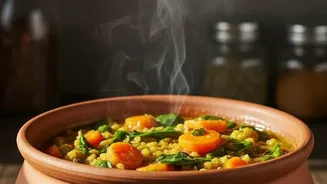
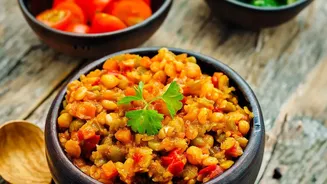
Once your flavor base is established, it's time to add the substance. This is where your pantry staples truly shine. For a stew-like consistency, rinse some dried red lentils and add them directly to the pot with your liquid. They'll break down as they cook, naturally thickening the sauce and creating a creamy texture. For more distinct texture, use canned chickpeas, black beans, or kidney beans—just rinse them well before adding. If you're incorporating grains like rice or quinoa, you can often cook them directly in the same pot. Just ensure you have the correct ratio of grain-to-liquid (usually 1:2) and allow enough time for them to cook through, absorbing all the flavors you've built.
The Right Liquid Base
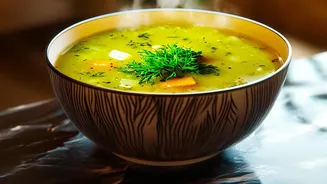
The liquid you choose is what will meld all the ingredients into a cohesive, bubbling pot of deliciousness. Vegetable broth is a great default, offering more depth than plain water. For a creamier, more decadent result, full_fat coconut milk is a game_changer, especially in curries and stews with sweet potatoes or chickpeas. Even the liquid from canned tomatoes contributes to the sauce. The key is to add enough liquid to cover the ingredients, allowing everything to simmer gently and the flavors to marry. You can always add a little more if the pot looks dry, or let it simmer uncovered to thicken if it's too thin.
The Finishing Flourish
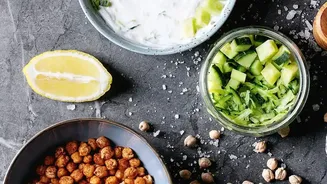
What separates a good meal from a great one often comes down to the final moments. Just before serving, introduce a 'finishing touch' to brighten and elevate the entire dish. A squeeze of fresh lemon or lime juice cuts through the richness and makes all the other flavors pop. A handful of fresh, chopped herbs like cilantro or parsley adds a burst of freshness and color. For extra creaminess or a cooling contrast, a dollop of plain yogurt (or a vegan alternative) can be perfect. Even a sprinkling of toasted nuts or seeds adds a delightful final crunch. This last step takes only a moment but makes a world of difference.