


Choose Your Container and Seeds
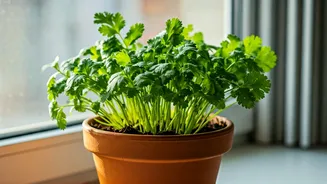
The first step to your windowsill garden is selecting the right home for your coriander. You don’t need anything fancy. A simple rectangular pot, around 6-8 inches deep, is perfect. The most crucial feature is drainage holes at the bottom to prevent waterlogging,
which coriander plants despise. As for seeds, you have two options. You can buy a packet of coriander seeds from a nursery, which are bred for good germination. Alternatively, you can use the whole coriander (sabut dhaniya) from your own kitchen masala box! Just gently crush the whole seeds into two halves before sowing. This process, called splitting, breaks the seed husk and significantly improves the chances of germination.
Prepare the Perfect Potting Mix
Coriander thrives in soil that is light, airy, and drains well, but still holds enough moisture. You can buy a ready-made potting mix, but creating your own is simple and effective. A fantastic blend for container gardening is an equal-parts mixture of regular garden soil, cocopeat, and compost (like vermicompost). The soil provides structure, the cocopeat retains moisture and keeps the mix light, and the compost provides essential nutrients for lush, green growth. Mix these three components thoroughly until you have a uniform, crumbly texture. Fill your chosen pot with this mixture, leaving about an inch of space at the top.
Sowing for a Lush Harvest
Now for the exciting part: sowing the seeds. Sprinkle your split coriander seeds evenly across the surface of the soil. Don't worry about perfect spacing; a dense sowing will result in a thick, bushy plant. Once scattered, cover the seeds with a thin layer of the same potting mix, about half an inch deep. Gently press the soil down with your palm to ensure the seeds have good contact with the soil. Finish by watering the pot gently using a sprayer or a can with a fine rose. The goal is to make the soil thoroughly moist, but not a soggy mess. The initial watering is crucial for triggering germination.
Sunlight and Watering Wisdom
Finding the right balance of sun and water is key to a happy coriander plant. Place your pot on a windowsill that receives at least 4-5 hours of sunlight daily. Morning sunlight is ideal, as the harsh afternoon sun can sometimes scorch the delicate leaves. When it comes to watering, the rule is to keep the soil consistently moist. Check the top inch of the soil with your finger; if it feels dry, it's time to water. In hot Indian weather, this might mean watering a small amount every day. Avoid overwatering, as it can lead to root rot and yellowing leaves, a common reason many windowsill gardens fail.
Harvesting to Encourage More Growth
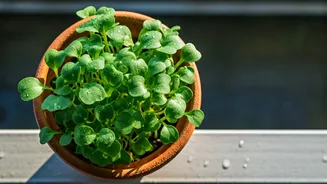
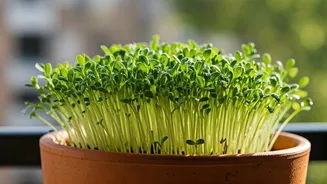
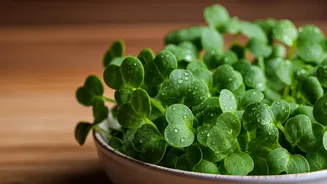
In about three to four weeks, you'll see your tiny seeds sprout into vibrant green shoots. Once the sprigs are about 4-6 inches tall, you can begin harvesting. The secret to a continuous supply is the 'cut-and-come-again' method. Instead of pulling up the entire plant, use a pair of scissors to snip off the outer, more mature leaves first. Always leave the inner, younger leaves at the centre of the plant intact. This encourages the plant to keep producing new foliage from its core, giving you a steady harvest for several weeks from a single sowing.
Troubleshooting Common Issues
Even with the best care, you might encounter a few hiccups. If your leaves are turning yellow, it's often a sign of overwatering or a lack of nutrients. Reduce the frequency of watering and consider adding a diluted liquid fertilizer every few weeks. If you notice your plant starting to produce flowers (a process called 'bolting'), it means it's nearing the end of its life cycle, often triggered by heat stress. At this point, you can harvest all the remaining leaves, as their flavour will decline once the plant flowers. Bolting is natural, so don't be discouraged. Simply start a new pot for your next batch!