






A Different Kind of Trek
When you think of trekking in India, you might picture Himalayan passes or lush Western Ghats forts. But Gokarna offers something entirely different: a coastal trek. Instead of ascending a single peak, this trail involves hopping from one pristine beach
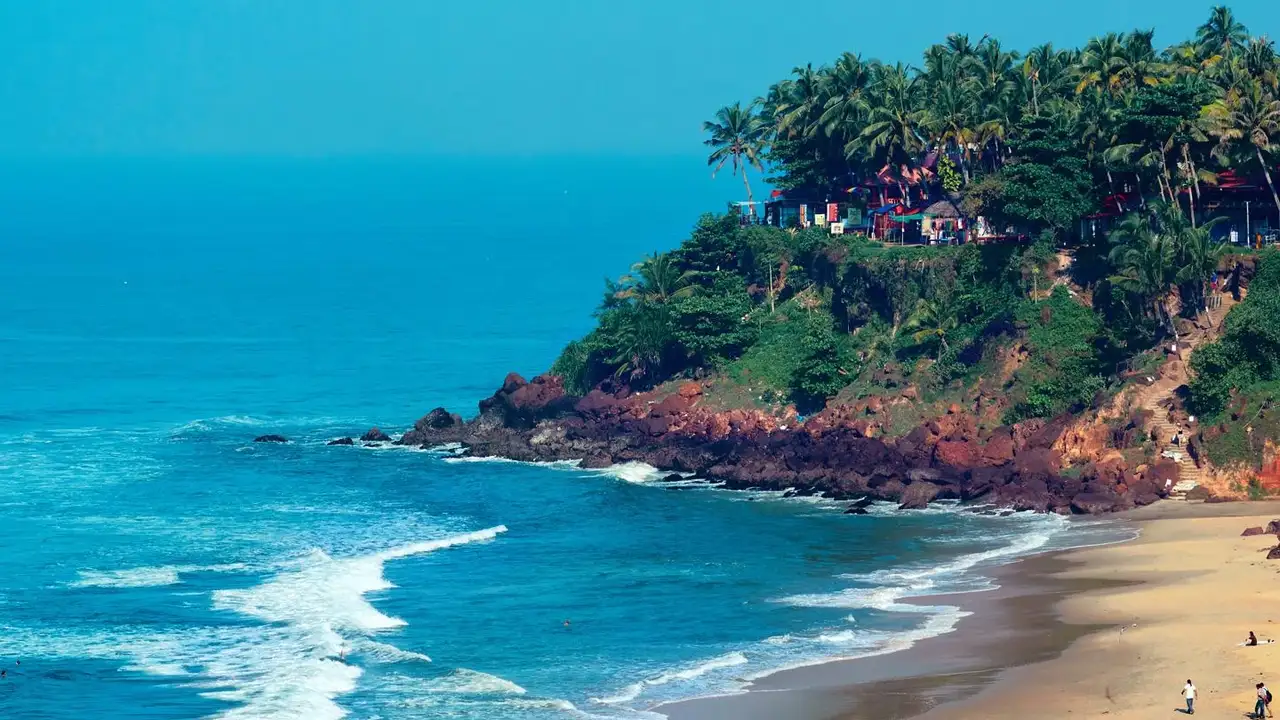
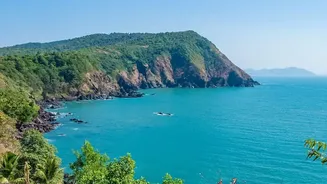
to another by hiking over the intervening headlands. The route connects iconic beaches like Kudle, Om, Half Moon, and Paradise, each separated by small hills covered in foliage. The path, approximately 8-10 kilometres long, alternates between sandy shores, rocky cliffs, and forested trails, providing constantly changing scenery and panoramic sea views. This unique geography means the best beaches are often inaccessible by road, naturally filtering out large crowds and preserving a tranquil atmosphere. It’s an adventure that combines the thrill of a hike with the bliss of a beach holiday.
The Classic Beach-Hopping Route
The most popular trekking route runs south, starting near Gokarna town and ending at the most remote stretch of sand. The entire journey can take four to six hours, depending on how long you linger at each stop. The trail typically begins at Kudle Beach, a wide, crescent-shaped shore known for its relaxed vibe. From there, a 20-30 minute walk over a hill brings you to the famous Om Beach, named for its natural shape resembling the sacred Hindu symbol. While Om Beach has road access and is thus the busiest, it serves as a great pit stop. The next section, a cliff-hugging trail from Om to Half Moon Beach, is often considered the most scenic part of the trek. Half Moon is a tiny, secluded cove accessible only on foot or by boat. The final push takes you through a forested path to Paradise Beach, a small, quiet cove that truly feels like a reward for your efforts.
What to Expect on the Trail
Rated easy to moderate, the Gokarna beach trek is manageable for most beginners with a reasonable level of fitness. The path is a mix of well-trodden trails, sandy walks, and some rocky, uneven sections that require careful footing, particularly on the stretches leading to Half Moon and Paradise beaches. While a guide isn't necessary as the trail is mostly intuitive, looking for trail markings like red and white paint on rocks can help. The real challenge isn't the difficulty, but the sun and humidity. Starting early in the morning (around 7 AM) is crucial to avoid the harsh midday sun. You'll be rewarded with cooler temperatures, softer light for photos, and fewer people on the trail. Most of the path is exposed to the sun, so protection is key.
Essential Gear and Preparation
Packing light is essential, but a few items are non-negotiable for a safe and comfortable trek. First and foremost: sturdy footwear. While you might be tempted to wear flip-flops, a pair of comfortable walking shoes or trekking sandals with good grip is crucial for the rocky sections. Carry at least two litres of water per person to stay hydrated. Sunscreen, a wide-brimmed hat, and sunglasses are vital to protect against the sun. Pack lightweight, quick-drying clothes, as you'll likely be sweating and may want to take a dip in the sea along the way. A small daypack can hold your water, some high-energy snacks, a basic first-aid kit, and a power bank for your phone.
The Best Time for Your Adventure
Timing your trip correctly is key to enjoying the trek. The ideal window to visit Gokarna for trekking is from October to March. During these post-monsoon and winter months, the weather is dry and pleasant, the trails are safe, and the sea is calm. This is also when the beach shacks and cafes are open, providing welcome spots for rest and refreshment. Avoid the monsoon season (June to September), as heavy rains make the cliffside trails slippery and dangerous. The summer months of April and May can be extremely hot and humid, making the trek strenuous and uncomfortable.