





Not Just a Pet, But Family
The driving force behind the shiny new bags of expensive pet food is a simple, powerful emotion: love. A significant cultural shift, often called 'pet humanization', is sweeping across urban India. Today's pet owners often refer to themselves as 'pet parents',
and their furry companions are their 'fur babies'. This change in perspective means pets are seen as integral family members deserving of the same care and consideration as anyone else in the household. This emotional bond is fueling a desire to provide the absolute best, and that starts with their diet. As disposable incomes rise and urban lifestyles change, spending on pets has surged, with a focus on wellness and quality.
What’s Actually on the Menu?
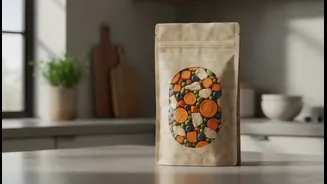
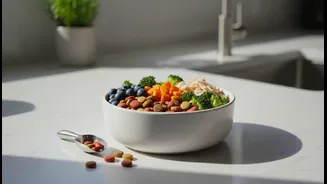
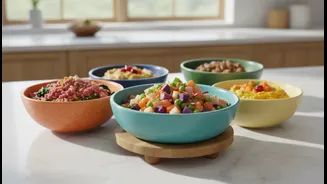
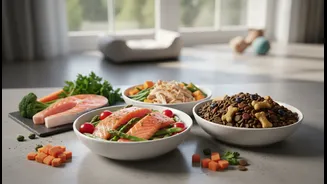
When we say 'premium', we're talking about a whole new world beyond standard dry kibble. The market is now filled with options that sound like they belong in a high-end health cafe. There are fresh food subscriptions that deliver gently cooked, human-grade meals right to your door. You'll find grain-free formulas, recipes with exotic proteins like lamb or rabbit, and diets tailored to specific breeds and life stages. Some brands offer biologically appropriate raw food (BARF), while others focus on dehydrated or freeze-dried options to preserve nutrients. These products promise high-quality, identifiable protein sources as the main ingredient, a stark contrast to vague terms like 'meat by-products' found in cheaper foods.
The Health Halo Effect
Many pet parents are projecting their own wellness journeys onto their pets. If you're focused on eating clean, organic, and minimally processed foods, it feels natural to want the same for your dog or cat. The marketing for these premium foods taps directly into this desire, promising a host of benefits from a shinier coat and healthier skin to better digestion and increased energy levels. The appeal is strong, creating a 'health halo' around these products that makes the higher price tag feel like a worthy investment in a longer, healthier life for a beloved companion. This trend is part of a larger movement toward preventive healthcare for pets, with nutrition seen as the first line of defence.
Is It Worth the Hype (and Price)?
This is the million-rupee question. While providing better ingredients is a laudable goal, veterinarians advise caution. Not all 'boutique' or 'grain-free' diets are created equal, and some may lack the rigorous scientific testing and nutritional feeding trials that established brands conduct. In recent years, concerns have been raised in the veterinary community about potential links between certain grain-free diets heavy in legumes and a heart condition called dilated cardiomyopathy (DCM). The consensus from experts is that price doesn't always equal quality, and marketing buzzwords can be misleading. Good nutrition is crucial, but the most expensive option isn't automatically the best one for your specific pet.
How to Decode the Label
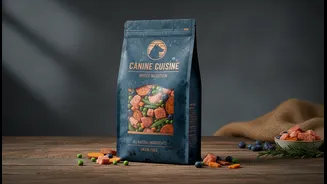
Instead of being swayed by flashy packaging, pet parents should become savvy label readers. In India, pet food labelling is guided by the Bureau of Indian Standards (BIS), though compliance is often voluntary. A good rule of thumb is to follow international standards. Look for a named, high-quality protein source like 'chicken' or 'lamb' as the first ingredient. Be wary of vague terms like 'meat and animal derivatives'. Check for a nutritional adequacy statement, often mentioning AAFCO (Association of American Feed Control Officials), which indicates the food is 'complete and balanced' for a particular life stage. Ultimately, the best approach is to have an open conversation with your veterinarian. They can help you cut through the marketing noise and choose a diet that is scientifically sound and appropriate for your pet's individual age, breed, and health needs.