



The Rise of the ‘Second City’
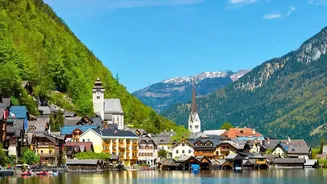
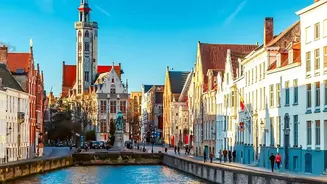
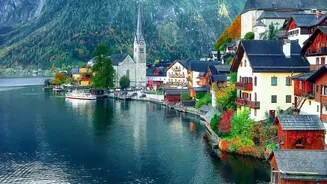
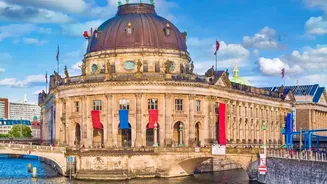
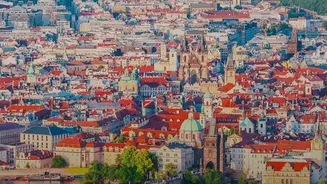
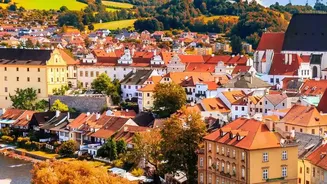
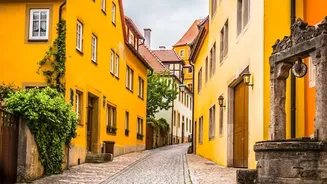
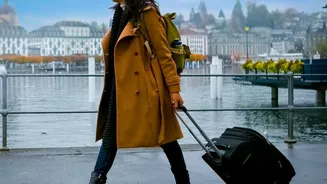
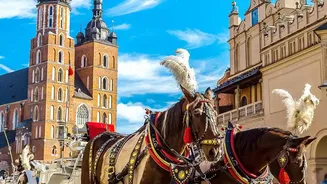
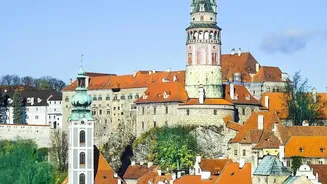
Instead of joining the queues in Paris, Rome, or Amsterdam, a growing number of travellers are discovering the charm of Europe's 'second cities'. Think Bologna instead of Florence, Utrecht instead of Amsterdam, or Lyon instead of Paris. These destinations
offer rich history, vibrant culture, and stunning architecture without the overwhelming crowds. The experience is more relaxed, often more affordable, and provides a glimpse into a country's character that can be hard to find in a global metropolis. This approach, often called 'slow travel', encourages deeper connections with a place rather than just ticking off landmarks. It’s about savouring the moment, and there’s no better place to do that than in a neighbourhood café.
Finding Authenticity in a Cup of Coffee
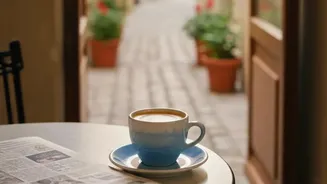
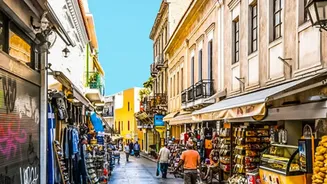
The local café is the living room of a European city. It’s where residents meet, read the paper, and watch the world go by. For a traveller, it’s a front-row seat to everyday life. But how do you find an authentic spot? The first rule is to walk a few blocks away from major tourist attractions. Restaurants and cafes in the shadow of a famous monument are often designed for high turnover, not quality. Instead, wander into residential neighbourhoods. Look for places with handwritten menus, no aggressive hosts trying to lure you in, and a clientele that seems to be composed of locals, not just other tourists. If you see a line of residents waiting patiently, that’s usually a very good sign. These independent establishments directly support the local economy and offer a far more genuine experience.
A More Sustainable and Meaningful Journey
Choosing to spend your time and money in local cafes is more than just a travel hack; it’s a form of sustainable tourism. By supporting small, family-owned businesses, you ensure your travel spending benefits the community directly rather than going to large international chains. This approach fosters a more respectful and mutually beneficial relationship between visitors and locals. Slow travel also has a lower environmental impact, as it often involves less frequent movement and more walking or use of public transport. But the biggest benefit is personal. It replaces the stress of a rushed itinerary with a sense of calm and discovery. You learn more about the culture, you might make new connections, and you come home with richer, more personal memories.
Destinations for the Curious Cafe-Hopper
Ready to explore? Consider adding some of these destinations to your list. In Italy, skip the crowds of Rome and head to the foodie city of Bologna, or explore the Baroque beauty of Lecce in the south. In Spain, Girona offers the charm of Catalonia without the chaos of Barcelona. For a quieter alternative to major Scandinavian capitals, look to Malmö in Sweden or the medieval streets of Tallinn, Estonia. Even in major hubs, authentic pockets exist. Explore the Gràcia neighbourhood in Barcelona or Testaccio in Rome to find cafes buzzing with local life. The key is to stay curious, wander off the main path, and be open to the simple pleasure of an unplanned coffee break.