




The Monsoon's Hidden Bounty
The Indian monsoon transforms the landscape, coaxing life from the parched earth. Alongside the vibrant green foliage, another kingdom awakens: fungi. For centuries, indigenous communities have held the knowledge of which mushrooms are safe to eat, foraging
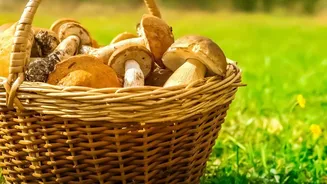
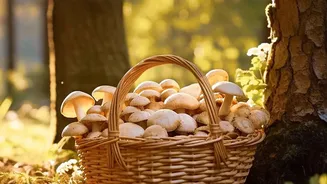
them as a vital source of nutrition. This ancestral practice is now capturing the imagination of a new generation. Urban foodies, chefs, and nature lovers are increasingly looking beyond supermarkets and seeking a more direct connection with their food, venturing into forests in regions like the Western Ghats, the Himalayas, and the Northeast to find these seasonal delicacies.
A Modern Twist on an Ancient Practice
While foraging is an age-old survival skill, its modern revival is driven by different motivations. For today's food enthusiast, it's about authenticity, sustainability, and adventure. Chefs are championing hyperlocal ingredients, and foraged mushrooms offer unique flavours that can't be replicated. This has trickled down to curious home cooks who are eager to learn. As a result, a cottage industry of guided foraging walks and workshops has emerged, led by mycologists and local experts. These tours provide a safe and educational way for newcomers to learn how to identify edible species and understand the forest ecosystem, turning a simple walk into a culinary exploration.
From Forest Floor to Gourmet Plate
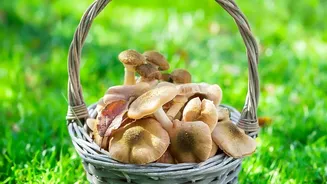
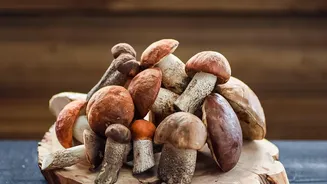
The allure of foraged mushrooms lies in their unique and intense flavours, which are far superior to their cultivated counterparts. During the monsoon, Indian forests yield a spectacular variety. In Goa and Maharashtra, the meaty Termitomyces, or 'Alami', which grows on termite mounds, is a prized possession used in rich coconut curries. Jharkhand's 'Rugda', often called vegetarian mutton, has a crunchy texture and is a local delicacy. Meanwhile, in the Himalayas, foragers seek out Gucchi (Morels), one of the world's most expensive mushrooms, celebrated for its spongy, honeycomb texture and deep, savoury flavour. Each mushroom tells a story of its specific habitat, from the base of a Sal tree to a decaying mango log.
The Thrill of the Hunt
Beyond the gastronomic rewards, the foraging trend speaks to a deeper desire for experience and connection. It encourages a slower, more observant way of engaging with nature. Foragers describe the activity as a meditative and de-stressing experience, where the focus is on the simple act of looking and learning. It's a treasure hunt where the prize is not just food, but knowledge and a renewed appreciation for the natural world. This hands-on activity offers a refreshing break from urban life and screen time, fostering a community of like-minded individuals who share a passion for both food and the outdoors.
Know Before You Go: The Forager's Responsibility
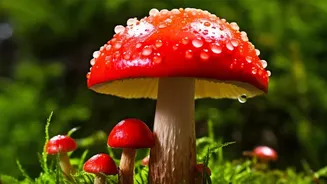
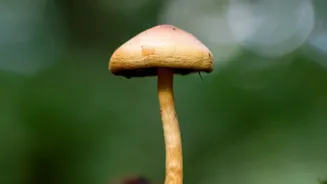
The world of wild mushrooms is as dangerous as it is delicious. For every delectable edible variety, there is often a toxic lookalike that can cause anything from mild gastrointestinal distress to fatal liver failure. The cardinal rule of foraging is simple: never eat anything you cannot identify with 100% certainty. Misidentification is a common and serious risk. Many poisonous species, like the deadly Amanita, are responsible for a majority of mushroom-related fatalities. This is why joining guided walks with experts is non-negotiable for beginners. These guides, often from local communities, possess generations of knowledge and can safely introduce you to the forest's bounty, ensuring the experience is both enjoyable and safe.