





What Exactly Is a Push-Pull-Legs Split?
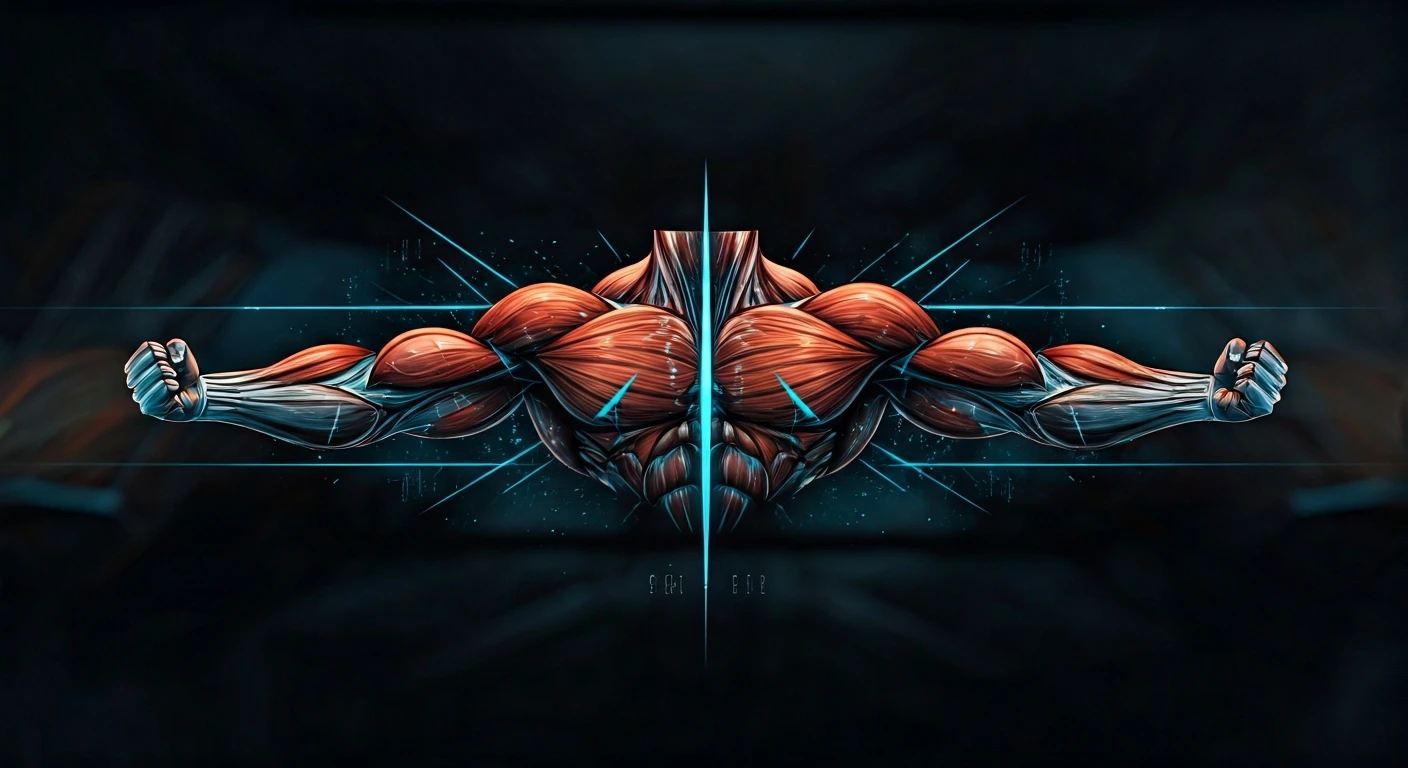
The Push-Pull-Legs split is a workout program that divides your training into three distinct days based on movement patterns. Instead of focusing on one muscle group per day (like a "chest day"), PPL organises workouts logically. The structure is simple:
* **Push Day:** You train all the upper-body muscles used in pushing movements. This primarily includes the chest, shoulders, and triceps. Think bench presses, shoulder presses, and tricep extensions. * **Pull Day:** This workout targets the upper-body muscles used in pulling motions. You'll work your back (including lats and traps) and biceps. Exercises like pull-ups, rows, and bicep curls are staples here. * **Leg Day:** As the name suggests, this day is dedicated to your entire lower body, including the quads, hamstrings, glutes, and calves. Squats, deadlifts, and lunges are common exercises.
The Core Benefits of PPL Training
One of the biggest advantages of the PPL split is its efficiency and how it groups related muscles. When you perform a compound push exercise like the bench press, your shoulders and triceps are already engaged as secondary movers. Training them all in the same session creates synergy and ensures all related muscles are worked effectively. This structure also minimises unwanted overlap between workout days, which can lead to better recovery. Because your pull muscles get to rest on push day and vice-versa, each muscle group has ample time to recover before being trained again—even on a high-frequency, six-day-a-week schedule. This combination of high frequency and adequate recovery is ideal for stimulating muscle growth (hypertrophy) and building strength.
Potential Drawbacks and Considerations
While highly effective, the PPL split isn't without its challenges. The most common format involves training six days a week to hit each muscle group twice, which demands a significant time commitment and may be difficult for those with a busy or unpredictable schedule. Furthermore, some experts argue that leg days can be exceptionally difficult, potentially leading to reduced effort as you fatigue during the session. Another point of consideration is that training arms after large compound movements (like triceps after chest and shoulder presses) means they are already fatigued. While they can still grow, individuals with stubborn, slow-to-grow arms might benefit from a routine that allows them to train these smaller muscles when they are fresh.
PPL vs. Other Popular Workout Splits
Compared to a traditional "bro split," where each muscle is often trained just once per week, a six-day PPL routine allows you to stimulate each muscle group twice weekly, which is widely considered more effective for muscle growth. Against a full-body routine, the choice is more nuanced. Full-body workouts are excellent for beginners as they build a strong foundation and can be done effectively three times a week. A three-day PPL split, however, results in each muscle only being trained once a week, which may be less than optimal for growth. Therefore, PPL is generally considered most effective for intermediate to advanced lifters who can handle the volume and frequency of a five or six-day schedule.
Is the Push-Pull-Legs Split Right for You?
Deciding if PPL is the right fit depends on your experience level, goals, and schedule. This split is ideal for intermediate and advanced lifters looking to maximize muscle growth and who can commit to at least four or five gym sessions per week. Its high customisability allows you to tailor it to focus on strength, hypertrophy, or general fitness. However, if you're a beginner, starting with a full-body routine three times a week is often recommended to build foundational strength and prepare your body for higher training volumes. If your schedule only allows for three gym days a week, a full-body or upper/lower split might provide better results by hitting each muscle group more frequently.