





The Connection to Nature
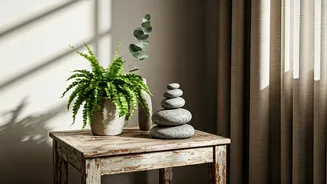
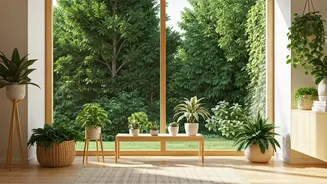
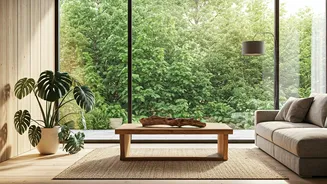
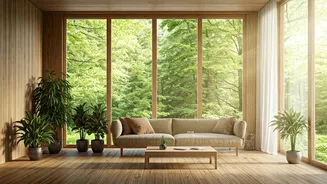
In a world of concrete and glass, there's a deep, instinctual comfort we find in natural materials. This is the core principle of biophilic design: the idea that humans have an innate need to connect with nature. Wood is the most direct way to bring that connection
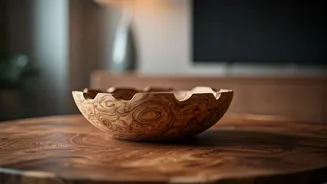
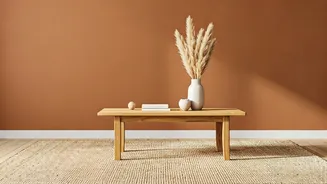
indoors. The grain tells a story of growth, the texture feels real under our fingertips, and its presence can have a calming, grounding effect. A simple sheesham wood bowl on a coffee table or a sturdy teak bench in the entryway isn't just a piece of decor; it’s a small piece of the outdoors, a quiet reminder of the world beyond our walls. This psychological comfort is a major reason why wood feels so essential and timeless in our living spaces.
Unmatched Versatility
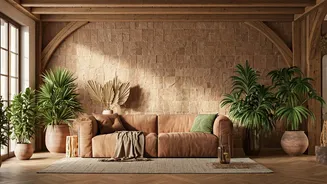
Think of any design style, and wood has a place in it. For a minimalist Scandinavian look, light-coloured woods like pine or birch are perfect. In a classic, traditional Indian home, dark, richly polished teak or rosewood feels regal and permanent. For a rustic, farmhouse vibe, reclaimed or distressed wood adds instant history and charm. Even in ultra-modern, industrial spaces, a 'live edge' wooden table or a sleek walnut panel can soften the hard lines of metal and concrete, adding necessary warmth. No other material can adapt so seamlessly. It can be painted, stained, carved, or left in its raw state, each treatment bringing out a different personality while retaining its essential character.
It Ages Beautifully
Unlike synthetic materials that can crack, fade, or look dated within a few years, good quality wood gets better with age. It develops a patina—a soft sheen and a depth of colour that comes from years of use, touch, and exposure to light. A few scratches or dents on a wooden dining table don't ruin it; they become part of its story. This graceful ageing process means that wooden furniture is often seen as an investment, something to be passed down through generations. An old family heirloom, like a grandparent's writing desk or a mother's spice box, carries an emotional weight that a mass-produced, flat-pack item never could. This durability and capacity to hold memories are central to its timeless appeal.
A Foundation for Any Colour Palette
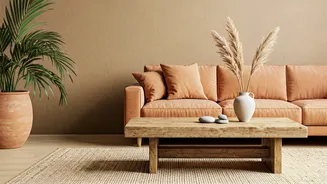
Wood acts as a perfect neutral, a foundational element that can ground any colour scheme. Its earthy tones—from pale creams and greys to rich reds and deep browns—pair beautifully with everything. Want a bright, bold room? A wooden floor or a large wooden cabinet will keep the space from feeling overwhelming. Prefer a serene, all-white aesthetic? Wooden accents provide texture and prevent the room from feeling sterile or clinical. It serves as the perfect bridge between different colours and textures in a room, tying everything together into a cohesive whole without demanding all the attention.
Textural and Sensory Warmth
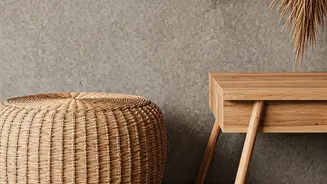
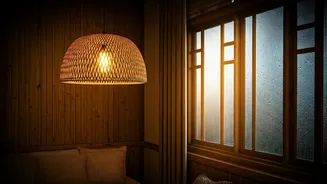
A room's feel is about more than just what you see. It's also about touch and temperature. Wood adds a literal and figurative warmth that materials like metal, glass, and plastic lack. Visually, its tones are associated with cosiness and comfort. Physically, it isn't cold to the touch. The variety of textures, from rough and rustic to smooth and polished, adds a layer of sensory interest to a space. Running your hand over a carved wooden panel or a smooth tabletop is a satisfying tactile experience. This subtle, sensory contribution is what elevates a room from being merely decorated to being truly inviting and comfortable.