

The Undeniable Health Appeal
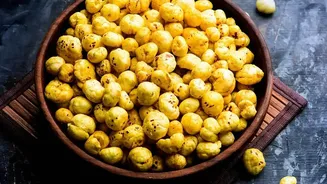
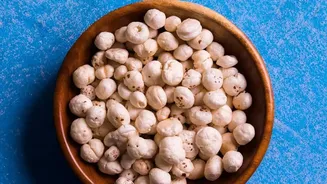
The primary driver behind makhana's meteoric rise is its impressive nutritional profile. For a growing number of health-conscious Indian consumers, what's left out is just as important as what's inside. Makhana is naturally gluten-free, low in calories,
and has a low glycemic index, making it suitable for a wide range of dietary needs. But it's also packed with nutrients, offering a good source of plant-based protein, fibre, and essential minerals like magnesium, potassium, and phosphorus. In a country where lifestyle-related health issues are a growing concern, a snack that supports heart health, helps manage blood sugar levels, and aids in weight management without compromising on a satisfying crunch is a clear winner. Consumers are actively seeking snacks with functional benefits, and makhana fits this demand perfectly.
A Modern Twist on Ancient Wisdom
While it may seem like a new trend, makhana, or fox nut, is deeply rooted in Indian tradition. For centuries, it has been a staple in Ayurvedic diets and is often consumed during religious fasts. This history gives it a sense of authenticity and trustworthiness that newly formulated health foods often lack. Consumers see it not as a foreign superfood like quinoa, but as a familiar ingredient from their own heritage that is being rediscovered. Brands have cleverly tapped into this by positioning makhana as a 'superfood' that has been part of Indian culture for generations, blending tradition with modern wellness trends. This resonates with shoppers who are proud of local ingredients and are looking for wholesome, time-tested options.
Convenience Meets Craveable Flavours
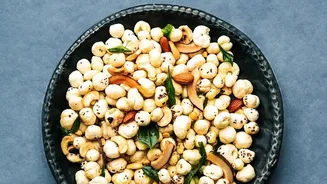
In its raw form, makhana was something to be roasted at home. Today, it has been completely transformed into a convenient, ready-to-eat snack that fits seamlessly into busy urban lifestyles. The real game-changer has been the introduction of a wide array of flavours. Beyond the simple salted or roasted versions, you can now find makhana in bold and exciting tastes like peri-peri, cheese, mint, and pudina. This flavour innovation has been crucial in converting those who might otherwise reach for a packet of potato chips or fried namkeen. It ensures that choosing a healthy snack doesn't mean sacrificing taste, a non-negotiable factor for most Indian consumers.
It's Not Just Makhana
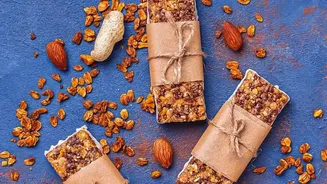
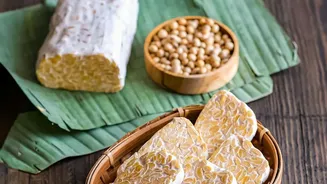
The attraction to makhana is part of a larger shift in the Indian snacking landscape. Shoppers are exploring a whole category of healthier alternatives. Roasted chana (chickpeas), various seeds like pumpkin and flax, millet-based snacks, and baked khakhra are also gaining immense popularity. These alternatives share common characteristics with makhana: they are often baked or roasted instead of fried, high in protein and fibre, and are rooted in traditional Indian food habits. This broader trend indicates a fundamental change in consumer behaviour, driven by a desire for 'guilt-free' indulgence where health and taste coexist. The market for healthy snacks in India is growing significantly, with some reports showing it expanding faster than the global average.
The Market Push
This consumer-led trend has been amplified by the market itself. The entry of numerous organized brands, from startups to large FMCG players, has increased the visibility, availability, and appeal of these snacks. Strong branding and packaging have elevated products like makhana from a simple commodity to a premium lifestyle product. The rapid growth of e-commerce and quick-commerce platforms has also made it easier than ever for shoppers across the country to access these healthy alternatives, further fuelling their growth. Government support, including the establishment of a National Makhana Board, is also set to boost production and innovation in the sector.