
Embrace the Power of Miniatures
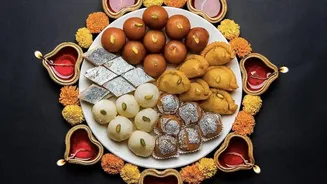
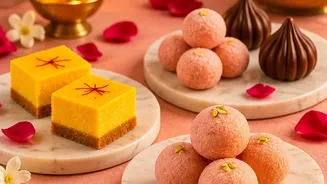
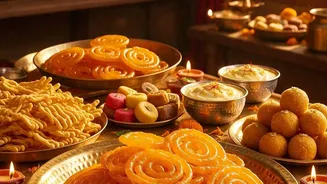
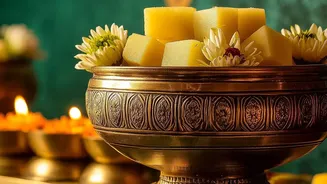
The easiest way to integrate rich, traditional sweets is to think small. Instead of large, heavy portions, serve bite-sized versions. Mini gulab jamuns, tiny rasgullas, or diamond-shaped quarters of kaju katli allow guests to sample without feeling overwhelmed.
This approach, known as portion control, is not about scarcity but about elegance and variety. It invites guests to try multiple items without committing to a full, heavy dessert. You can serve these miniatures on toothpicks or in small, decorative paper cups to make them easy to pick up and enjoy while mingling.
Create a 'Mithai Board'
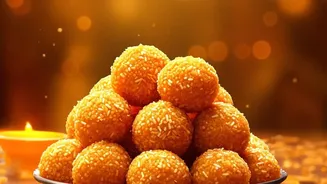
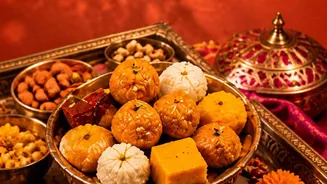
Take inspiration from the popular cheese charcuterie board and create a stunning 'Mithai Board'. This visual centrepiece is both a dessert offering and a piece of decor. Arrange a variety of sweets on a large wooden board or decorative platter. Place bowls of syrupy sweets like rasgulla in the center. Surround them with an assortment of dry mithai like barfis, laddoos, and chikki. To balance the sweetness and add texture, fill the gaps with roasted nuts, seasonal fresh fruits like grapes or sliced peaches, and even some savoury bites like mini shankarpare. The mix of colours, shapes, and textures makes it an interactive and memorable experience for guests.
Pair, Don't Compete
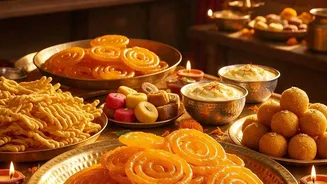
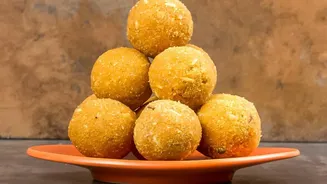
Instead of serving two heavy desserts side-by-side, create thoughtful pairings that complement each other. The classic warm-and-cold combination is always a winner; a warm gulab jamun served with a small scoop of vanilla ice cream is a universally loved pairing. A crispy, hot jalebi can be served with creamy rabri or even plain yogurt to cut the sweetness. Think about flavour contrasts as well. A nutty besan laddoo pairs beautifully with a hot cup of spiced masala chai, turning dessert into a comforting, sophisticated moment. The goal is to make each component shine without overpowering the other.
Deconstruct for a Modern Twist
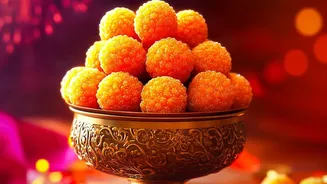
You don't need to be a professional chef to get creative with 'deconstructed' desserts. This simply means using a traditional sweet as an element in another dish. Crumble motichoor laddoos over a simple vanilla mousse or shrikhand for a textural surprise. Use a crisp jalebi as an unexpected garnish for a plain cheesecake. Some hosts even serve small gulab jamuns alongside a slice of cheesecake, allowing the flavours to merge. This fusion approach can make traditional sweets feel new and exciting, especially for younger guests or those with contemporary palates.
Curate a Dessert Timeline
Not all desserts have to be served at once after the main course. Consider a timeline for your sweets. Lighter options like kheer or phirni, which can be served chilled in small cups, work well as a palate cleanser after a spicy meal. Heavier sweets like Gajar ka Halwa or Mysore Pak can be offered later in the evening with coffee or tea. By spacing out the offerings, you prevent the dessert table from feeling too heavy and give guests the opportunity to digest and truly appreciate each sweet treat on its own terms.
Presentation Elevates Everything
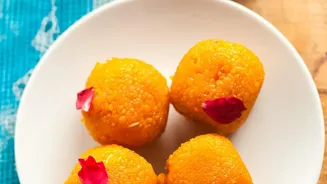
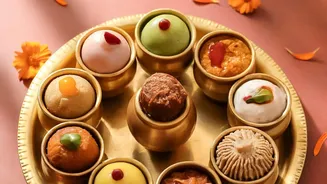
Finally, never underestimate the power of presentation. Move beyond the standard box and think about how you display your sweets. Tiered serving stands can create visual interest and save table space. Using elegant glassware, like small cups or even shot glasses for desserts like kheer or rabri, instantly modernises the look. A simple garnish of fresh mint leaves, slivered pistachios, or edible rose petals can transform the appearance of a humble barfi or laddoo, making it look artisanal and special. This attention to detail signals that every part of the meal, including the sweets, has been thoughtfully curated.