






A New Flexibility in Travel Planning
Planning a trip, especially to a destination like India, often involves juggling multiple moving parts. From securing visas to coordinating with family and getting leave approved at work, many things need to fall into place. In the past, this created
a stressful dilemma for travellers: book an attractive flight or hotel deal immediately and risk losing money if plans fall through, or wait for confirmation and watch as prices inevitably climb. Recognizing this pain point, many airlines and online travel agencies (OTAs) have introduced more customer-centric booking options that separate the act of reserving a spot from the final payment.
Understanding 'Fare Lock' and How It Works
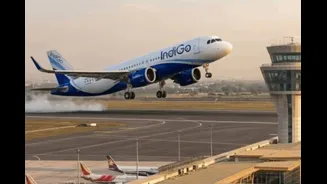
The most common feature is known as 'Fare Lock' or 'Fare Hold'. This service allows you to secure a quoted airfare for a set period—typically ranging from 24 hours to as long as seven days—by paying a nominal, non-refundable fee. For example, airlines like Air India, IndiGo, and Air India Express now offer this facility. The process is straightforward: you select your desired flight, opt to 'lock' the fare on the payment page, and pay the hold fee. This fee can start from as low as ₹49 on IndiGo for certain conditions, while Air India charges from ₹500, and Air India Express from ₹250 for domestic and ₹500 for international flights. During this hold period, the flight price is guaranteed, protecting you from any fare surges. You can then return to your booking anytime before the window expires to pay the full ticket price.
The Key Benefits for International and Domestic Travellers
The primary advantage of fare lock is peace of mind. It provides a crucial buffer to finalise your travel arrangements without pressure. For international visitors, this means having time to get visa approvals without committing thousands of rupees to a flight you might not be able to take. For domestic travellers, especially those planning group trips for holidays like Diwali, it allows time for everyone to confirm their availability before one person has to make a large payment. If fares were to spike overnight—a common occurrence during peak seasons—you would still pay the lower, locked-in price. This simple tool effectively acts as surge protection, turning a potentially expensive gamble into a calculated, low-cost decision.
Beyond Flights: 'Book Now, Pay Later' for Hotels
This trend of flexible booking isn't limited to air travel. Major travel portals like Yatra.com are also offering 'Book Now, Pay Later' (BNPL) options for domestic hotel bookings. This allows travellers to reserve a hotel room by paying a token amount—sometimes as little as ₹1—and paying the remaining balance closer to the check-in date. This is particularly useful for building a multi-city itinerary, as you can secure accommodation across your entire trip well in advance without a significant upfront financial commitment. It provides the freedom to plan ahead while keeping your options open and your funds accessible.
What to Keep in Mind
While these features are incredibly helpful, it's important to be aware of the terms. The 'fare lock' fee is almost always non-refundable; if you decide not to book the flight within the hold period, the fee is forfeited. The hold duration is also critical; a 24-hour window may not be enough for complex arrangements, so check if 48-hour or 72-hour options are available, even if they cost slightly more. Furthermore, these services usually apply only to the base fare and don't include add-ons like extra baggage or seat selection, which are paid for during the final booking. Always read the specific terms and conditions on the airline or OTA's website before opting in.