





Day 1: Arrival in the City of Gates
Your historical expedition begins in Chhatrapati Sambhajinagar, formerly known as Aurangabad, a city named after the Mughal emperor Aurangzeb and famed for its 52 gates. After arriving and settling into your hotel, spend the afternoon exploring the city's
local heritage. First, visit Bibi Ka Maqbara, a stunning mausoleum built by Aurangzeb's son in memory of his mother. Often called the 'Taj of the Deccan', its resemblance to the Taj Mahal is striking and offers a peaceful introduction to Mughal architecture. In the evening, visit Panchakki, a fascinating 17th-century water mill that showcases the advanced engineering of the time. It was designed to generate energy to grind grain for pilgrims and is a tranquil spot to end your first day.
Day 2: The Painted Caves of Ajanta
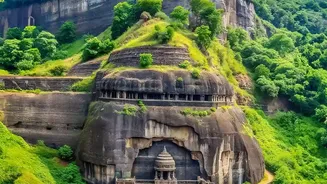
Dedicate the entire day to the Ajanta Caves, a UNESCO World Heritage site located about 100 km from Aurangabad. It's best to start early to make the most of the 2.5-hour drive and beat the crowds. These 30 rock-cut Buddhist caves, dating back to the 2nd century BC, are nestled in a horseshoe-shaped gorge. Famed for their exquisite murals and sculptures, the paintings depict the Jataka tales, which narrate stories of the Buddha's previous lives. Caves 1, 2, 16, and 17 are particularly renowned for their well-preserved masterpieces of Buddhist religious art. The sheer artistry and devotion required to create these vibrant frescoes make Ajanta an unmissable part of India's ancient heritage.
Day 3: The Architectural Marvels of Ellora
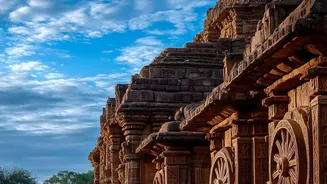
Today, you will explore the Ellora Caves, another UNESCO World Heritage site just 30 km from Aurangabad. Unlike Ajanta, Ellora features a mix of Buddhist, Hindu, and Jain temples, showcasing the religious harmony of the era. The site's crown jewel is Cave 16, the Kailasa Temple, the world's largest monolithic sculpture, carved from a single rock. This architectural feat dedicated to Lord Shiva is a testament to human ingenuity. Nearby, visit the Grishneshwar Temple, one of the 12 sacred Jyotirlinga shrines in India, making it an important pilgrimage site for Hindus. Its proximity to Ellora allows for a seamless visit, combining architectural wonder with spiritual significance.
Day 4: The Impregnable Daulatabad Fort
Prepare for a journey into medieval military strategy with a visit to Daulatabad Fort, located just 15 km from Aurangabad on the way to Ellora. Originally known as Devagiri, this formidable hill fortress was built in the 12th century and is famous for its ingenious defensive systems. The climb to the top, which takes about 2-3 hours, leads you through a series of complex gateways, a moat, and a pitch-black, spiralling tunnel known as the 'Andheri', designed to confuse and trap invaders. At the summit, you are rewarded with panoramic views. Later, you can explore the lesser-known Aurangabad Caves, a cluster of 12 Buddhist rock-cut shrines carved into a hillside, offering a quieter, more contemplative experience.
Day 5: Local Culture and Departure
On your final day, immerse yourself in the local culture before your departure. Depending on your flight or train schedule, you can revisit a favourite spot or explore some of the city's markets. Gul Mandi is one of the largest markets in Aurangabad, offering a vibrant atmosphere to shop for local goods. You may also consider a visit to a Himroo weaving centre to see the creation of the region's famous fabric, a blend of silk and cotton with a rich history. This provides a final, tangible connection to the area's artistic legacy. Reflect on your journey through centuries of history before heading to the airport or railway station for your journey home.