



Swap White Rice for Brown Rice or Millets
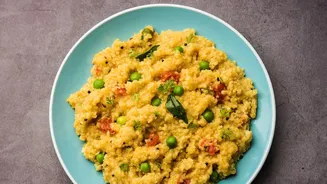
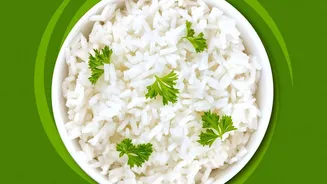
One of the easiest changes to make is at the heart of many Indian meals. Refined white rice has its bran and germ removed, which strips it of most of its fibre. Whole grains like brown rice, jowar (sorghum), bajra (pearl millet), and ragi (finger millet) keep
these layers intact, providing a substantial fibre boost. A single serving of millets can contain significantly more fibre than its white rice equivalent. If your family is resistant to the change, start by mixing white and brown rice in equal parts and gradually adjust the ratio over a few weeks. This slow transition makes the new texture and taste more familiar.
Choose Whole Wheat Atta Over Maida
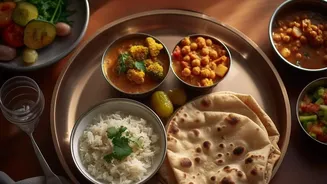
Similar to rice, refined flour (maida) has lost its fibre-rich components during processing. Whole wheat flour (atta), on the other hand, is a whole grain. By simply using whole wheat atta for your daily rotis, chapatis, and parathas, you are effortlessly increasing your fibre intake. When baking or making snacks, try replacing at least half the maida with atta. This works well for many cakes, muffins, and cookies without drastically changing the final product, while adding valuable nutrients back into your treats.
Eat Whole Fruits Instead of Drinking Juice
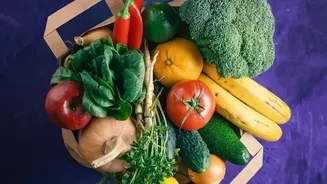
While fruit juice might seem like a healthy option, the juicing process removes almost all the beneficial dietary fibre. Eating a whole fruit, like an apple or guava, provides not just vitamins but also the fibre that aids digestion and helps you feel full longer. Guava is a particularly excellent source of fibre commonly found in India. Instead of a glass of apple juice, have a whole apple with its skin on. The skin itself is packed with insoluble fibre. This simple habit change ensures you get the full nutritional benefit of the fruit.
Leave the Skin on Vegetables
Many of us have a habit of peeling vegetables like potatoes, carrots, and cucumbers before cooking. However, a significant amount of fibre and nutrients is located in or just under the skin. By simply scrubbing these vegetables well and cooking them with their skins on, you preserve this valuable fibre. Whether you're making a baked potato, adding carrots to a sabzi, or slicing cucumber for a salad, keeping the peel is a zero-effort way to enhance your meal's nutritional profile.
Upgrade Your Snacks to Nuts and Seeds
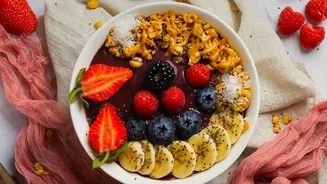
Instead of reaching for fried snacks or biscuits, which are often low in nutrients, consider a handful of nuts and seeds. Almonds, walnuts, chia seeds, and flaxseeds are not only rich in healthy fats and protein but are also excellent sources of fibre. Sprinkling chia or flax seeds over your morning yogurt or oatmeal is a fantastic way to start the day. Keeping a small container of mixed nuts and seeds handy for when hunger strikes can prevent you from opting for less healthy, low-fibre alternatives.
Incorporate More Lentils and Legumes
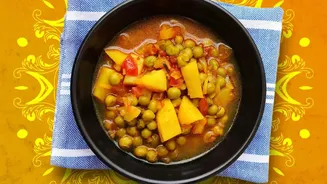
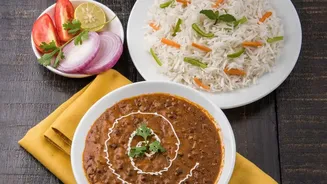
Lentils (dals) and legumes like chickpeas (chana) and kidney beans (rajma) are cornerstones of Indian cuisine and fibre powerhouses. They provide both soluble and insoluble fibre, which helps with everything from lowering cholesterol to ensuring regular bowel movements. Try to include a dal with every major meal. You can also add boiled chickpeas or kidney beans to salads, make sprouted moong dal for a snack, or incorporate more vegetable-and-dal based curries into your weekly rotation for a significant fibre increase.