




From Forgotten Space to Fragrant Oasis
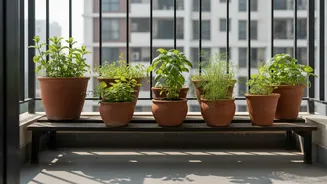
In cities like Mumbai, Bengaluru, Delhi, and Pune, a growing number of apartment dwellers are rediscovering their balconies. Instead of seeing a few square feet of unused concrete, they see potential. The result is a surge in compact herb gardens, turning
neglected nooks into lush, productive oases. This trend is about more than just aesthetics; it signifies a shift in how urban Indians view their homes and lifestyles. A balcony is no longer just an appendage to a flat; it's an opportunity for a small, personal connection to nature. It’s a space for morning tea amidst greenery, a source of fresh ingredients for dinner, and a tranquil escape from the urban hustle just a sliding door away.
The Roots of a Green Movement
Several factors are fuelling this green-thumb revolution. The pandemic played a significant role, pushing people to find new hobbies at home and sparking a greater interest in health and wellness. There is a growing desire for fresh, pesticide-free food, and what could be more organic than produce picked from your own pot? Beyond the plate, the therapeutic benefits are a major driver. Gardening is a well-known stress reliever, and tending to plants offers a mindful activity that calms the mind and provides a tangible sense of accomplishment. In a concrete-dominated landscape, the simple act of cultivating a living thing offers a powerful antidote to the pressures of city life.
More Than Just Dhania and Pudina
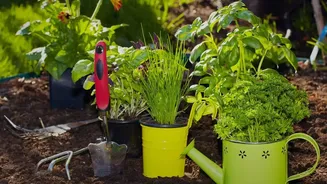
While kitchen staples are the stars, the modern Indian herb garden is surprisingly diverse. Of course, no balcony garden is complete without the essentials: fragrant mint (pudina) for chutneys and teas, fresh coriander (dhania) for garnishing, and sacred Tulsi (holy basil) for its spiritual and medicinal value. Curry leaves (kadi patta), which can be grown in a medium-sized pot, provide a constant supply for tempering dals and curries. But gardeners are also experimenting with lemongrass for infusions, ajwain for its digestive properties, and even international herbs like rosemary, oregano, and basil to spice up their culinary adventures. Many also grow green chillies, which thrive in sunny balcony spots.
Making It Work in Small Spaces
The key to this trend's success is its accessibility, made possible by innovative, space-saving solutions. The word 'garden' no longer implies a large patch of land. Vertical gardening is a game-changer, using wall-mounted planters, tiered racks, or ladder shelves to grow upwards and maximize a small footprint. Railing planters are perfect for transforming bare metal into a cascade of green without taking up any floor space. Hanging baskets and repurposed containers like bottles and jars add layers of interest and greenery. For beginners, lightweight grow bags are an excellent, low-cost option. These smart solutions prove that you don't need a sprawling terrace to enjoy the benefits of gardening; you just need a bit of creativity.
A Ripple Effect on Urban Living
The transformation of a balcony is often the start of a much larger change. Having fresh herbs on hand elevates everyday cooking, inspiring healthier and more flavourful meals. It fosters a deeper connection to food, especially for children who can see firsthand where their food comes from. This movement also builds a sense of community, with online groups and social media feeds buzzing with tips, troubleshooting advice, and proud photos of harvests. This small patch of green can improve air quality in the immediate vicinity and create a micro-habitat for pollinators. Ultimately, the compact herb garden is a powerful statement: that even in the most crowded urban environments, it is possible to cultivate a life that is greener, healthier, and more connected.