



The New Travel Playbook
Gone are the days when travel was confined to summer vacations or a single long annual break. A fundamental shift is underway, with Indians now preferring multiple short breaks spread throughout the year. This has given rise to a 'long-weekend economy,'
where any holiday falling on a Friday or Monday becomes a prime opportunity for a three or four-day getaway. This behavioural change means that highways get busier, hotels fill up weeks in advance, and popular destinations see a surge in visitors almost every time a public holiday appears on the calendar. Travel companies have taken notice, with some reporting a 40% year-on-year growth in bookings for long weekend trips.
Culture and Celebration as the Main Event
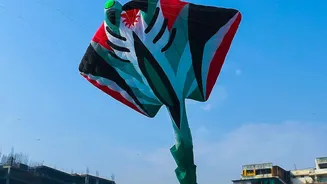
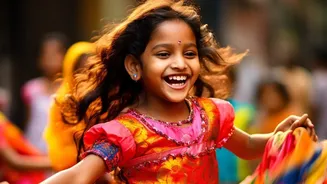
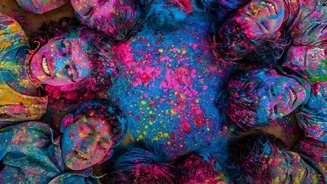
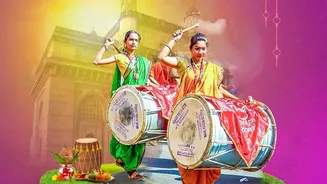
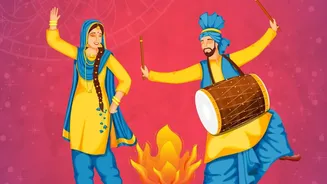
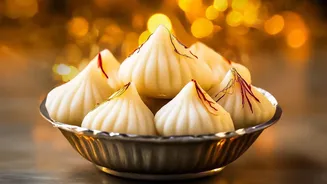
It's no longer just about getting away; it's about what you get away for. A recent report found that 67% of Indian travellers plan trips specifically around cultural experiences like festivals and heritage events. In fact, nearly three-quarters of travellers say they would consider planning an entire holiday just to attend a major festival. Celebrations like Durga Puja in Kolkata, Ganesh Chaturthi in Maharashtra, Navratri in Gujarat, and Diwali in Varanasi are becoming powerful travel magnets. This trend is particularly strong among younger generations, with 84% of millennials and 80% of Gen Z leading the charge toward experience-led travel over simple sightseeing. Music festivals have also become a significant draw, with bookings for events like the Ziro Festival in Arunachal Pradesh and the Cherry Blossom Festival in Meghalaya surging year-on-year.
The Forces Driving the Shift
Several factors are fuelling this evolution in travel habits. The post-pandemic phenomenon of 'revenge travel'—a pent-up desire to travel after periods of lockdown—kickstarted the trend, leading to historic highs in demand. This was coupled with the rise of flexible and remote work arrangements, which allow many professionals to extend weekend trips or work from scenic locations. Furthermore, improved connectivity through new highways and the expansion of regional airlines has made once-remote destinations more accessible for short trips. Social media also plays a crucial role, with the 'fear of missing out' (FOMO) generated by travel reels and posts encouraging more people to seek out photogenic festivals and unique cultural moments.
How Travellers Are Planning
This new style of travel blends spontaneous decisions with careful planning. While many trips are booked within 15 to 30 days of departure, the desire to attend a specific festival often means planning starts much earlier. According to one report, 40% of people now begin planning for culture-focused journeys three to six months in advance, prioritising festival dates over airfare or accommodation costs. Travellers are also spending more, with the average spend on long weekend trips increasing to approximately ₹80,000–₹1 lakh. While domestic tourism remains robust—with 60% of Indians preferring to holiday within the country—these short breaks are also making international travel more accessible. Nearby destinations like Bali, Vietnam, Sri Lanka, and the Maldives are becoming popular choices for three-to-five-night holidays.