






The Inseparable Pair: Why Mould Loves Moisture
Mould is a type of fungus, and its tiny, invisible spores are present almost everywhere, indoors and out. These spores, however, remain dormant until they find the perfect conditions to grow: a food source (like walls, wood, or fabric), oxygen, a suitable
temperature, and, most importantly, moisture. Think of moisture as the trigger that turns dormant spores into a visible, spreading colony. This is why simply wiping away mould without addressing the underlying dampness often leads to its quick return; you've cleaned the symptom, but not the cause. Persistent high humidity, common during India's monsoon season, creates an ideal breeding ground throughout the home.
More Than an Eyesore: The Health Implications
Beyond the unpleasant appearance and musty odours, indoor mould can pose significant health risks. For many people, exposure to mould can trigger allergic reactions, with symptoms like sneezing, runny nose, red eyes, and skin rashes. For individuals with asthma, mould can lead to more frequent and severe attacks. Even in those who aren't allergic, mould can act as an irritant, causing coughing, wheezing, and a sore throat. While reactions vary from person to person, creating a mould-free environment is a critical step toward maintaining a healthy indoor space for your family.
Step One: Safely Remove Existing Mould
Before you can tackle the moisture, you need to deal with the existing mould. For small areas (less than 10 square feet), you can often handle the cleanup yourself. Always wear protective gear, including gloves, goggles, and a mask, to avoid inhaling spores. For a powerful and natural cleaning solution, mix one part white vinegar with one part water in a spray bottle. Some sources suggest adding a few drops of tea tree oil for its potent antifungal properties. Spray the solution directly onto the mouldy surface, let it sit for about an hour, and then scrub the area with a brush. For porous surfaces like drywall or fabric that are heavily contaminated, replacement might be necessary as the mould can grow deep into the material. Remember, painting or caulking over mould will not solve the problem; you must clean and dry the area first.
Step Two: Cut Off the Moisture Supply
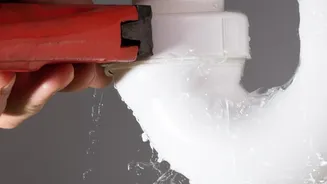
This is the most crucial step for long-term success. The goal is to make your home an inhospitable place for mould. Start by identifying the source of moisture. Look for obvious culprits like leaky pipes under the sink, a dripping tap, or cracks in the roof or exterior walls that let rain in. Fix these issues promptly; if a damp area is dried within 24-48 hours, mould often won't have a chance to grow. Beyond leaks, high indoor humidity is a major contributor. The ideal indoor humidity level is between 30% and 50%. A simple humidity monitor can help you track levels in different parts of your home. If humidity is consistently high, consider using a dehumidifier, especially in basements or poorly ventilated rooms.
Daily Habits for a Drier Home
Controlling moisture is an ongoing effort that can be integrated into your daily routine. Small, consistent actions make a huge difference. Ensure good ventilation, especially in high-moisture zones like kitchens and bathrooms. Use exhaust fans whenever you cook or shower, or simply open a window for a while to let damp air escape. When drying clothes indoors during the monsoon, ensure there is adequate air circulation from a fan and space clothes apart. Avoid pushing furniture flush against walls, as this can trap air and allow condensation to form. During India's humid months, regularly opening cupboards and airing out stored linens can prevent that familiar musty smell and mildew growth. Simple measures like placing silica gel packets in wardrobes can also help absorb excess moisture.