





The Engine of India's Agriculture
The Southwest monsoon is the lifeblood of India's economy, delivering about 70% of the country's annual rainfall. This seasonal downpour is crucial for the Kharif or summer crop season, which sees the sowing of staples like rice, pulses, cotton, and soybeans.
With nearly half of India's farmland lacking irrigation, millions of farmers depend entirely on these rains to cultivate their crops and sustain their livelihoods. A strong, well-distributed monsoon translates to a bountiful harvest, healthy rural incomes, and stable food prices. Conversely, a weak or erratic monsoon can trigger a cascade of economic problems, starting with lower crop yields and extending all the way to the national inflation rate.
The 2026 Monsoon: A Slow and Worrying Start
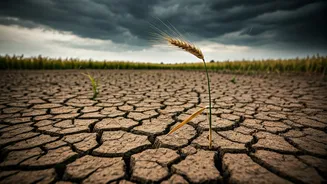
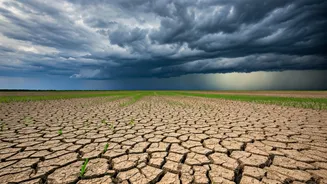
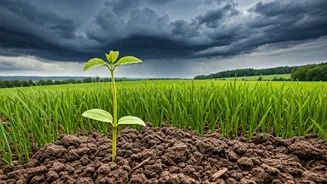
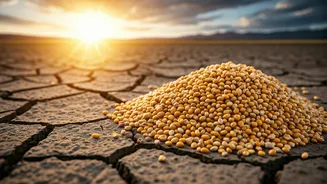
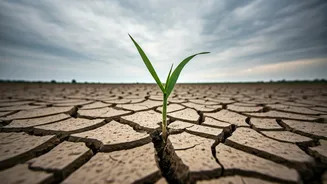
The 2026 monsoon season has begun on a concerning note. As of late June, rainfall across the country has been significantly below normal, with some reports citing a deficit of over 40%. The India Meteorological Department (IMD) has pointed to the influence of El Niño conditions, forecasting a potentially below-normal monsoon for the year. This slow start has directly impacted the pace of Kharif sowing. According to data from the Ministry of Agriculture, the total area sown by mid-June 2026 was less than the previous year, with significant declines in the planting of cotton and pulses. While rice and coarse cereal sowing has shown some resilience, the overall trend points to a delayed and hesitant start to the critical farming season.
From Puddle to Price Tag: How Your Bill is Affected
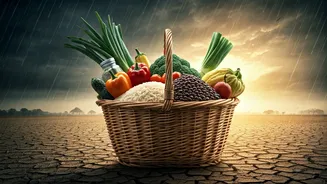
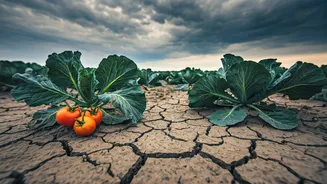
A delayed or deficient monsoon creates a direct chain reaction that ends at the checkout counter. Lower rainfall leads to reduced crop yields, creating a supply shortage. This scarcity drives up wholesale prices in the mandis, and the increased cost is inevitably passed on to consumers in urban and rural markets. Vegetables, pulses, and edible oils are often the first and most severely affected. These crops are highly dependent on timely rains, and their prices can be volatile. For example, excessive rain can damage leafy greens and other vegetables, while a lack of rain can stunt their growth, leading to supply disruptions. The result is that staples like onions, tomatoes, and dals can see sharp price increases, putting a strain on household budgets.
Which Foods Are Most at Risk?
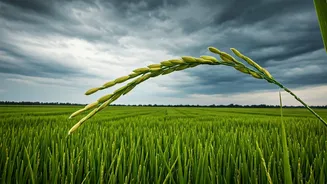
While India has comfortable buffer stocks of staple grains like rice and wheat, which provides a cushion against immediate shortages, other key food items are more vulnerable. Pulses (like arhar/toor dal) and oilseeds (like soybean) are a primary concern for economists and government officials, as these are predominantly rain-fed crops. A poor monsoon could significantly impact their production. Cotton is another major Kharif crop that has seen a sharp decline in sowing area this year due to the monsoon's slow start. Vegetables remain a perennial concern, as their supply chain is easily disrupted by both too little and too much rain, affecting availability and freshness.
The Broader Economic Ripple Effect
The impact of a weak monsoon extends beyond just food prices. It can suppress rural incomes, leading to lower demand for goods like tractors, motorcycles, and other consumer products. This slowdown in rural spending can act as a drag on the overall economy. Furthermore, rising food inflation complicates the work of the Reserve Bank of India (RBI), which has already flagged a sub-par monsoon as a key risk to its growth and inflation projections for the year. While the Indian economy is more resilient to monsoon failures than in the past—thanks to better irrigation, larger food reserves, and a more diversified economy—a significant rainfall deficit still tests the country's economic stability.